Building Physical AI ventures at e-Novia Investor Day
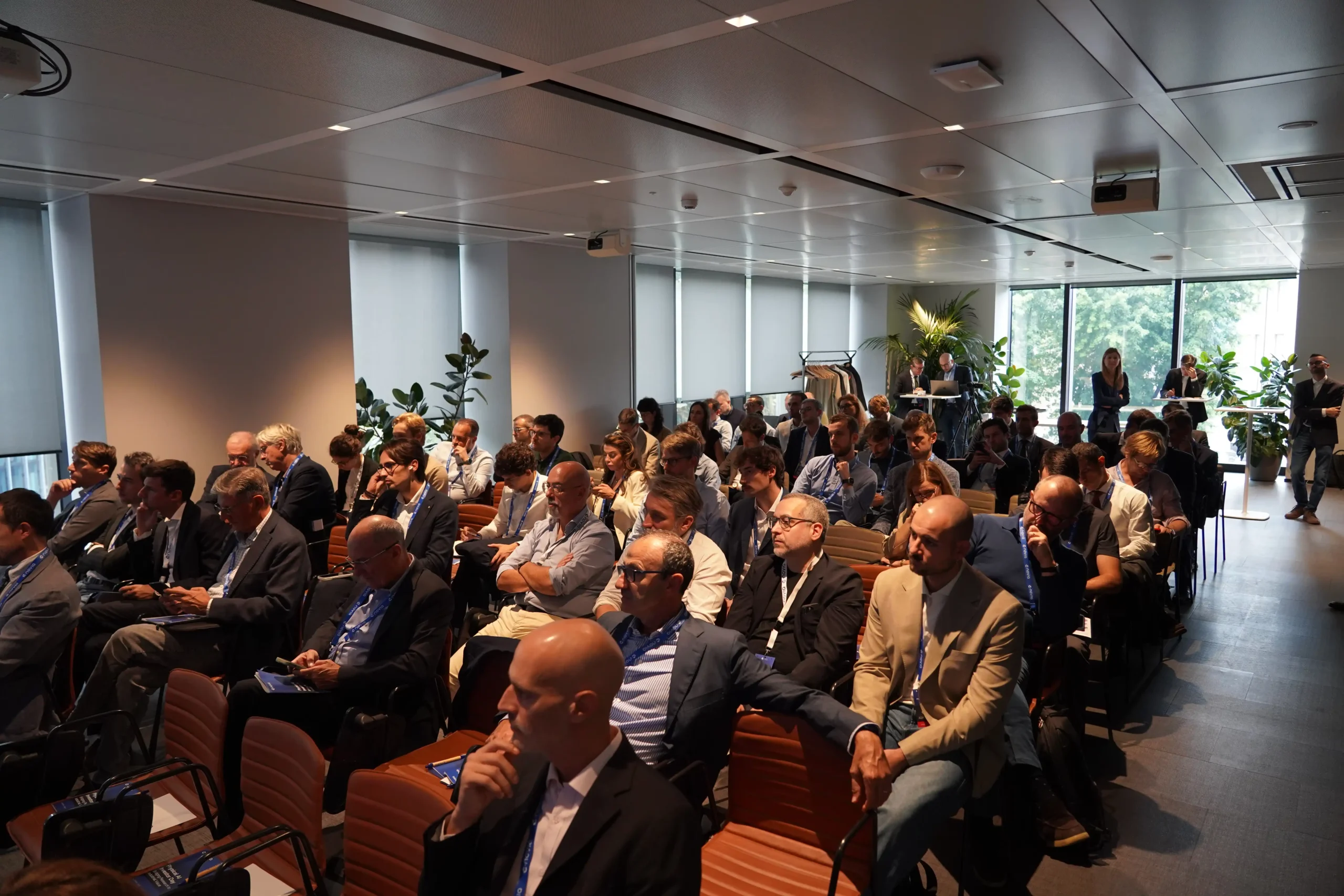
How e-Novia’s Physical AI Investor Day connected startups with investors and industry...

The move to Industry 5.0 is more than a simple machine upgrade or a software update. It is a major system shift. This new phase redefines how technology works with society and production. At the core of this change are Key Enabling Technologies (KETs). These are essential tools. They help companies move from basic automation to smart, flexible ecosystems that put human value first.
Industry 4.0 focused on connecting machines and extracting data. Industry 5.0 goes further. It uses artificial intelligence to build a shared workspace. Here, technology adapts to human needs. This shift is a strategic imperative for modern businesses. Companies must stay competitive in global markets. At the same time, they need to meet sustainability standards and attract top talent.
Mastering these innovations has deep political and economic meaning today. European strategic guidelines on innovation confirm this. It is no longer just about cutting costs. Developing, controlling, and adopting enabling technologies internally is critical. It is the core requirement to ensure technological sovereignty and business resilience against global shocks.
Recent crises and broken supply chains show a clear danger. It is highly risky to rely on outside players for critical technologies like microchips, robotics, and artificial intelligence. In this landscape, European companies must invest in enabling technologies. This is not just to modernize operations. It is to protect their internal knowledge, secure their value chains, and keep business running. Technological sovereignty means having the strong, proprietary skills needed to compete on the global stage.
Enabling technologies blur the line between the physical and digital worlds. At e-Novia, we turn these pillars into real solutions through Physical AI. We build intelligence directly into products and processes. Here are the five key pillars:
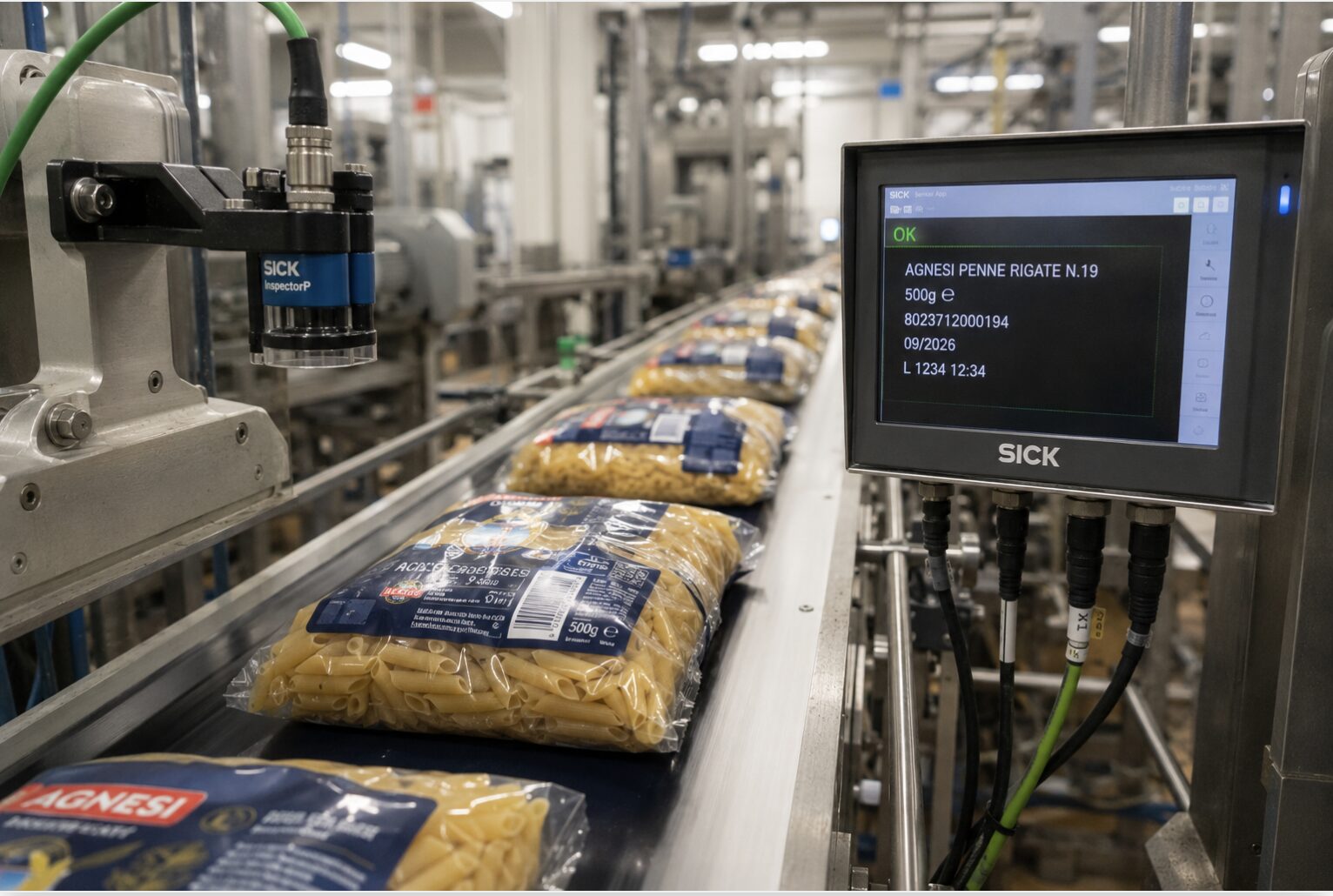
Traditional robots work alone behind safety barriers. However, collaborative robotics systems are built for safe co-existence. Using 3D vision sensors, they perceive their environment in real time. They help the human operator with heavy tasks. This turns the machine into a smart partner.
In Industry 5.0, intelligence does not just live in remote cloud servers. It is built directly into physical devices. Machine learning systems analyze data flows from sensors to find patterns we cannot see. This enables predictive maintenance. It also drives IT-OT convergence in complex systems, helping to overcome the limits of standard management software and defend profit margins.
A Digital Twin is a dynamic math model. It perfectly copies the behavior of a physical asset. This technology lets companies predict the future using virtual tests. Industrial case studies show that simulating stress on a part before making it reduces risks and speeds up time-to-market.

Often, rigid platforms or generic solutions block technological deployment. This increases time and costs and leaves data potential unused. To solve this structural problem, we built Think.Link. It is a modular IoT platform designed natively for Artificial Intelligence.
Supported by end-to-end consulting (from strategy to setup), Think.Link lets you customize, scale, and protect company data through a layered architecture:
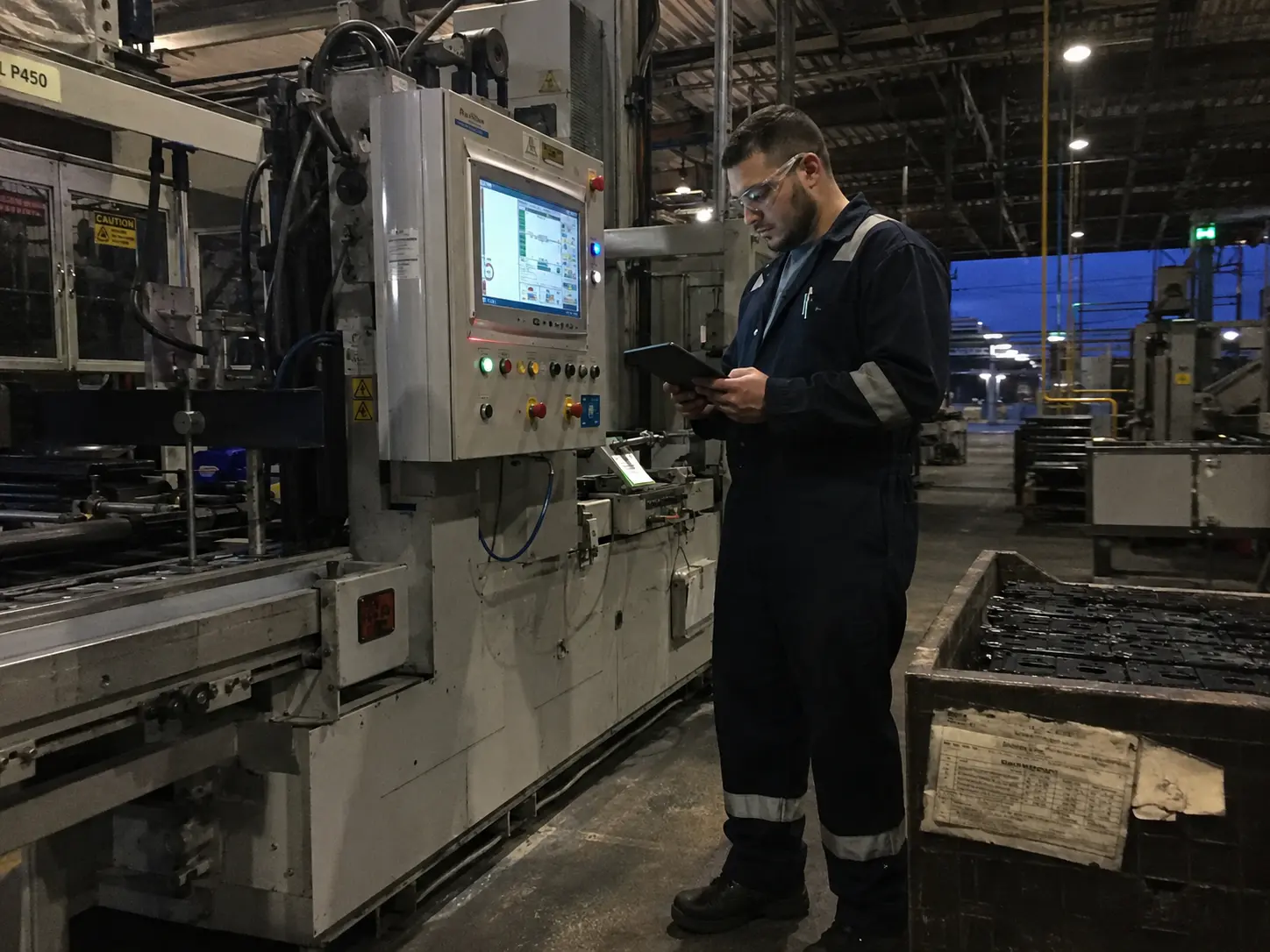
The factory of the future is a connected ecosystem. In the human-centered vision of Industry 5.0, Industrial IoT extends sensors to the operator through wearable devices. These tools monitor critical signs like posture and fatigue. They ensure top safety standards and prevent work injuries.
Enabling technologies include optimization programs that adjust energy use based on production loads and renewable sources. This allows companies to shrink their carbon footprint and adopt a circular economy. In this model, environmental efficiency becomes a clear economic advantage.
At e-Novia, we guide companies through their technological and strategic evolution. We help them find the most relevant market opportunities. We manage the entire project lifecycle: from the first design idea to large-scale production.
Acting as a bridge between academia and industry, e-Novia speeds up innovation and lowers development risks. We provide a strong network of university and industrial contacts. This builds strategic connections and gives access to top solutions and new startups.
We specialize in designing physical solutions powered by artificial intelligence with a human-centered approach. This method unlocks full human and technological potential. It opens the door to new business models and emerging markets.
When the goal is to explore new sectors or speed up disruptive technologies, our Venture Studio model steps in. We transform high-potential ideas into independent companies. These businesses have their own technologies and are ready to redefine global industrial standards.