Building Physical AI ventures at e-Novia Investor Day
How e-Novia’s Physical AI Investor Day connected startups with investors and industry...

Today, modern manufacturing enterprises rely on highly mature and sophisticated digital architectures, which are exceptionally capable of planning corporate resources with microscopic precision. Traditional IT systems, spearheaded by ERP (Enterprise Resource Planning) applications and MES (Manufacturing Execution System) platforms, govern the theoretical production flows in a centralized and highly efficient manner. They dictate schedules, allocate resources, and monitor supply chain logistics flawlessly.
However, there is a fundamental structural limit to this centralized approach. In sectors characterized by high engineering complexity, such as the Machinery and HVAC (Heating, Ventilation, and Air Conditioning) industries, true market competitiveness is defined on the physical production line, not merely on the screens of a management dashboard. For modern industrial systems to guarantee stable and predictable profit margins, it has become a strategic imperative to bridge the structural gap between high-level digital programming and operational execution on the shop floor, commonly referred to as the OT (Operational Technology) domain.
Within the confined ecosystem of management software, the production plan appears as a perfect, frictionless environment. Conversely, when stepping down onto the actual shop floor, digital data inevitably collides with the unyielding laws of physics and thermodynamics. We are talking about mechanical friction generated during high-speed machining, sudden thermal variations in the plant environment, the physiological and unavoidable wear of cutting tools, and unexpected micro-tolerances in batches of raw materials.
Faced with these purely physical and environmental variables, an IT-driven management system proves to be far too rigid. If a raw component entering the line presents a slight dimensional anomaly compared to the engineering standard, the central software lacks the required reactivity to intervene in real-time on the machinery and compensate for the ongoing defect. The software assumes the physical world perfectly matches the digital twin, which is rarely the case in complex manufacturing.
By its very design, the ERP infrastructure registers a production issue almost exclusively after the fact, usually when the defect has already manifested itself on the finished workpiece at a quality control station. This logical and temporal delay between the IT layer and the mechanical hardware generates silent but extremely heavy inefficiencies for corporate balance sheets. It triggers qualitative drifts, progressively increases production scrap rates, and necessitates expensive, unplanned rework.
Most importantly, these unmanaged dynamics directly threaten the strict adherence to delivery schedules, typically measured by severe OTIF (On Time In Full) indicators. To protect the integrity of manufacturing operations, industrial systems today require distributed intelligence, capable of acting autonomously and instantaneously at the mechanical level to correct deviations before they escalate.
True process resilience does not consist in attempting to predict and plan for every single physical contingency at a centralized cloud level—an impossible mathematical feat. On the contrary, it is achieved by equipping individual machines and entire production lines with the localized capability to read the surrounding context and adapt machining parameters literally on the fly.
on the fly.
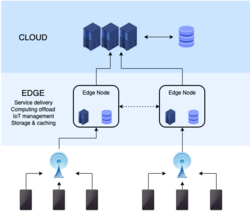
This new manufacturing paradigm is fully realized through the systematic application of Edge computing. This is a distributed computing architecture that shifts processing power and data analytics away from remote cloud servers directly to the edge of the network, meaning on board the machine itself. By processing data at the exact location where it is generated, transmission latency is virtually eliminated, allowing the machinery to make critical micro-decisions in fractions of a second.
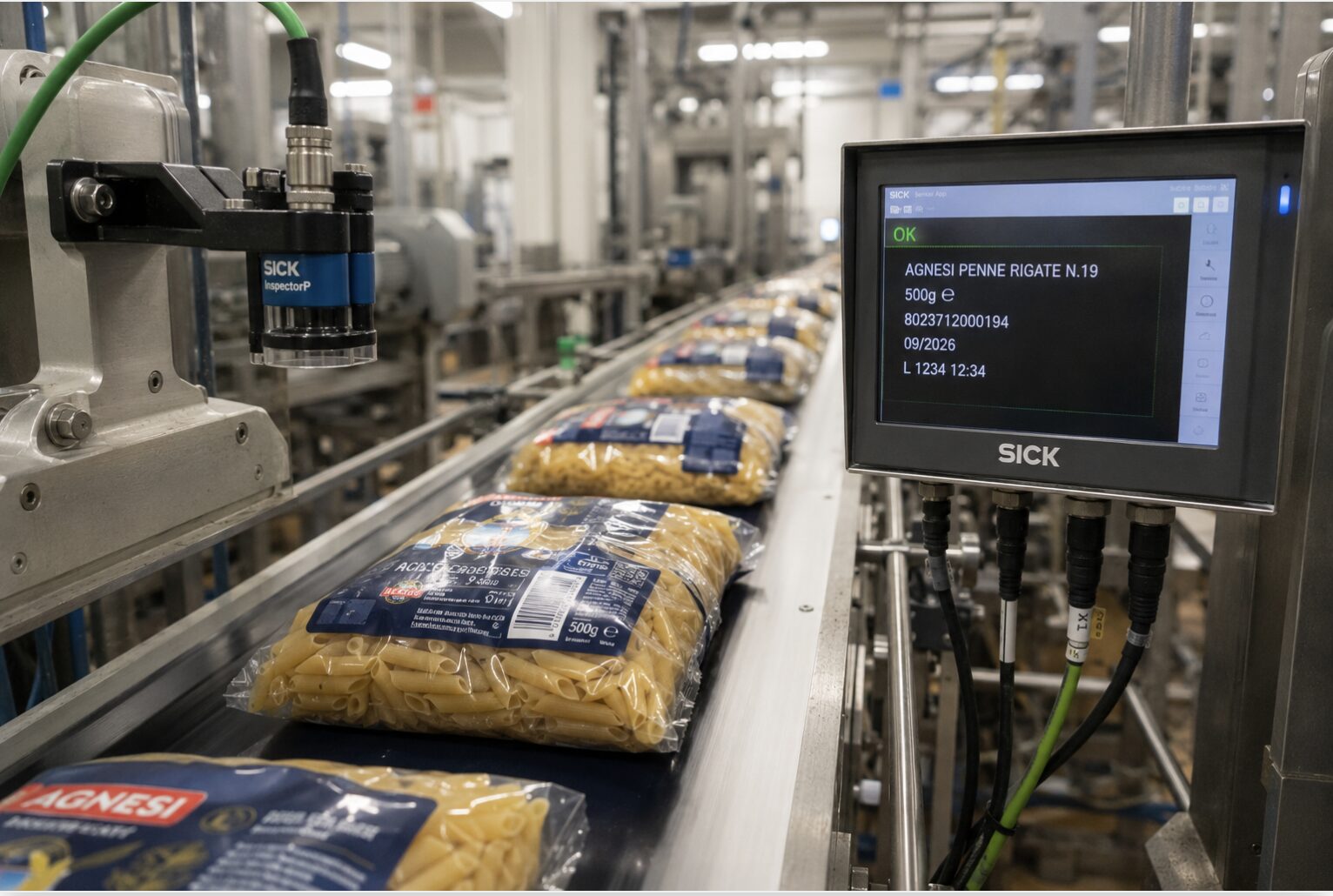
The technological core of this deep industrial evolution is represented by the synergistic integration of smart sensors and advanced industrial vision systems. Guided by sophisticated artificial intelligence algorithms, modern industrial vision systems surpass the outdated concept of passive end-of-line inspection used merely to discard defective items.
Today, these advanced technologies actively inspect raw materials upon entry and continuously monitor the machining dynamics in real-time. The visual and dimensional data collected allows the control system to micro-optimize the physical parameters of the machinery moment by moment. Consequently, the mechatronic infrastructure absorbs and neutralizes physical variability before it can transform into a costly scrap part, thereby realizing a tangible process innovation that directly protects and enhances corporate value.
In a modern factory, heavily oriented towards maximum efficiency and subject to rigid just-in-time logistics, stopping a machine or slowing down an entire production line is almost never a viable option. This is especially true when a company has a contractual obligation to honor critical shipments to demanding industrial partners.
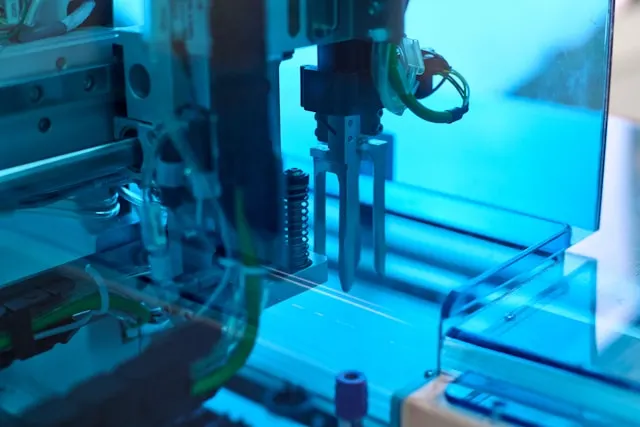
Operational stability within advanced industrial systems is not achieved by adopting a conservative approach or slowing down throughput to increase manual quality checks. Instead, it is reached by compensating for physiological physical drifts in a completely transparent manner, without ever altering or compromising the rigorous cycle time established during the product and process engineering phase.
L’obiettivo dell’intelligenza a bordo macchina non è bypassare o sostituire le direttive del software MES, ma metterle in pratica alla perfezione. Si crea un anello di retroazione locale ad altissima velocità.
Questo circuito di informazioni permette all’hardware di eseguire il mandato gestionale con precisione assoluta, adattandosi in tempo reale all’usura dell’utensile o alle condizioni ambientali del momento, salvaguardando sia la qualità che la velocità.
A fundamental methodological aspect to consider is that the introduction of predictive algorithms and complex models within the manufacturing sector must never translate into uncontrolled automation. Intelligence implemented in complex industrial systems must constantly operate within so-called “sensitive edges”.
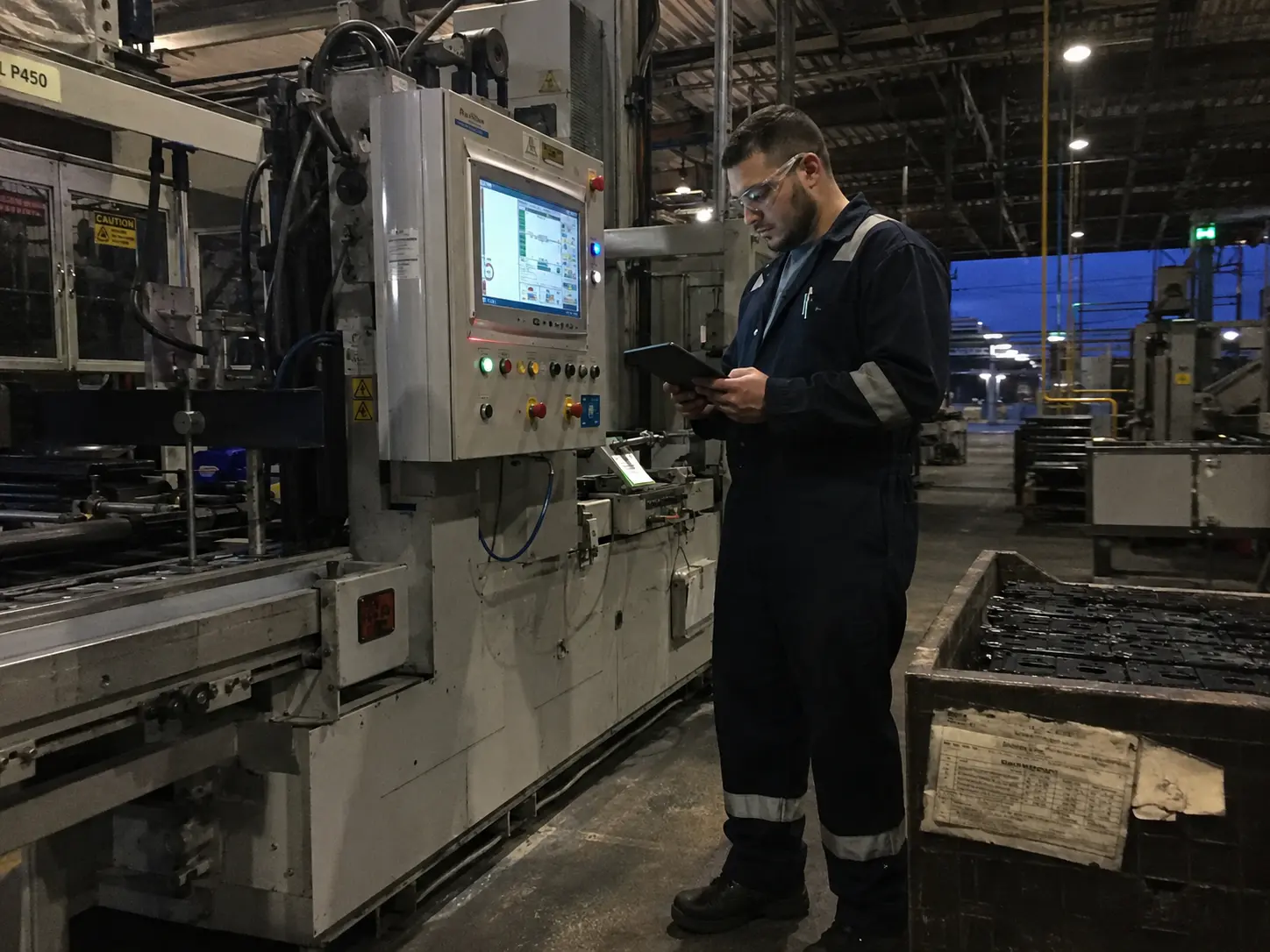
These edges are extremely rigorous and impenetrable control limits, defined scientifically upstream by process engineering. Intelligent technology, viewed from this industrial perspective, does not replace the specialized technician or human oversight. It acts as an advanced co-pilot: relieving the operator from repetitive manual micro-adjustments and providing them with the predictive informational framework essential for making high-value strategic decisions.
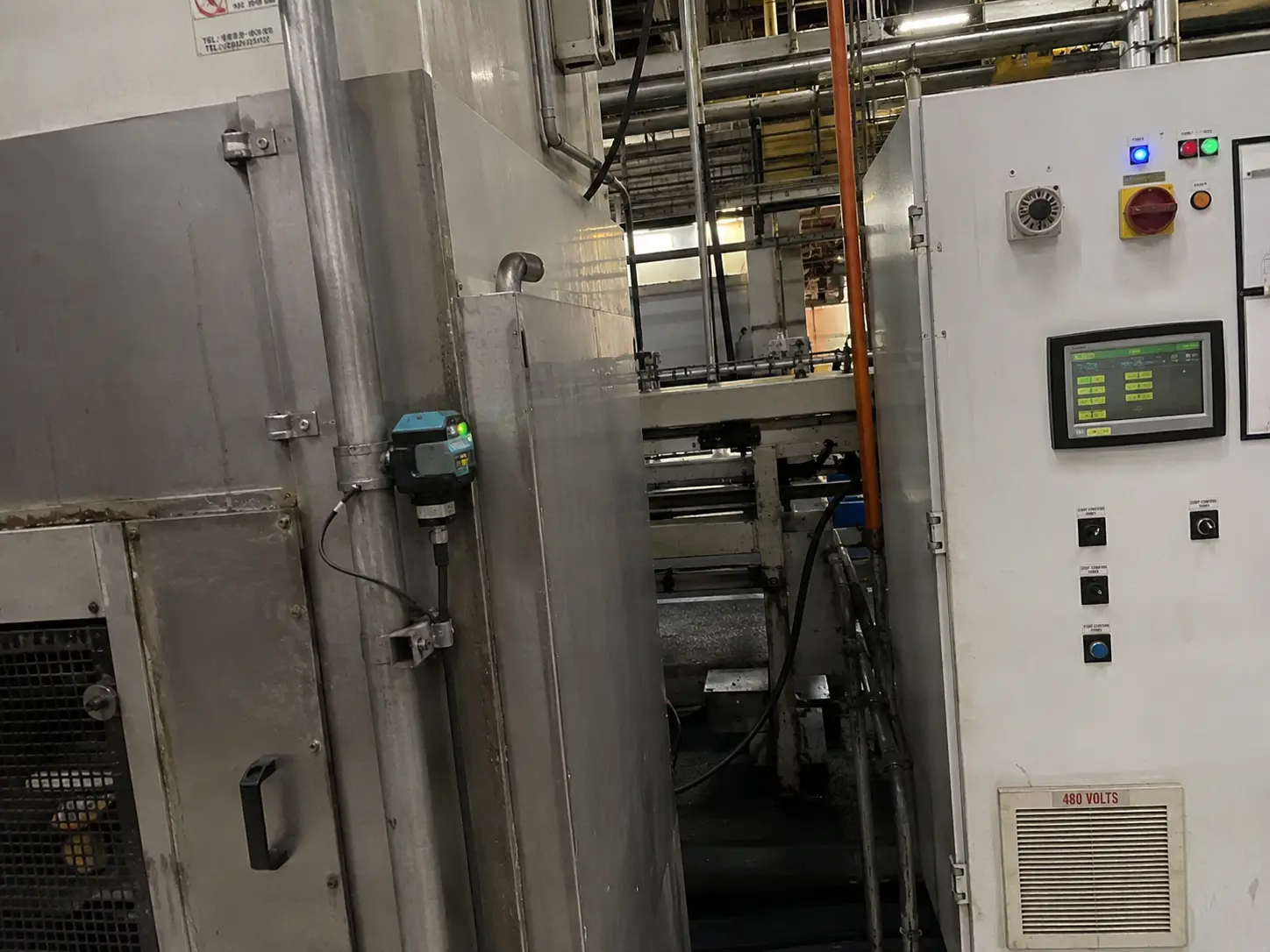
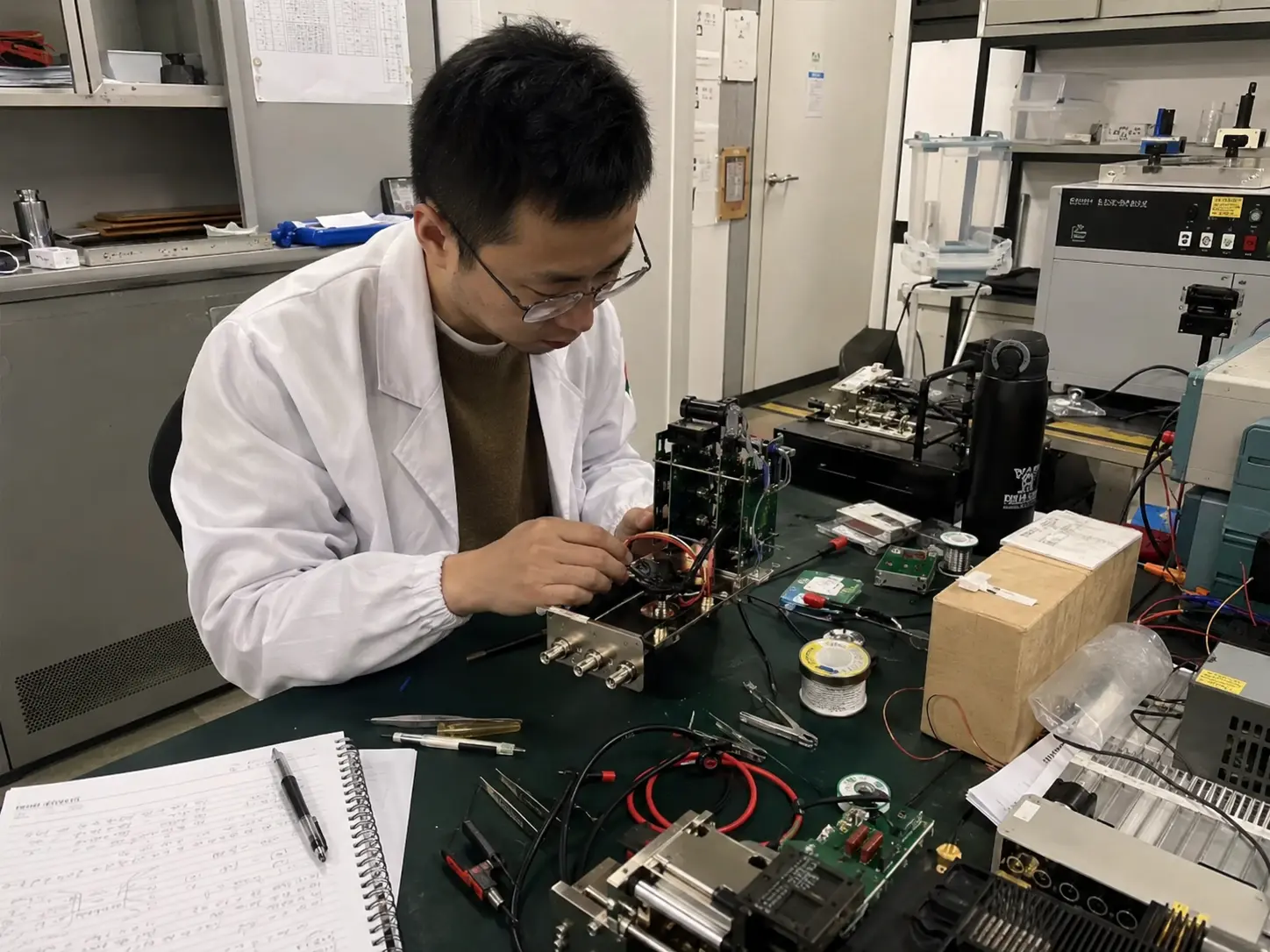
At e-Novia, we operate exactly on this delicate yet crucial technological border between digital information and physical matter. Through our highly specialized innovation consulting services, we integrate existing IT infrastructures by bringing physical models, predictive algorithms, and data architectures directly to the shop floor.
We translate the profound complexity of data science into physical assets and tangible mechatronic solutions capable of permanently stabilizing operational quality. This systemic approach allows manufacturing companies to fiercely defend their production margins, transforming physical variability from an inevitable risk into a fully governable, measurable, and continuously optimizable process parameter.