Building Physical AI ventures at e-Novia Investor Day
How e-Novia’s Physical AI Investor Day connected startups with investors and industry...

In today’s manufacturing landscape, the convergence of advanced software architectures and hardware systems is rewriting the rules of efficiency. Traditionally, industrial automation relied on mechanical, hydraulic and pneumatic systems to replace dangerous or repetitive manual labor, ensuring steady production rates. Today, however, simply repeating tasks is not enough: true efficiency requires systems that can independently handle the unexpected and optimize operations in real time.
This performance gap is closed by deeply integrating Artificial Intelligence with industrial automation. This systemic approach transforms production sites into environments capable of reacting to environmental and process changes, forming the foundational architecture of modern manufacturing.
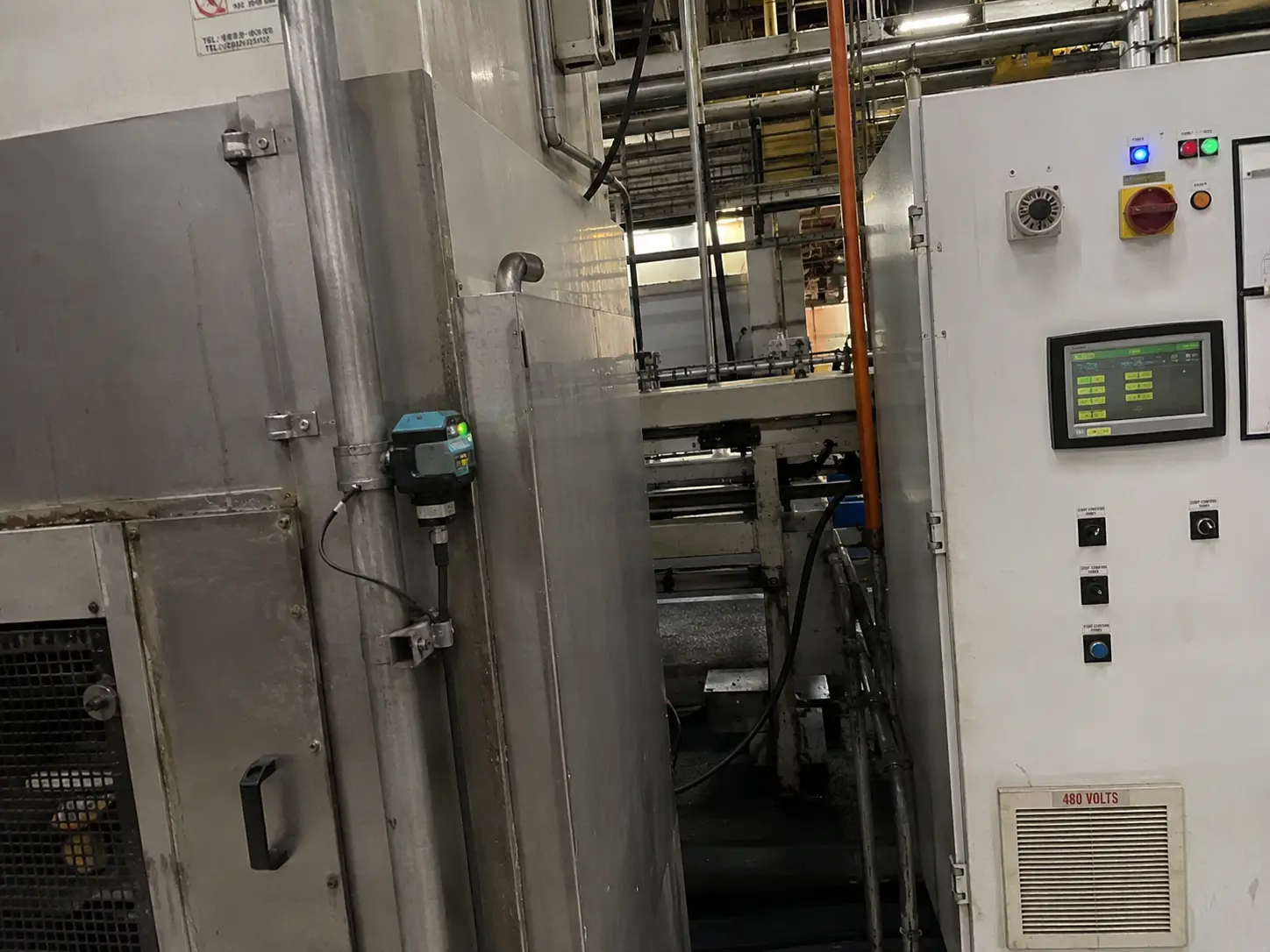
Traditional automation systems, such as standard PLCs or basic industrial robotic arms, are highly precise at executing pre-programmed sequences. However, their rigidity becomes a problem when deviations occur. Even tiny changes in material tolerances or unexpected temperature shifts can cause process drift, leading to bottlenecks or unplanned downtime.
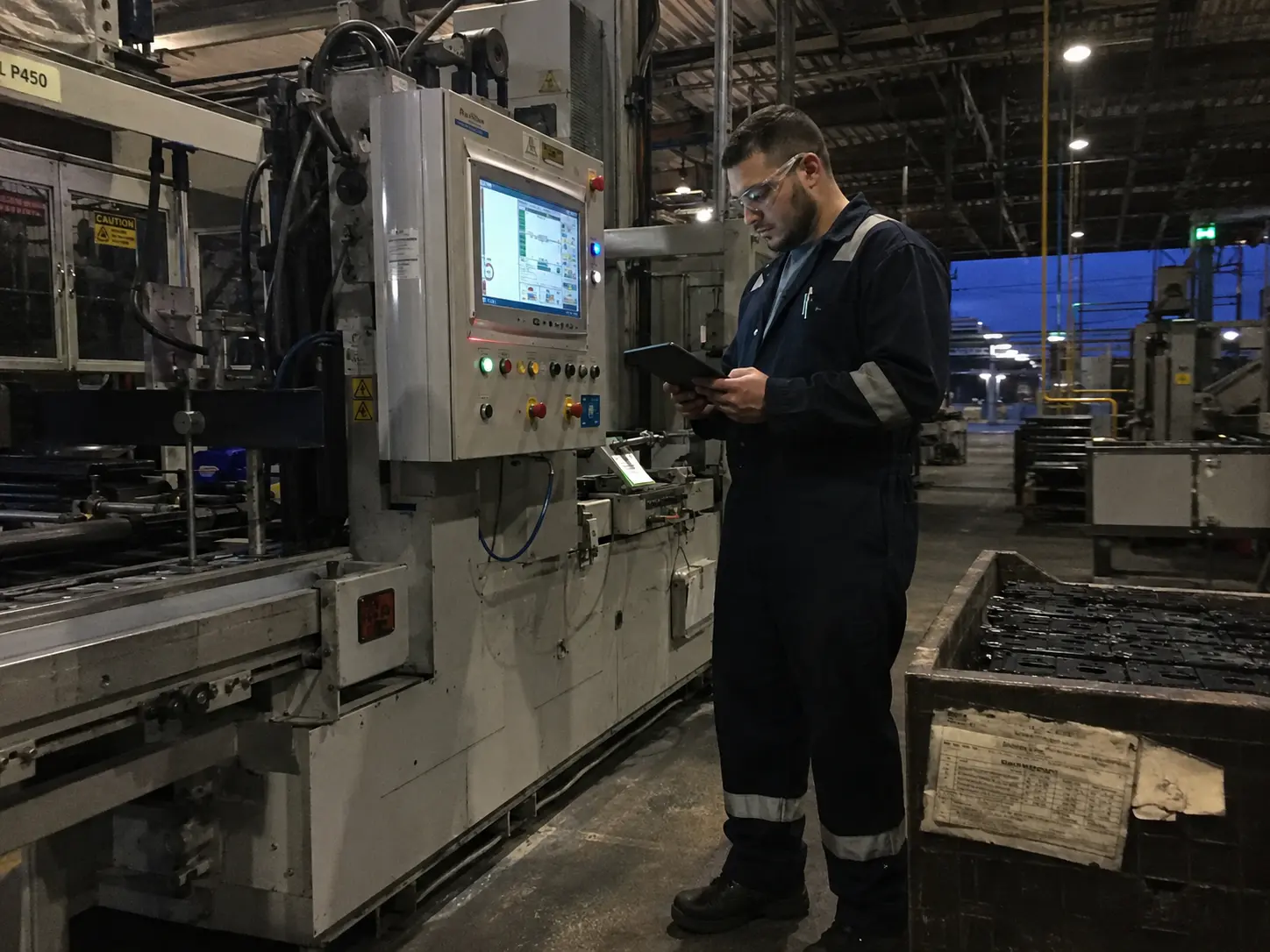
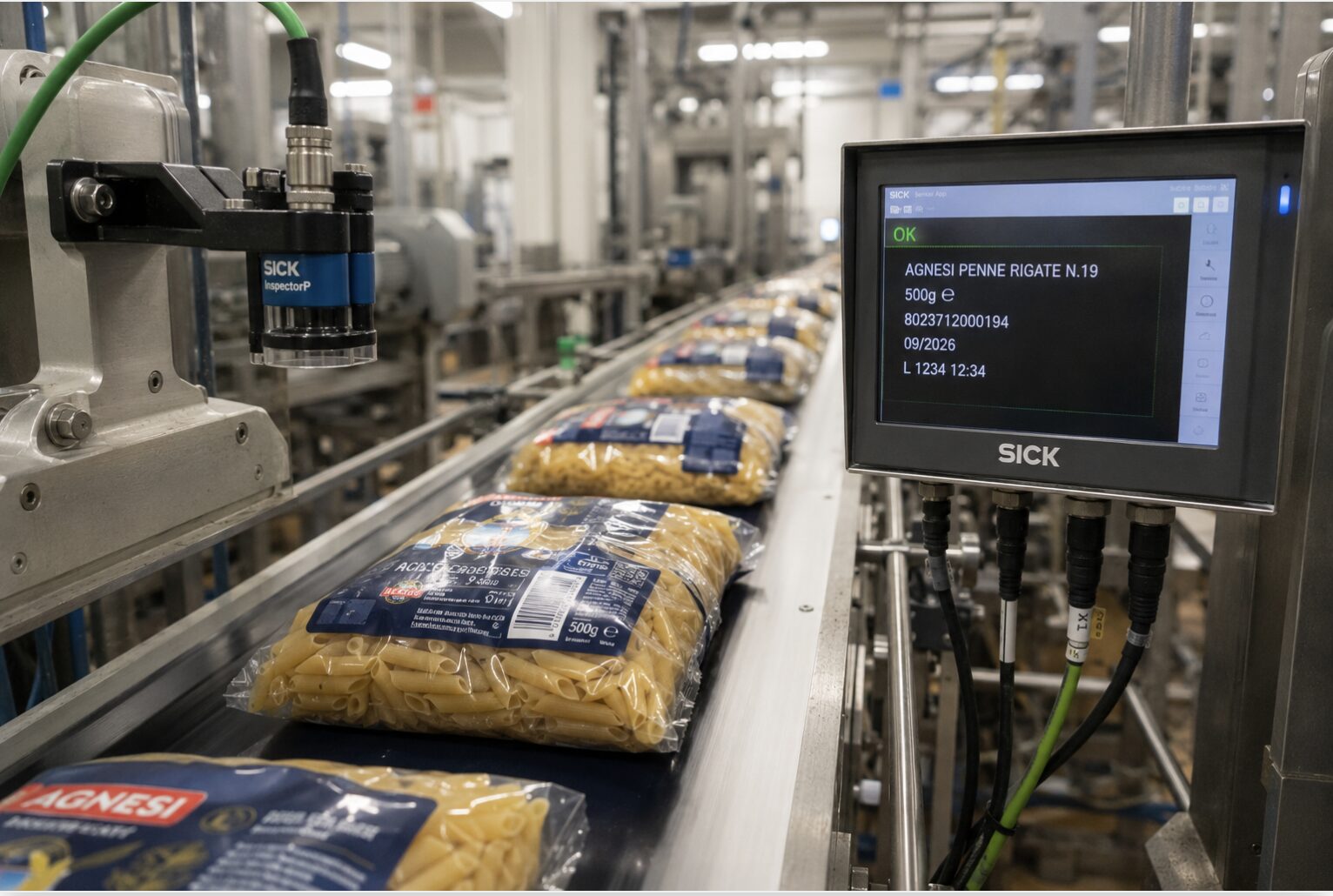
As many AI applications in manufacturing demonstrate, adopting Machine Learning and Computer Vision allows factories to process the data (telemetry) generated by distributed sensors. Moving to a data-driven operating model enables the dynamic adjustment of parameters. This minimizes waste and ensures continuous operations with less human intervention.
The integration of Artificial Intelligence is not limited to controlling the physical movements of machines. It is equally effective for governing the vast amount of information that regulates industrial processes. Standard Operating Procedures (SOPs), maintenance manuals, and troubleshooting guides are often buried in complex systems or rely heavily on the experience of key personnel, causing operational delays.
At e-Novia, we tackled this challenge by leading a project for a major industrial group specializing in precision mechanical components. The goal was clear: optimize access to company procedures to reduce the time it takes staff to retrieve critical information.
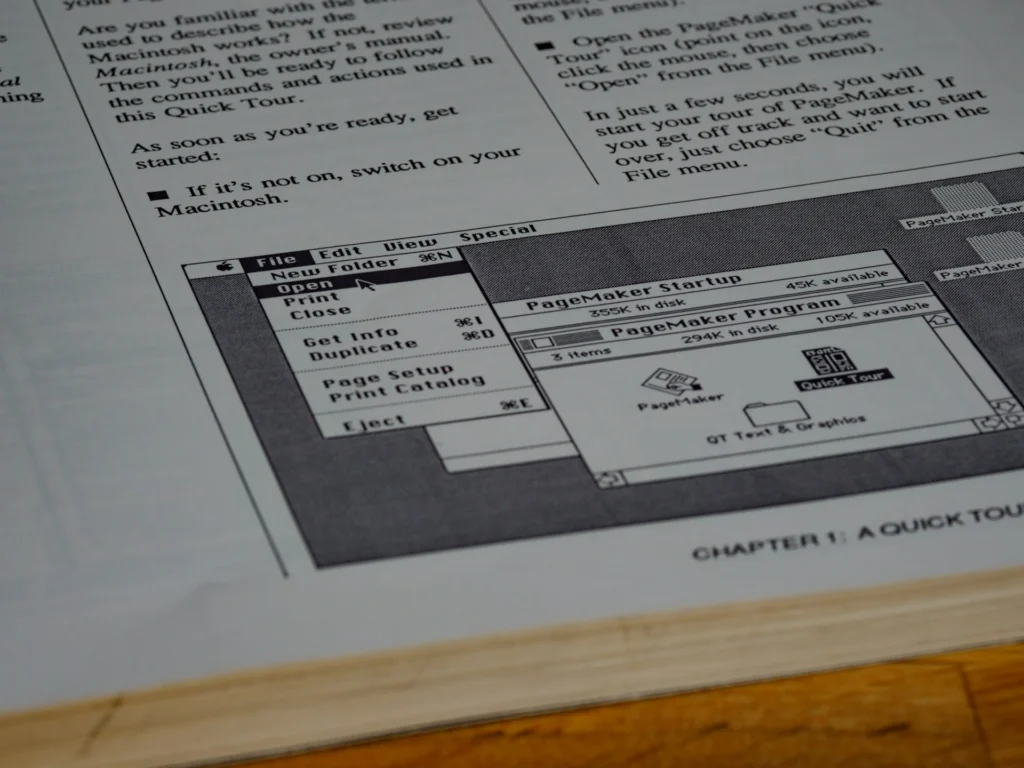
The solution we developed is an Intelligent Process Knowledge Management System. Using Large Language Models (LLMs) and Retrieval-Augmented Generation (RAG) techniques, we created a system capable of indexing the entire technical document archive. Now, operators no longer need to flip through manuals. They can ask the system questions in natural language and receive precise answers extracted directly from the company’s verified knowledge base.
Adopting Artificial Intelligence translates into measurable optimizations directly on the production floor:
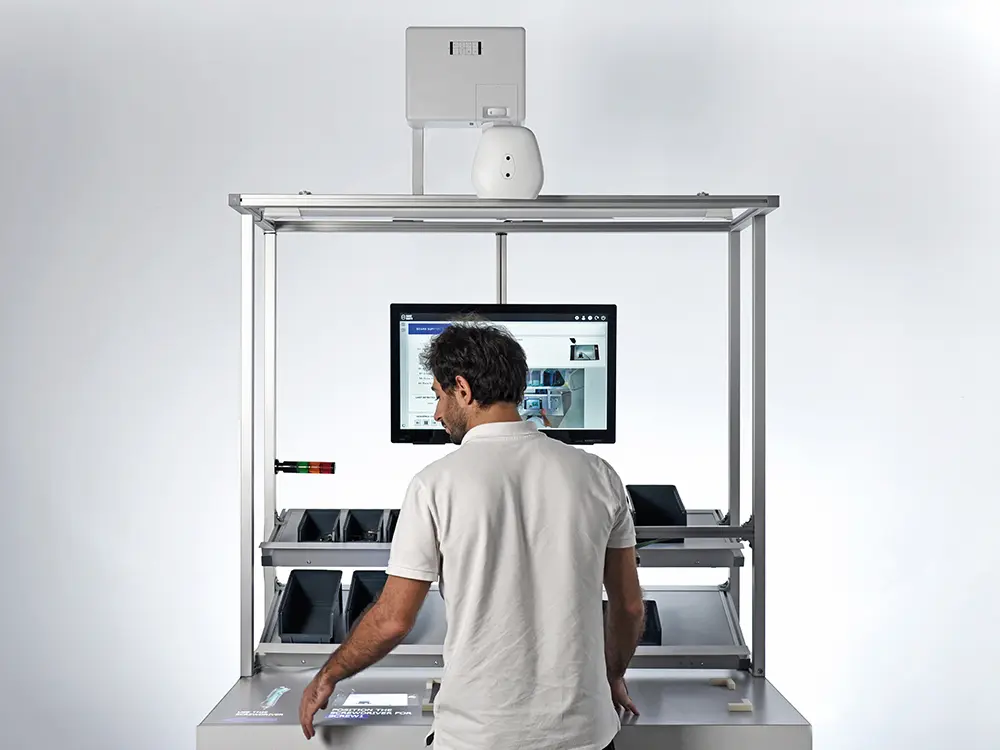
The evolution towards smart manufacturing models presents significant engineering complexities. This technological convergence requires solving challenges related to data interoperability, cyber resilience, and the integration of older legacy systems with new algorithmic layers. Before raw data can be processed, it often needs complex cleaning and time-alignment.
For this reason, truly integrating AI into business processes requires the development of a Physical AI architecture. This is a layer of distributed intelligence that processes data directly near the source (Edge Computing). This guarantees the zero-latency response required for high-performance mechatronic control.
The resulting paradigm is a system where the algorithm handles multivariable data processing, while the human operator is responsible for process supervision and strategic validation, ensuring resilient production.
Redefining production efficiency requires a technological upgrade. Some organizations face this transformation internally, investing heavily in Research and Development to build dedicated teams. Many other companies – to save time, avoid high technological risks, or overcome structural limits – opt for strategic partnerships. Relying on structured process innovation paths guided by specialized experts helps mitigate integration complexities. This ensures a fast and solid transition from existing architectures to smart, scalable manufacturing ecosystems.