Urban Mobility Data: Why the Right Data Matters More Than the Volume
At Milan’s MOBIDAYS, Blimp shares how data helps identify where to act on urban...

Food packaging is at the centre of an unprecedented regulatory shift across Europe. For decades, the industry built its packaging lines around conventional plastic, a material that is affordable, versatile, and perfectly compatible with installed machinery. That model is no longer viable, neither environmentally nor from a regulatory standpoint.
The EU Packaging and Packaging Waste Regulation, known as PPWR (Regulation EU 2025/40), was published in the Official Journal in January 2025 and entered into force on 11 February of the same year, with general application from 12 August 2026. The binding target is that by 2030, all packaging placed on the European market must be designed for effective recycling. For plastics, the regulation also sets minimum recycled content thresholds.
Annex V of the regulation bans a series of single-use plastic formats from 2030, including collation shrink wrap for shelf grouping, single-dose sachets for condiments and sauces in the HORECA sector, and single-use packaging for fresh fruit and vegetables under 1.5 kg. It does not affect primary packaging film, but it redefines the perimeter of permitted materials across the entire supply chain.
The impact cuts across the entire food sector and goes beyond material selection, because the real bottleneck sits downstream, on the production line.
The market already offers alternatives to conventional plastic films. Recyclable PP mono-materials, paper-based films, compostable laminates. Material suppliers are pushing their customers towards these solutions, and many food producers have already begun testing them.
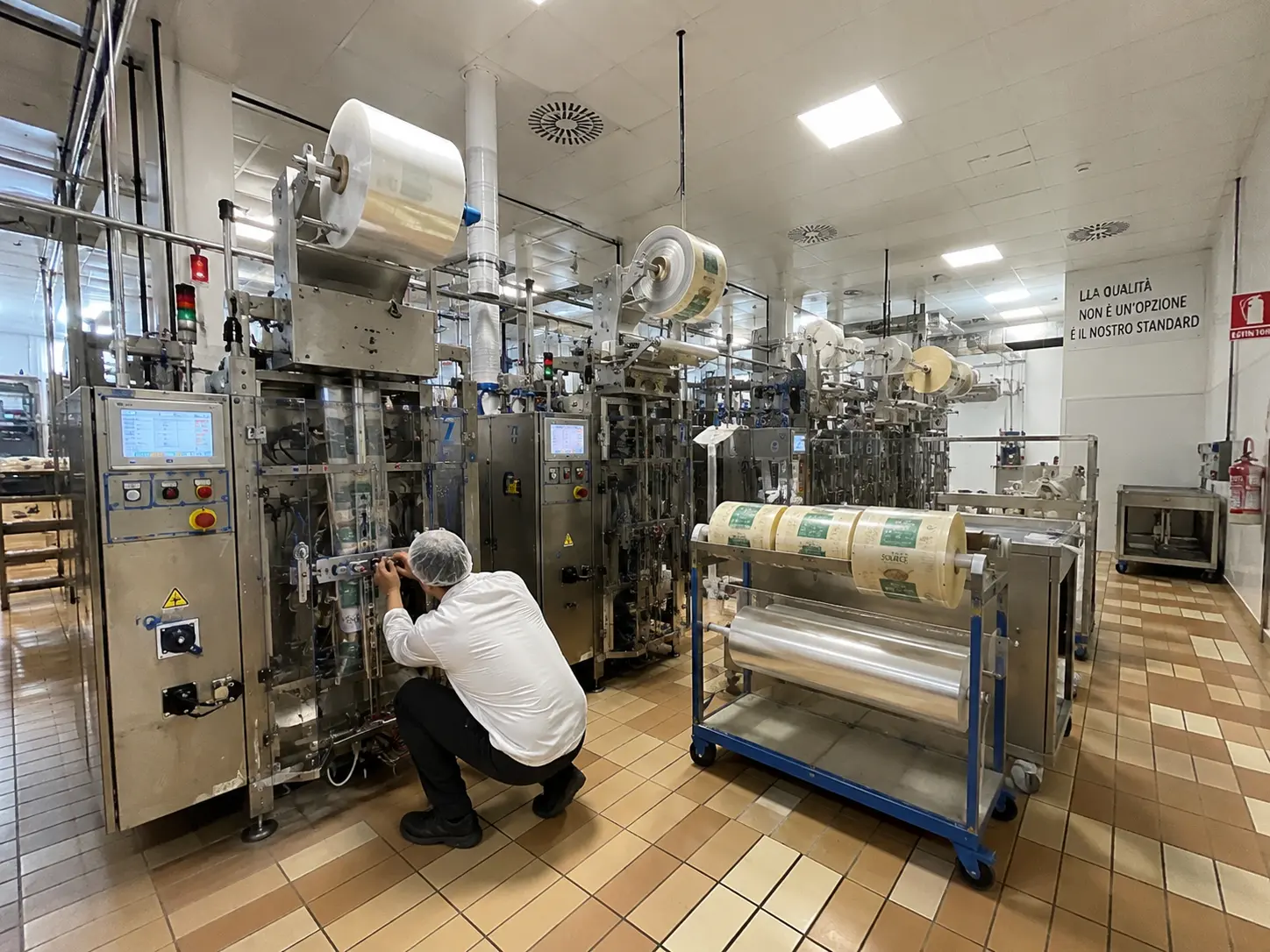
The problem emerges the moment the new material is loaded onto the machine. Sustainable films behave differently from traditional plastic. Sealing windows narrow, because the combination of temperature, pressure, and dwell time that worked on the old film may burn or fail to seal the new one. The coefficient of friction on guide surfaces changes, affecting unwinding and tracking. Material stiffness influences package formation. And these effects compound, making every material changeover a tuning process that demands time, expertise, and line stoppages.
According to a McKinsey study on sustainable packaging, among the six main barriers to the transition are the performance of new materials and the need for machinery investments or process adaptations, resources that are not always available. The problem isn’t willingness to change, but the distance between the regulation and what installed lines can actually handle.
Italy is Europe’s second-largest producer of packaging machinery. According to UCIMA (Italian Automatic Packaging Machinery Manufacturers’ Association), sector turnover reached €10.2 billion in 2025. But the Italian food industry is largely made up of small and medium-sized enterprises, for which purchasing a new packaging line is an investment in the order of hundreds of thousands of euros. Multiplied across the lines in a facility, it often becomes out of reach.
Italy has also submitted, in April 2026, a draft bill to allow certified compostable materials as substitutes for the single-use plastic formats banned by the PPWR, specifically for fresh fruit and vegetables under 1.5 kg and the HORECA sector. If approved, this derogation would expand the variety of materials that machines will need to handle, making the need for adaptive equipment even more pressing.
The result is that thousands of producers find themselves in the same situation. They know they must change materials, but their installed machines were not designed to do so.
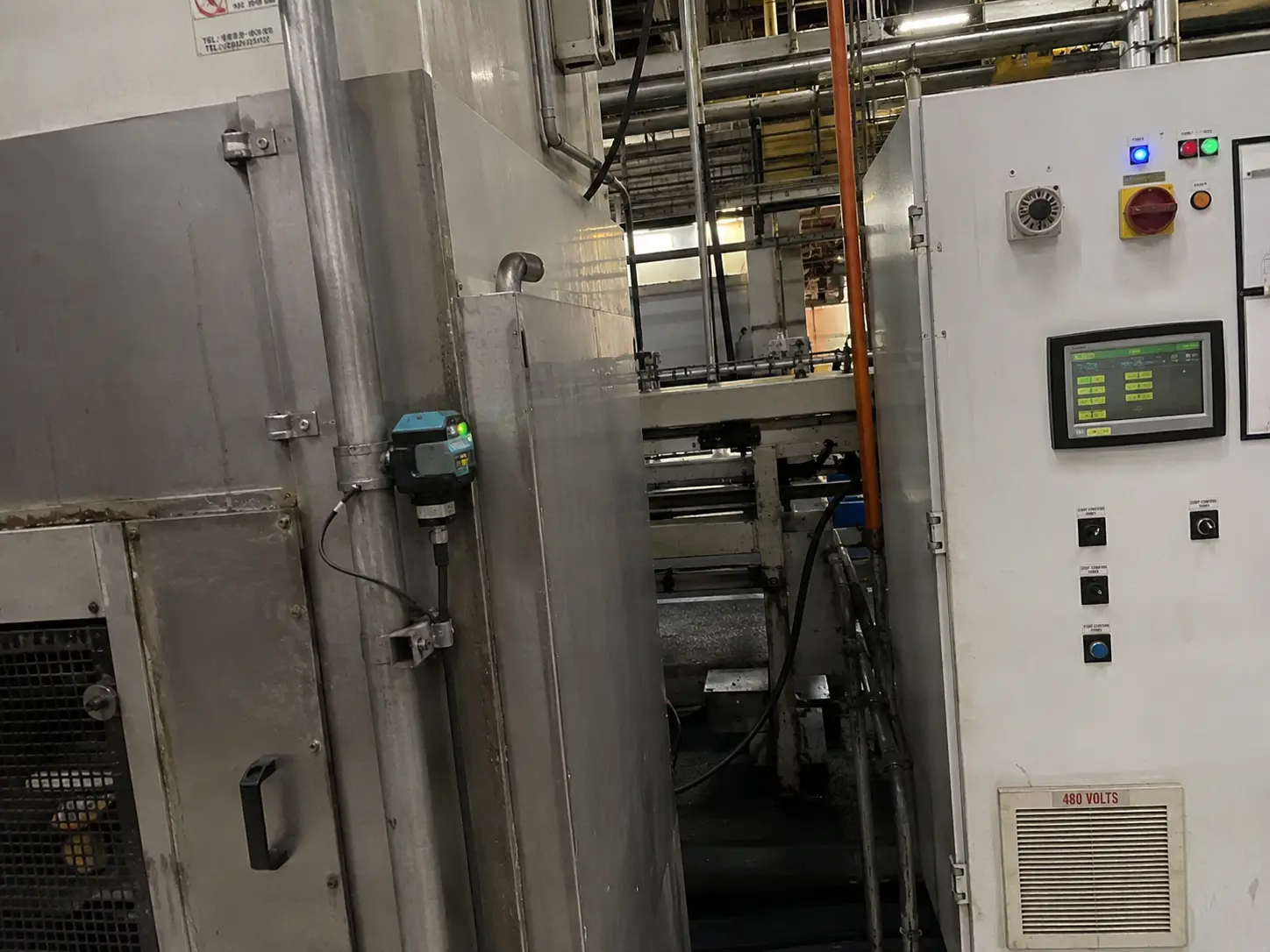
For companies with functioning, fully depreciated equipment, the most realistic path is not replacement but retrofit. The idea is to add a layer of sensing and intelligence to existing machines, enabling them to adapt to the behaviour of new materials rather than operating with fixed parameters calibrated for a single film type.
Depending on the machine’s architecture, an intervention of this kind can yield different results. On more recent equipment, with controllable actuators and open architectures, it is possible to achieve adaptive control of process parameters. On older machines, a retrofit can still introduce assisted recipes, continuous monitoring of critical parameters, and operator support systems during material changeovers.
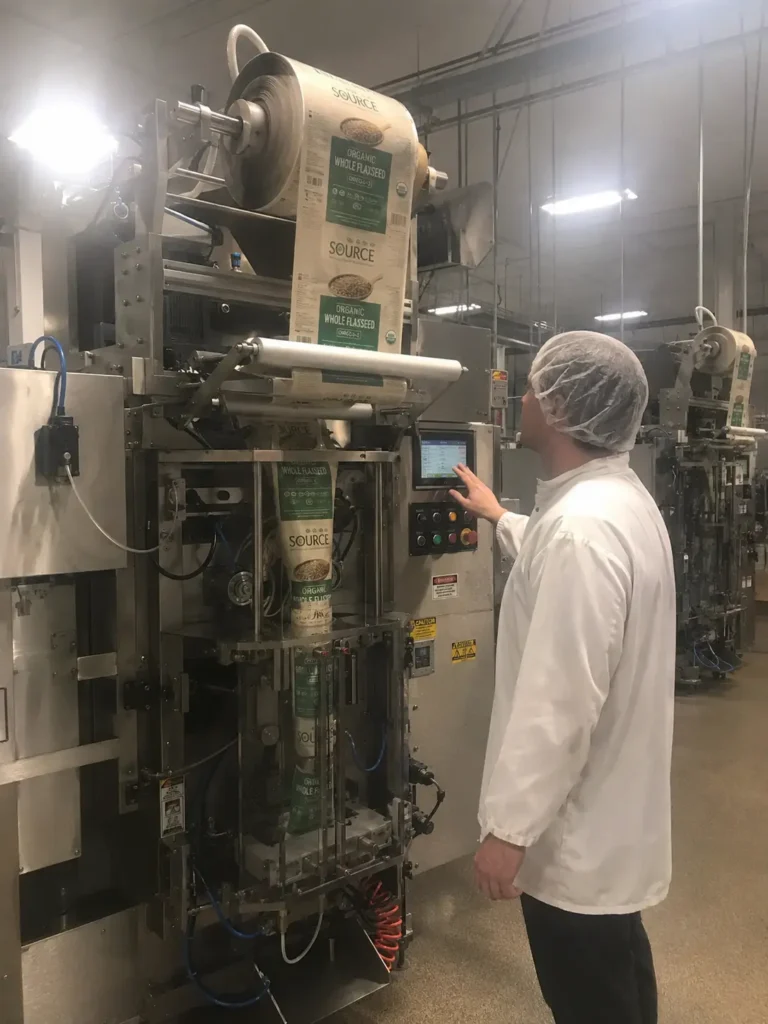
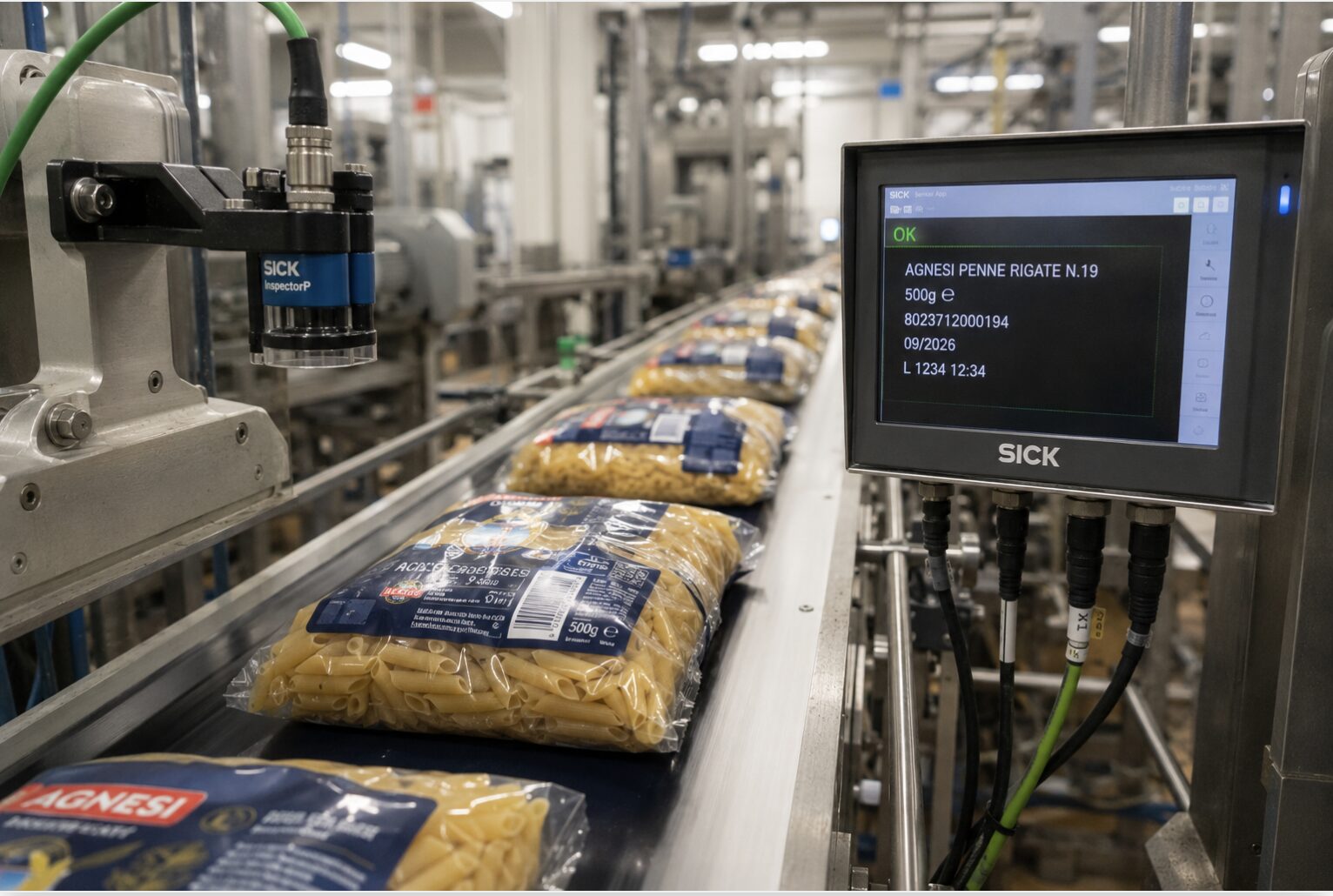
In both cases, the principle is the same. Sensors are placed where information is needed (film tension, sealing temperature, package quality at outfeed), data is processed locally, and the operator or the machine receives guidance on how to adjust the process. This is what in industrial contexts is called Physical AI, the integration of artificial intelligence, sensing, and actuation directly into the physical process.
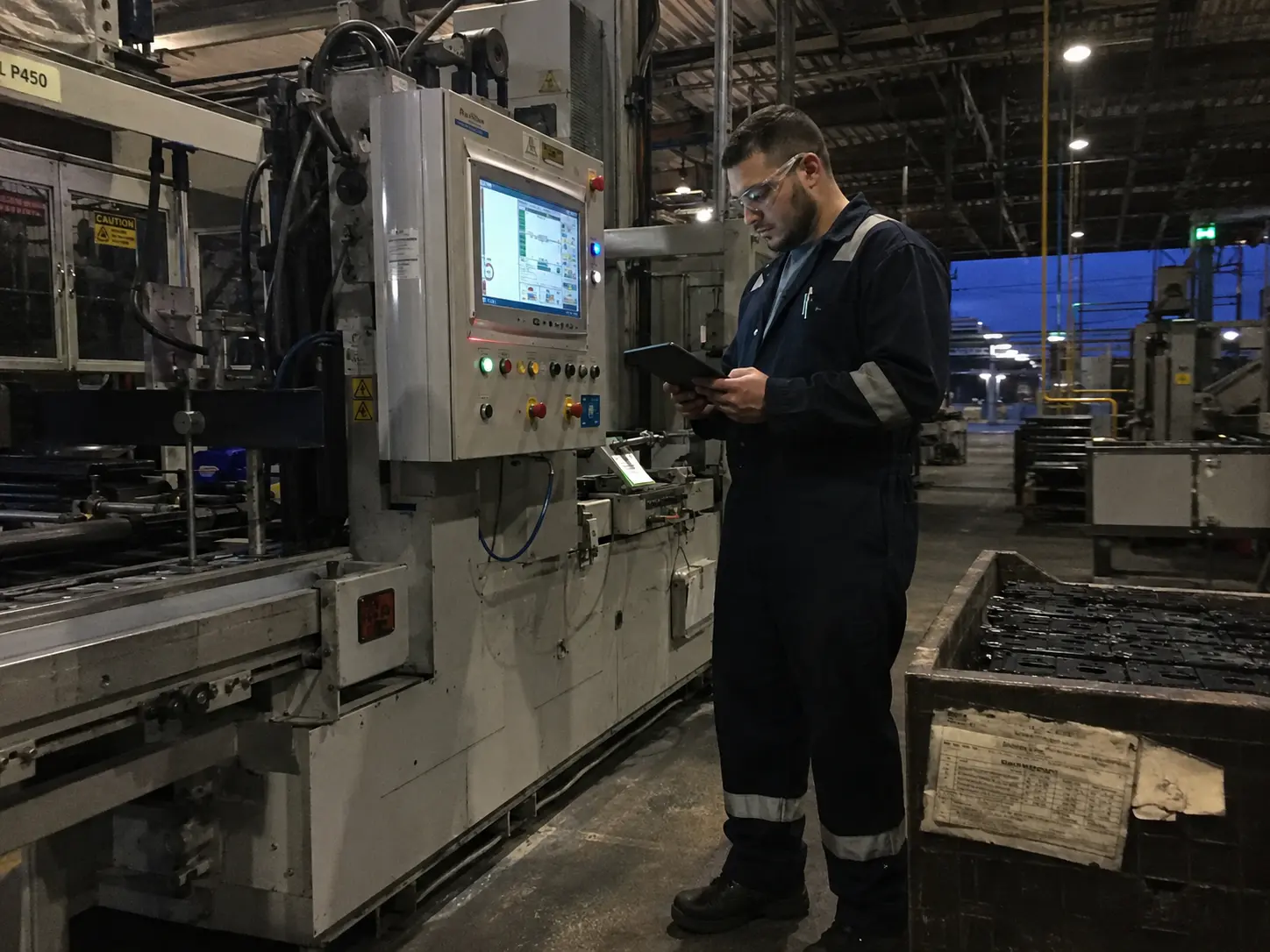
It is not a trivial intervention. It requires industrial automation expertise to interface with existing controllers, compliance with food safety requirements for every component added near the product, and planning that minimises line downtime. These are manageable complexities, but they presuppose a partner with experience in both sensor and automation engineering and the operational reality of food production facilities.
The 2030 PPWR deadline is not a distant target. Material suppliers are already pushing customers towards recyclable and compostable solutions. Retail chains are demanding sustainability roadmaps from their suppliers. And every month without adaptation is a month less to validate new materials, train operators, and stabilise processes.
For Italian food manufacturers, the smart retrofit represents the most realistic path to navigate this transition. It leverages existing machinery investments, introduces adaptability, and builds the foundation for further automation and traceability across the entire line.
It is work that demands precise engineering expertise and knowledge of the operational context. And it is exactly the kind of challenge where Physical AI delivers concrete industrial value.