Urban Mobility Data: Why the Right Data Matters More Than the Volume
At Milan’s MOBIDAYS, Blimp shares how data helps identify where to act on urban...

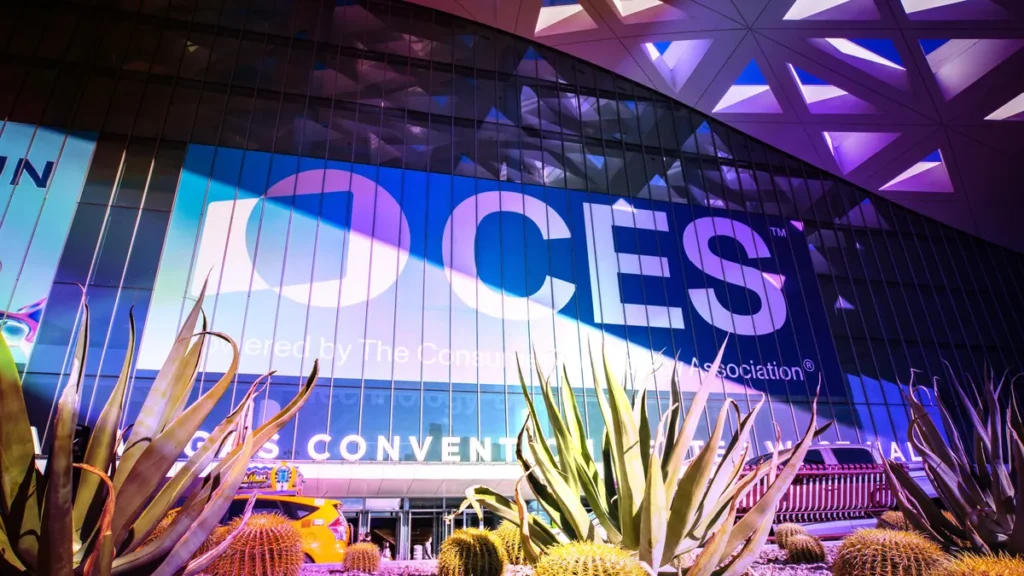
At CES 2026, one message stood out clearly beyond product launches and technology demos:
artificial intelligence is becoming physical.
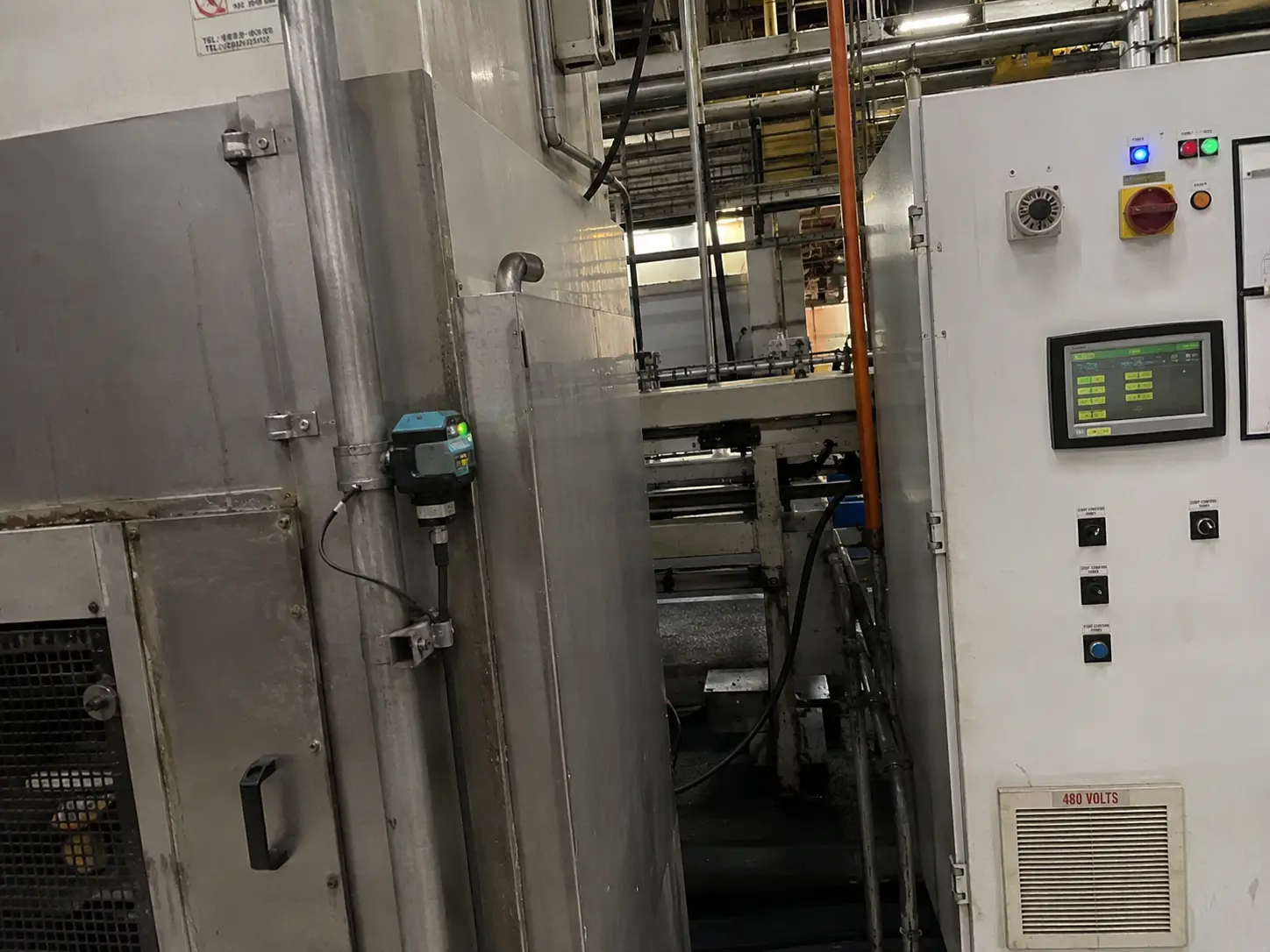
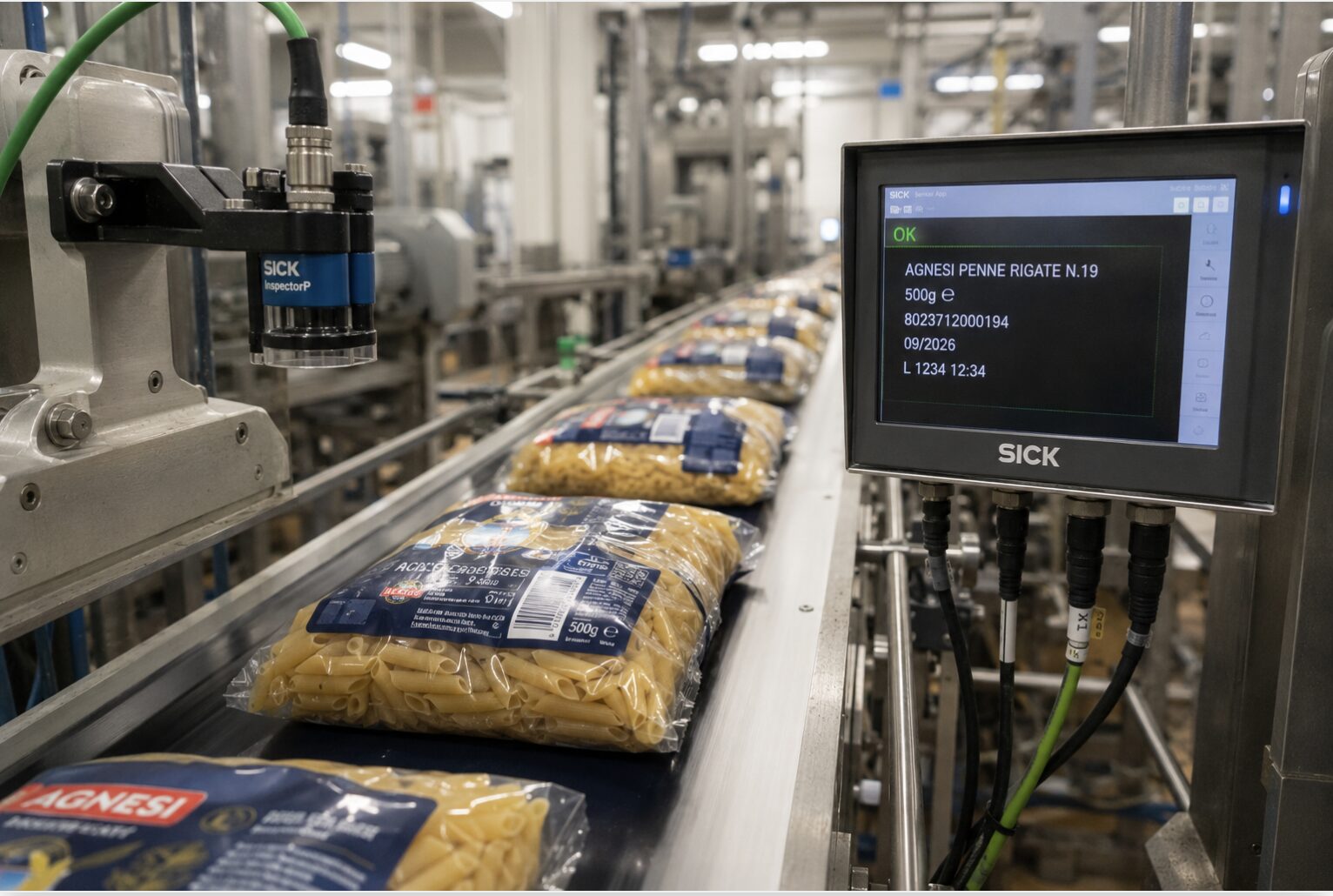
AI is no longer confined to software layers, dashboards, or cloud-based analytics. It is entering machines, production systems, logistics flows, and industrial environments. Intelligence is no longer something we use occasionally—it is something that operates continuously in the real world.
For industry, this marks a fundamental shift. While generative AI has transformed how knowledge and content are produced, Physical AI is transforming how value is created.
Robots working alongside people, adaptive industrial machinery, autonomous systems, and intelligent production lines are not isolated experiments. They are early signals of a new industrial paradigm.
For years, artificial intelligence has been adopted primarily as a support tool:
CES 2026 made it clear that this phase is ending.
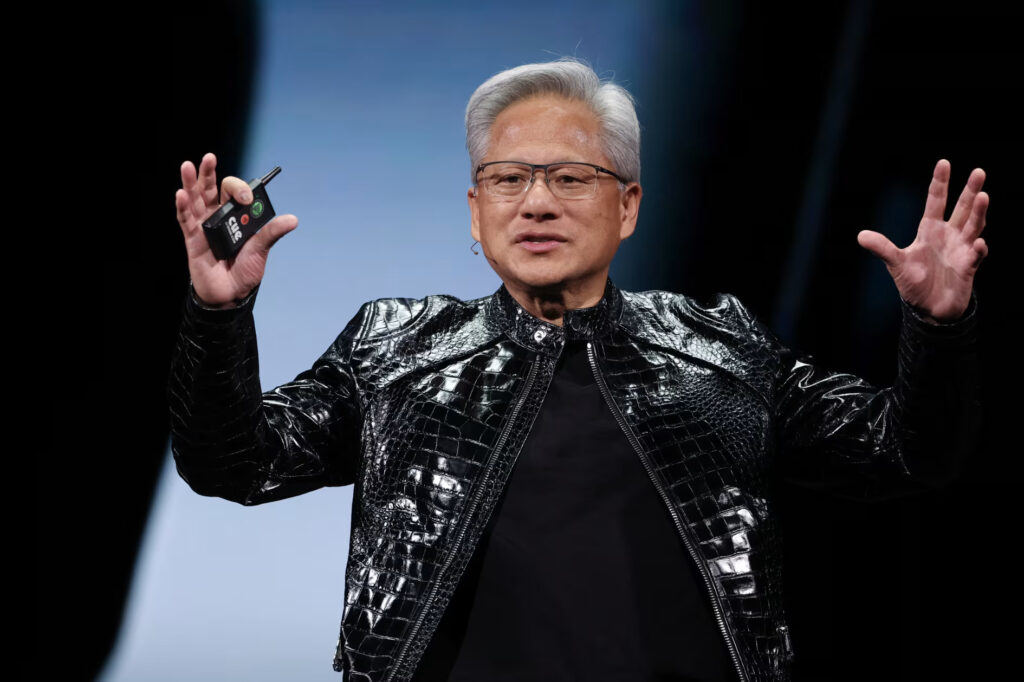
As emphasized by Jensen Huang, Co-founder and President of NVIDIA, AI is evolving from copilot to always-on system—embedded directly into devices, machines, and environments. These systems do not simply respond to inputs; they perceive, reason, and act autonomously, coordinating physical and digital components in real time.
For industrial organizations, the implication is clear: AI is no longer an application layer. It is becoming a structural element of products and processes.
Physical AI refers to intelligent systems designed to operate in the physical world, where software-only assumptions no longer apply. Gravity, friction, uncertainty, safety, and continuous operation are not edge cases—they are core constraints.
In this context, intelligence does not reside solely in the model. It emerges from the interaction between multiple layers, including:
This integrated stack is what differentiates Physical AI for industry from traditional “AI-enabled” solutions.
Industrial environments are the most demanding—and the most revealing—context for artificial intelligence.
Unlike purely digital domains, industrial systems require AI to be:
This is why Physical AI cannot be improvised.
Training a model is not enough. End-to-end intelligent systems must be engineered.
The signals observed at CES 2026 reinforce this direction:
These trends speak directly to manufacturing, logistics, energy, mobility, and infrastructure.
Industry 5.0 places people, sustainability, and system resilience at the center of industrial transformation.
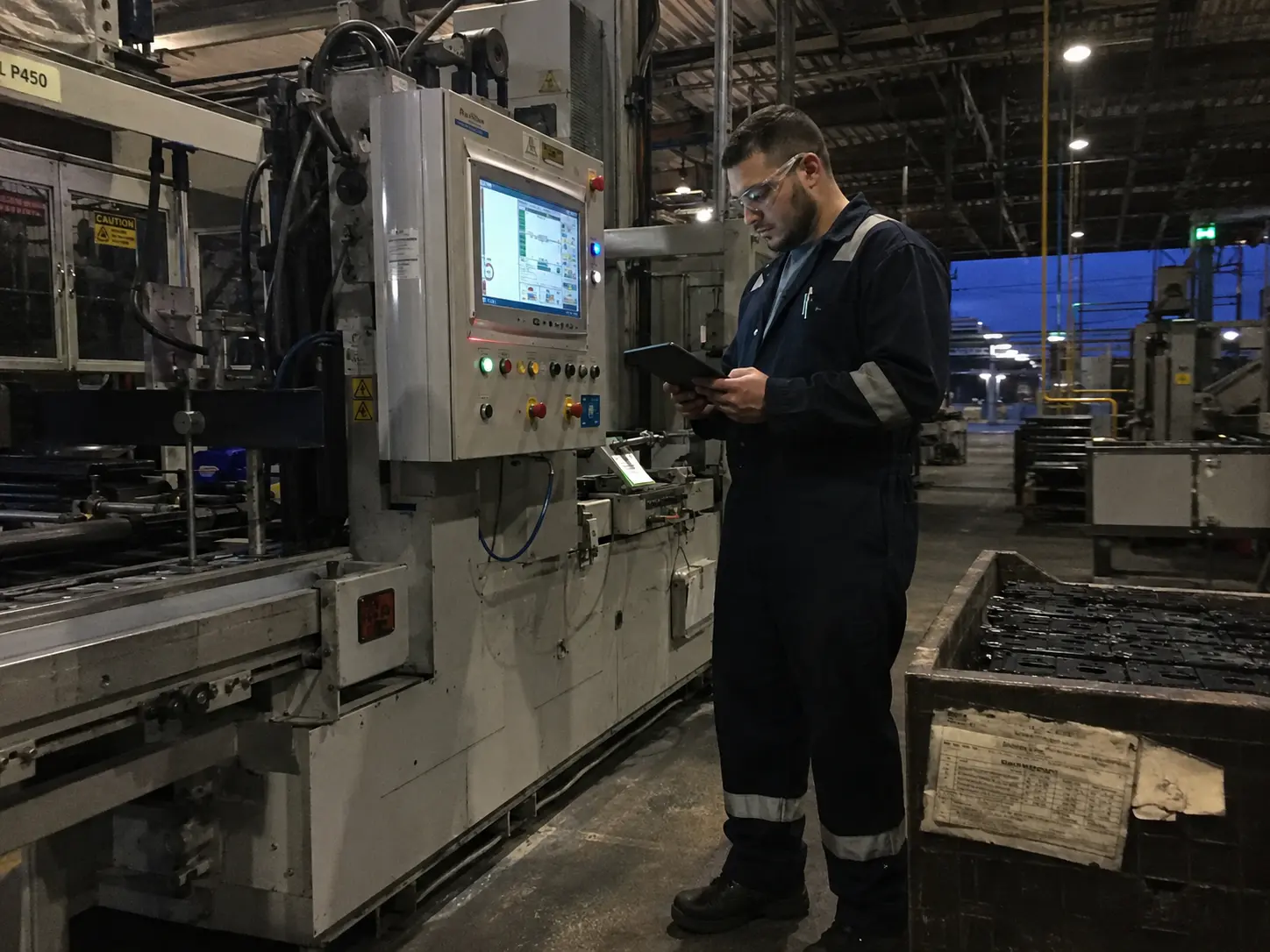
In this context, Physical AI becomes a key enabler, not because it replaces humans, but because it extends human capabilities.
Physical AI systems:
This is why next-generation industrial applications focus on:
In all these cases, intelligence must live inside the process, not in a separate dashboard.
One of the most common misconceptions in industrial AI is the belief that value resides mainly in the model.
Without a physical embodiment:
Even the most advanced algorithm, if disconnected from sensors, actuators, and physical constraints, remains theoretical.
Physical AI reverses this logic: intelligence is designed starting from the body, not added at the end.
In advanced industrial scenarios, digital twins are not visualization tools—they are cognitive environments.
A digital twin becomes the space where:

For Physical AI, this layer is essential.
Learning directly on industrial assets is costly and risky. Digital twins allow AI to train, validate, and evolve before acting in the real world.
This is where Think.link, e-Novia’s AI-ready IoT platform, plays a critical role.
Physical AI requires more than algorithms. It requires a robust infrastructure capable of connecting heterogeneous assets, structuring physical data, and turning it into operational intelligence.
Think.link enables companies to:
The platform is designed not as a generic IoT layer, but as an operational backbone for Physical AI systems, ensuring continuity between the physical world and intelligent decision-making.
The most common mistake companies make is treating Physical AI as an IT initiative.
This approach is understandable, but limiting.
Physical AI does not create value because it introduces smarter algorithms. It creates value because it changes how products and industrial systems are designed, used, and evolved.
A Physical AI-enabled system:
This cannot be bolted on later.
It must be designed into the product, into the system architecture, and into the human-machine interaction.
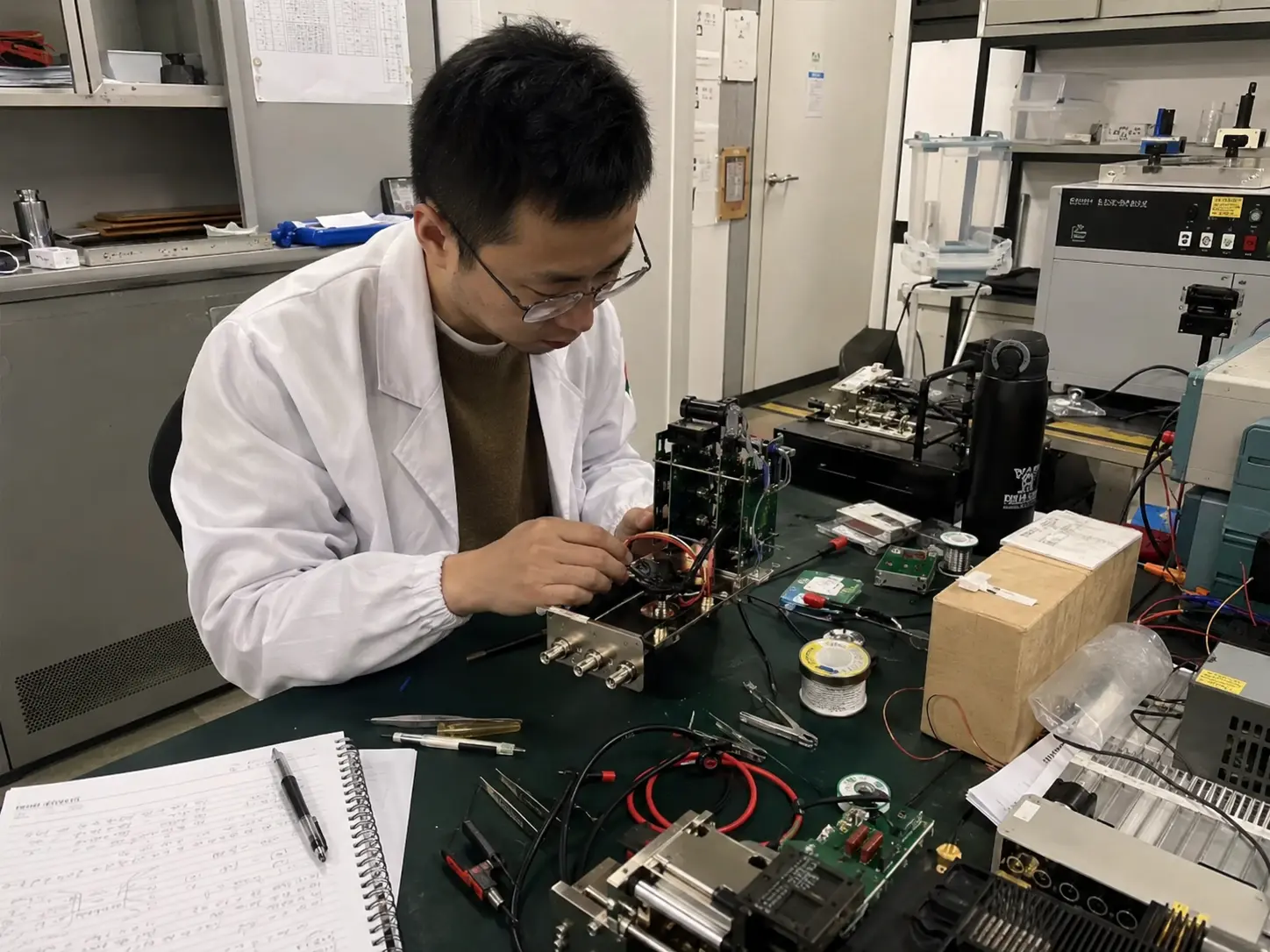
In environments characterized by skill shortages, workforce turnover, and increasing complexity, Physical AI becomes a strategic asset, not because it replaces people, but because it amplifies human expertise.
At e-Novia, Physical AI is not treated as a standalone technology, but as part of a broader intelligence infusion approach.
The starting point is always the real system:
From there, e-Novia designs integrated solutions that combine:
The goal is not to “bring AI into industry,” but to rethink industrial systems so they can learn, adapt, and improve over time.
CES 2026 made one thing clear:
AI is becoming infrastructure.
Not visible, not optional, but embedded in the systems we rely on every day.
For industry, the question is no longer whether to adopt AI, but how to do it in a way that is reliable, scalable, and human-centered.
Physical AI for industry is where digital intelligence meets the real world.
And it is there that the next generation of industrial competitiveness will be built.
Discover how e-Novia supports companies and researchers in designing Physical AI systems, turning advanced technologies into real-world industrial value.