Building Physical AI ventures at e-Novia Investor Day
How e-Novia’s Physical AI Investor Day connected startups with investors and industry...

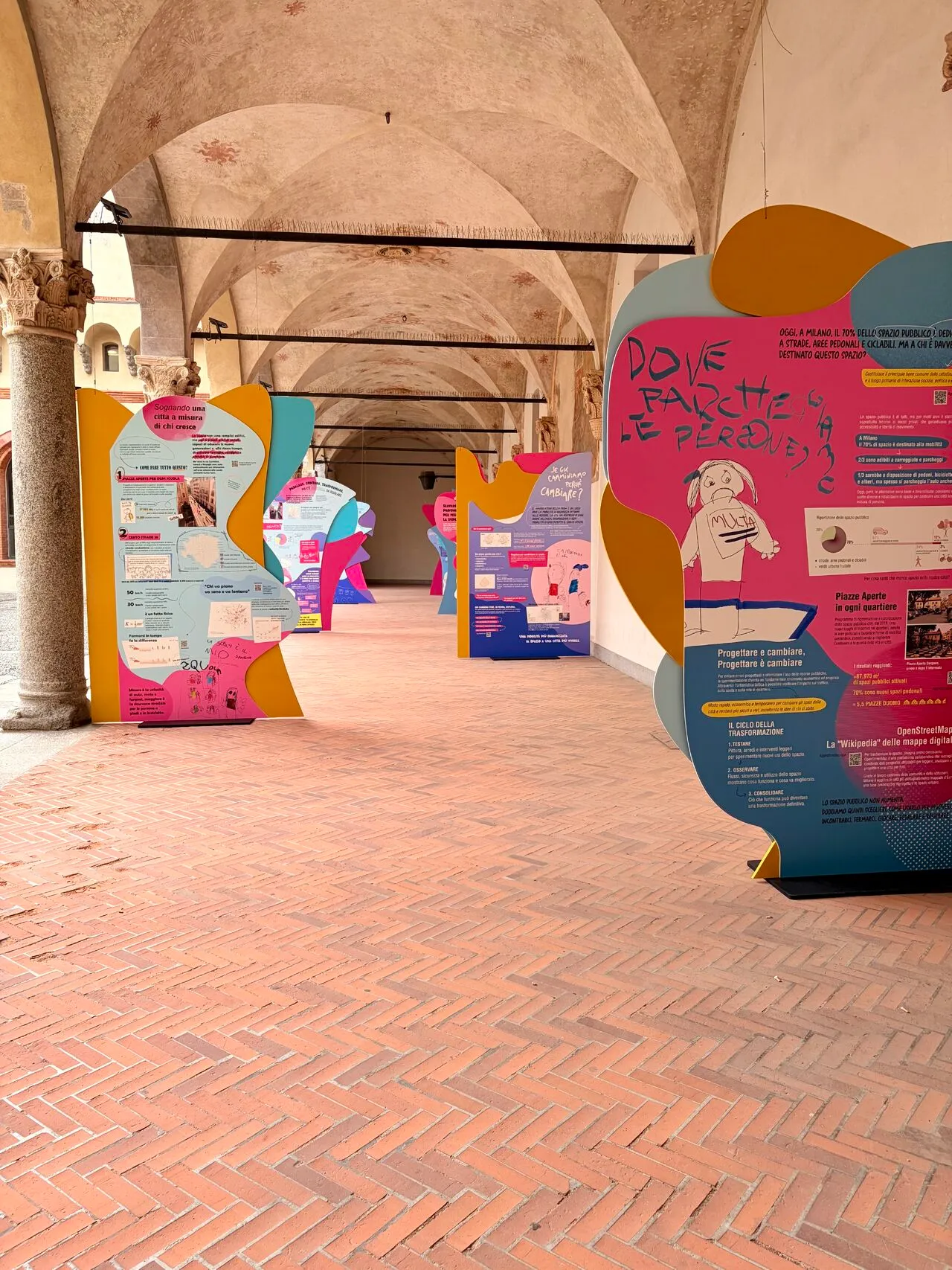
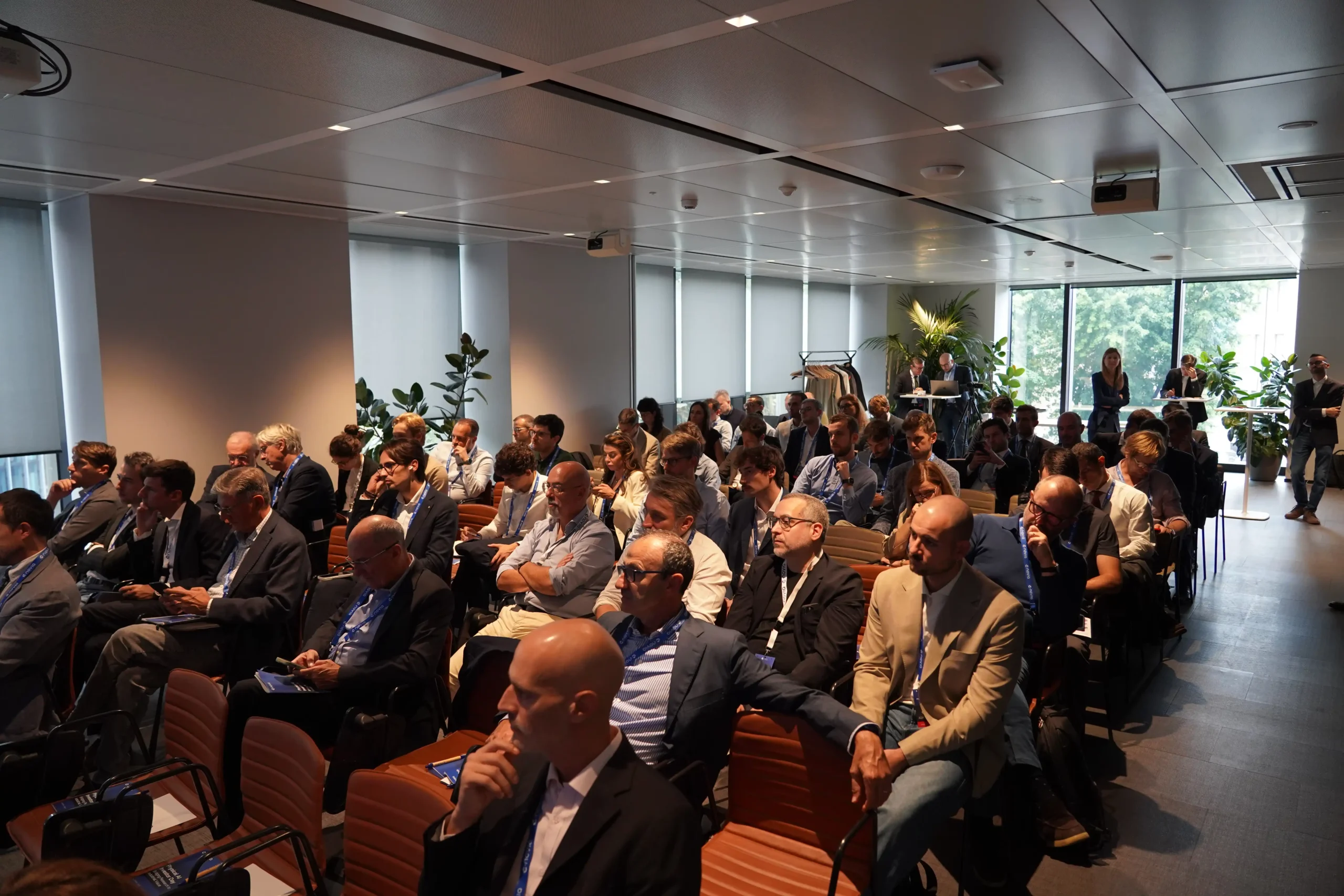
On 6 October, as part of Milano Digital Week, we brought investors and industrial partners together to meet four startups from our Venture Studio. The discussion focused on a central challenge for Physical AI ventures, how to turn research into a product with a place in the market.
A technology that works in a laboratory still has further steps to take before it becomes a product. Its performance needs to be tested under actual operating conditions, alongside the feasibility of manufacturing it at a sustainable cost. At the same time, the team needs to establish who might buy it and what benefit would justify that decision.
This journey shaped our Physical AI Investor Day 2026, held in Milan on 6 October as part of Milano Digital Week. Discussions with representatives from academia and industry accompanied pitches from four startups in our Venture Studio that were raising funding, with technologies ranging from bionics to wearable devices for movement and performance.
The common thread was the relationship between technology development and venture building. As a solution progresses, product decisions need to be informed by an understanding of the market, while the funding raised must support identifiable development milestones. An investor discussion becomes more useful when the team can explain how the next stage of work will advance both the product and the business.
Physical AI brings artificial intelligence into physical systems, allowing them to use information about their surroundings to adapt their behaviour. Its value becomes clear through what a product can do and how that capability changes the experience of using it.
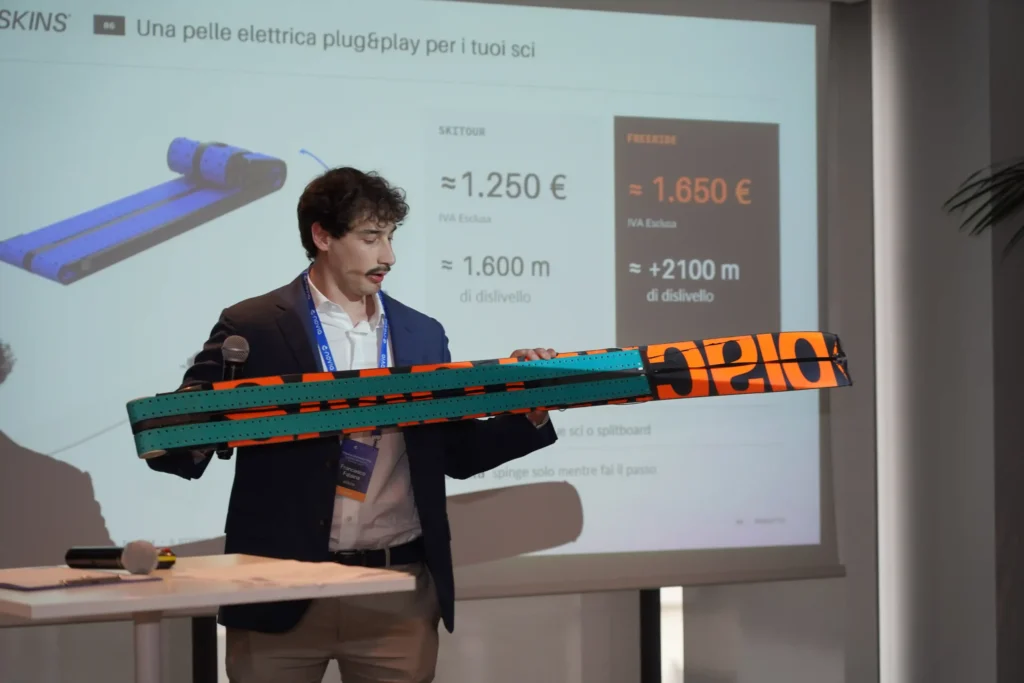
One example is eSkins, one of the four startups that pitched at Investor Day. Having joined our Venture Studio with a project applying robotics to sport, eSkins is developing a ski touring solution that integrates sensors and AI to assist the skier on the ascent, responding to their movement. As Federico Moro, Head of Venture Studio at e-Novia, discusses in his article on industrial applications of Physical AI, this development could make the activity accessible to more enthusiasts and broaden the product’s potential audience.
From e-Novia’s perspective, the value of such a project becomes clear when product functionality is considered alongside the user’s experience. For a business, the question is which needs a new capability can address and how to test its usefulness before investing in growth. That connection gives the development team a practical basis for deciding what to build and what to validate.
The discussion with academia highlighted the need to sustain collaboration between research institutions and industry. Joint laboratories and initiatives that bring universities and companies together create opportunities for contact, which need to be followed by structured work to bring technologies into use.
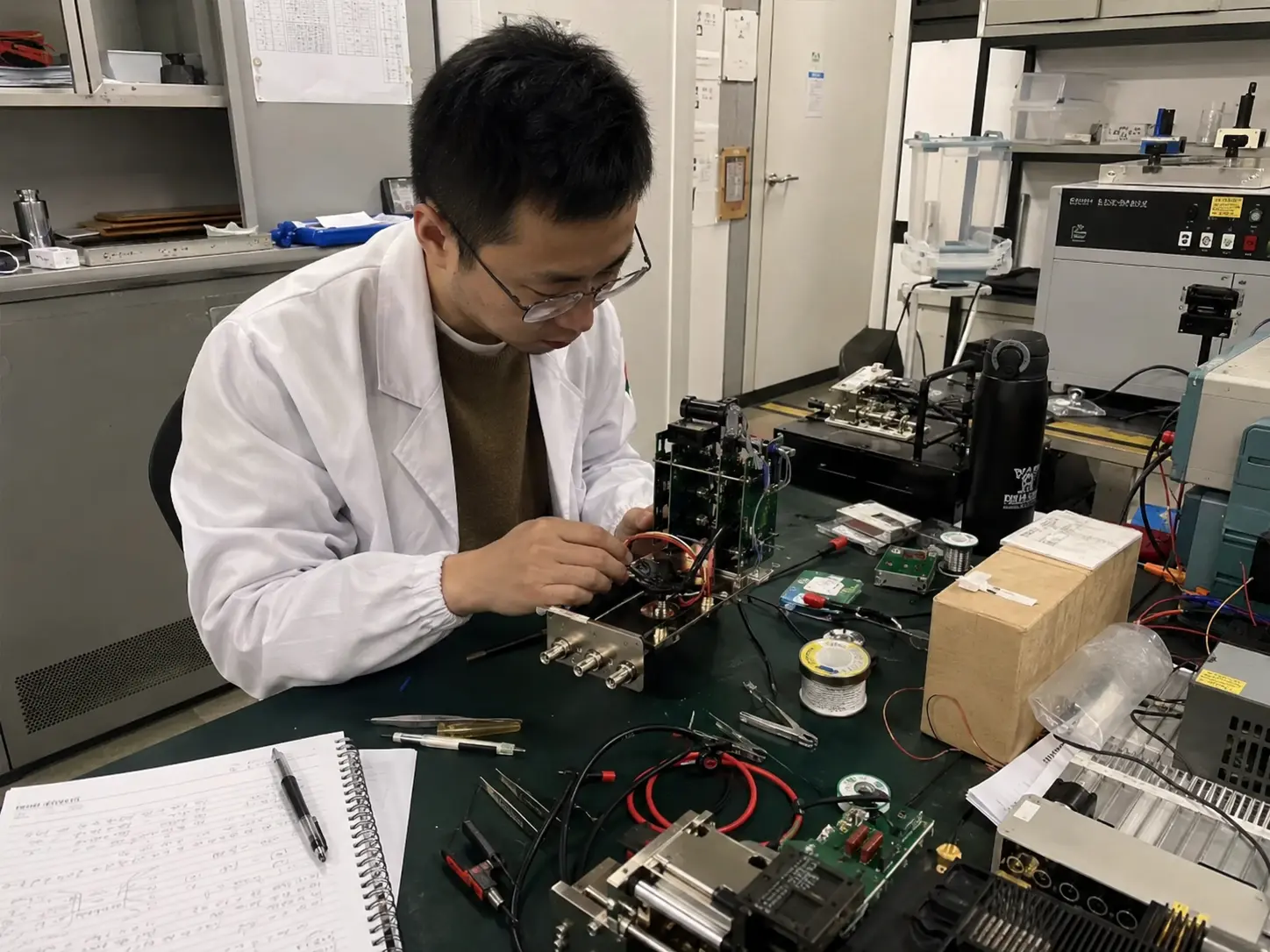
In deep tech and hardware, this includes the transition from a prototype to a reliable product that can be manufactured consistently. A solution tested in the laboratory needs to be assessed under the conditions in which it will operate, while design decisions must account for production capabilities and costs. Industry involvement brings these requirements into the development process and helps teams prioritise the next tests.
Federico Moro, Head of Venture Studio at e-Novia, explores this issue in his analysis of the transition from prototype to product, emphasising the need to complement research with engineering and industrialisation expertise. Technology transfer includes the practical work required to put a scientific result to use.
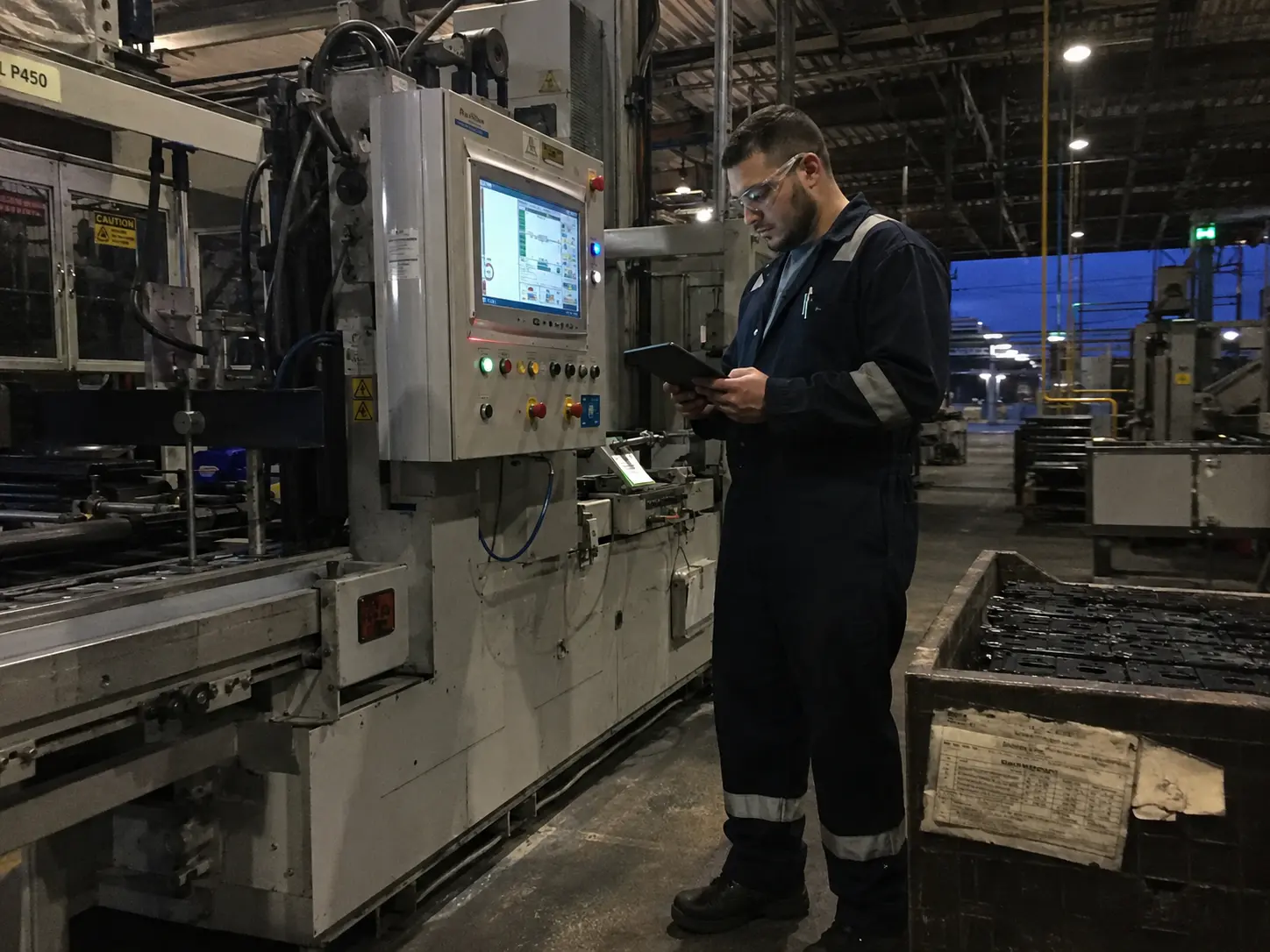
The industry discussion highlighted the importance of starting with business needs and the expected benefit. Identifying a useful Physical AI application requires an understanding of the process to be improved and of how the solution could fit into day-to-day operations.
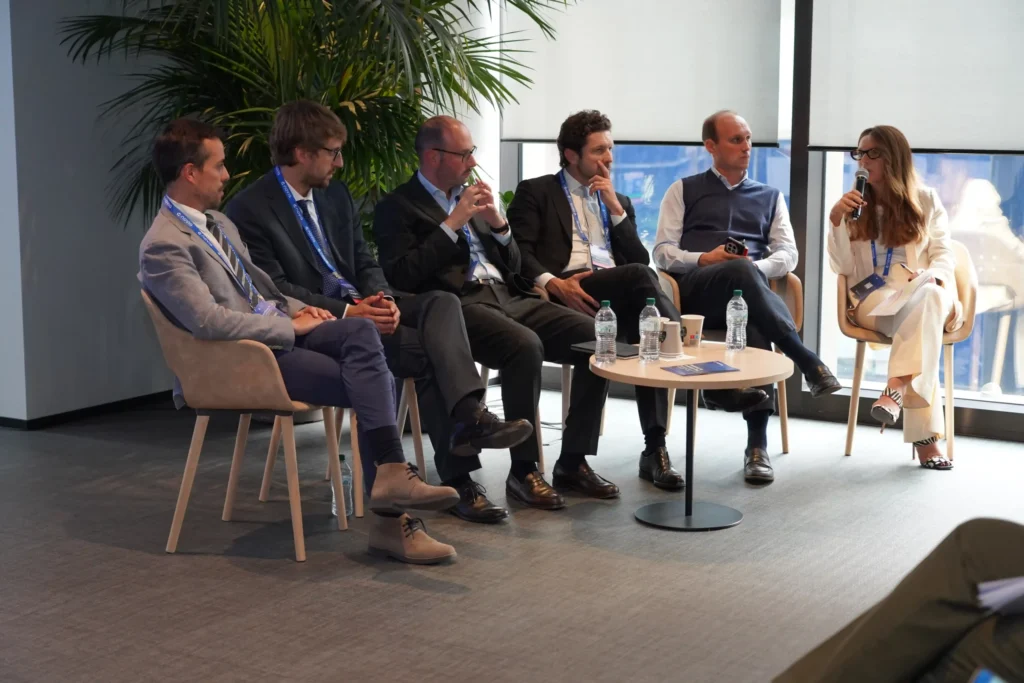
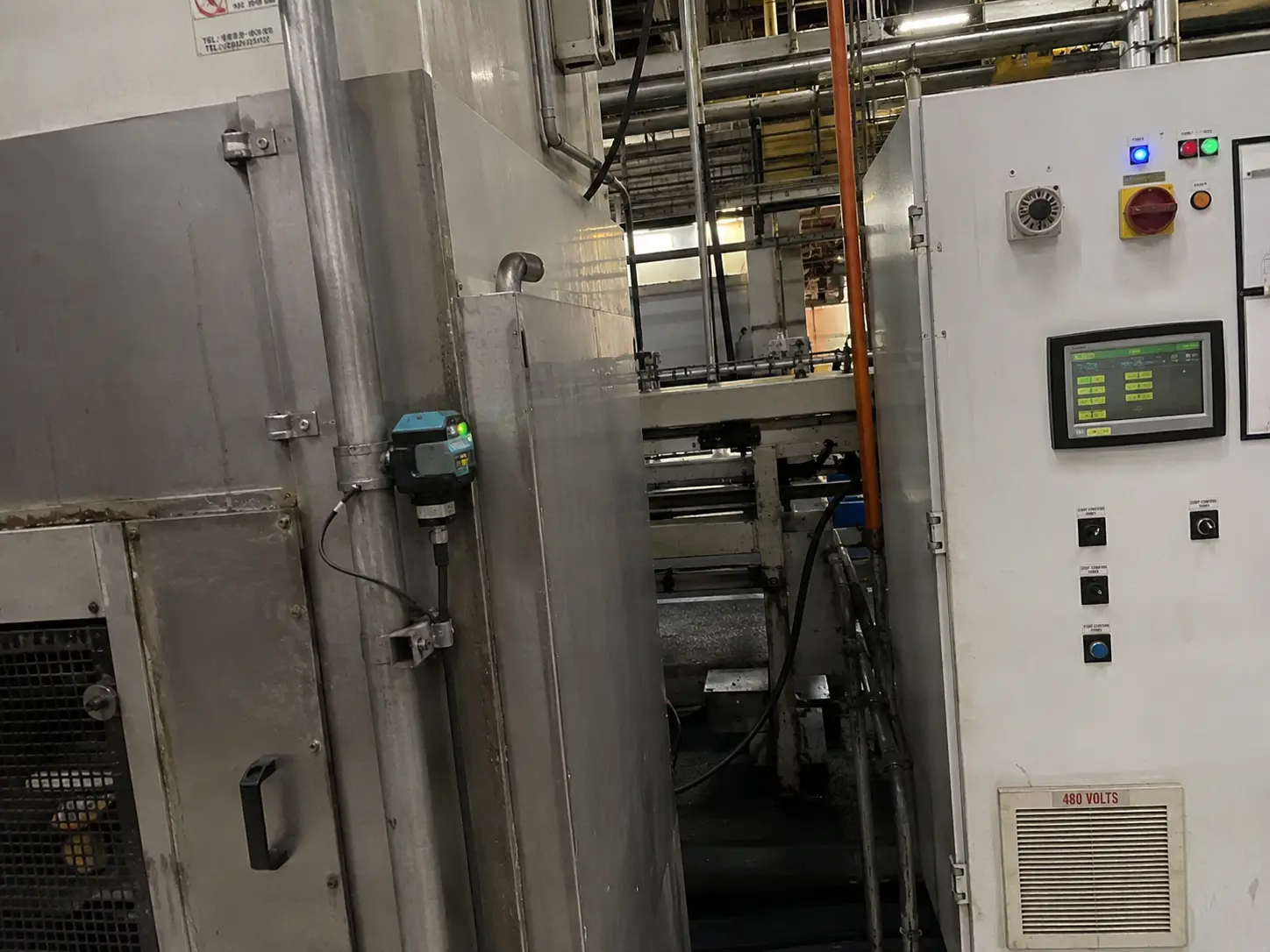
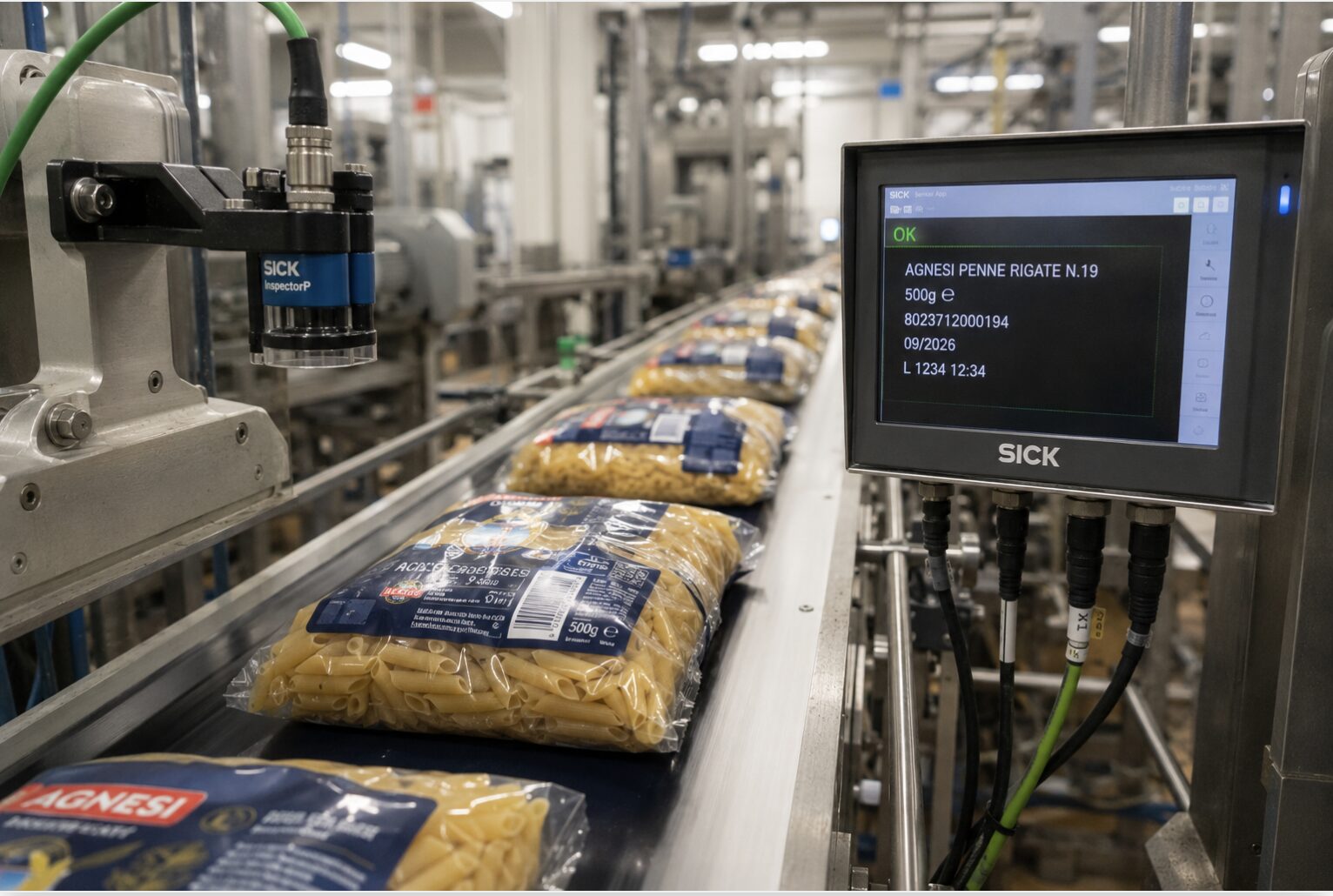
If the aim is to reduce production scrap, for example, the starting point is to understand its causes and establish which data can reveal them. This provides a basis for assessing an intervention and comparing the expected benefit with the cost of implementation and ongoing operation. Understanding the company’s existing systems therefore helps determine where to focus development and how to measure progress.
This work matters directly to startups, because a clearly defined industrial need provides a reference against which to test product decisions. Conversations with potential users can reveal requirements that affect the design and help the team identify the most promising applications. They can also clarify what a prospective customer would need to see before moving from initial interest to a product trial.
The discussion also connected venture development with the role of capital and relationships across the European ecosystem. For a Physical AI startup, presenting its journey means explaining what has already been achieved and which next steps require additional resources.
Investor Day gave the four startups a setting in which to discuss these issues with prospective investors and industrial partners, connecting funding needs with the expertise required to continue development.
At e-Novia, we see greater value in this dialogue when funding needs are linked to verifiable objectives. Depending on the project’s maturity, the next step might be a trial with a user or preparation for an initial production run. Making that objective explicit allows participants to discuss what evidence the work is expected to produce and how it will inform subsequent decisions. It also provides a clearer basis for assessing which partners can contribute to that stage of the journey.
Through our Venture Studio model, we work alongside founders as they build their businesses, contributing product expertise and connections with industry.
This operational contribution includes the relationship between technical and commercial decisions. A change requested by a prospective user may affect the design, while a manufacturing choice may alter product cost and, in turn, the market the company can address. Considering these issues together helps the team maintain a coherent development path as the project advances.
Physical AI Investor Day brought this work into focus through the discussion of industrial needs and the startup presentations. Turning research into a business also depends on the quality of the relationships built around concrete problems and the ability to follow through on those conversations.
Companies interested in exploring Physical AI applications can learn more about working with e-Novia as an industrial partner and discuss their needs with our team.