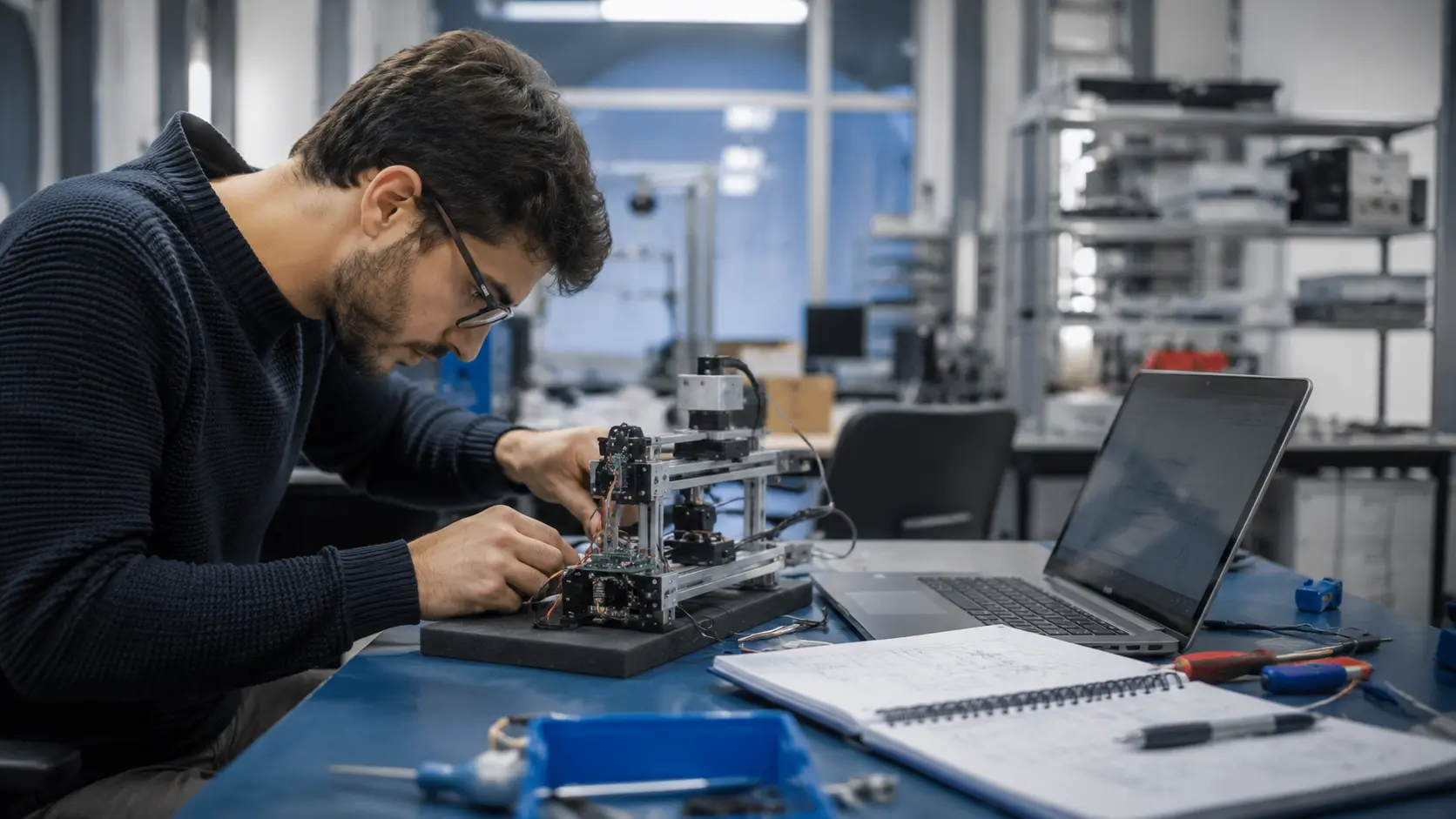
Industrial Proof of Concept: validating new solutions before full development
What an industrial Proof of Concept is, when it is useful and how it helps companies ...

Artificial intelligence is today’s leading driver of global technological change. However, implementation data reveals a reality where theoretical promises struggle to deliver systemic, operational impact. For corporate decision-makers, understanding and measuring the AI adoption gap has become a strategic imperative to avoid wasted investments and identify genuine competitive advantages.
While Large Language Models (LLMs) have democratized access to generative AI for data and text, the industrial application of these technologies moves at a drastically different pace. A deep divide has emerged between the computing power available in the cloud and the actual integration of algorithms into physical processes, production lines, and final products.
A clear picture of this asymmetry emerges from the latest Anthropic report on labor market impacts. The research highlights that most assessments of AI exposure focus almost entirely on what can theoretically be automated, ignoring the friction of real-world implementation.
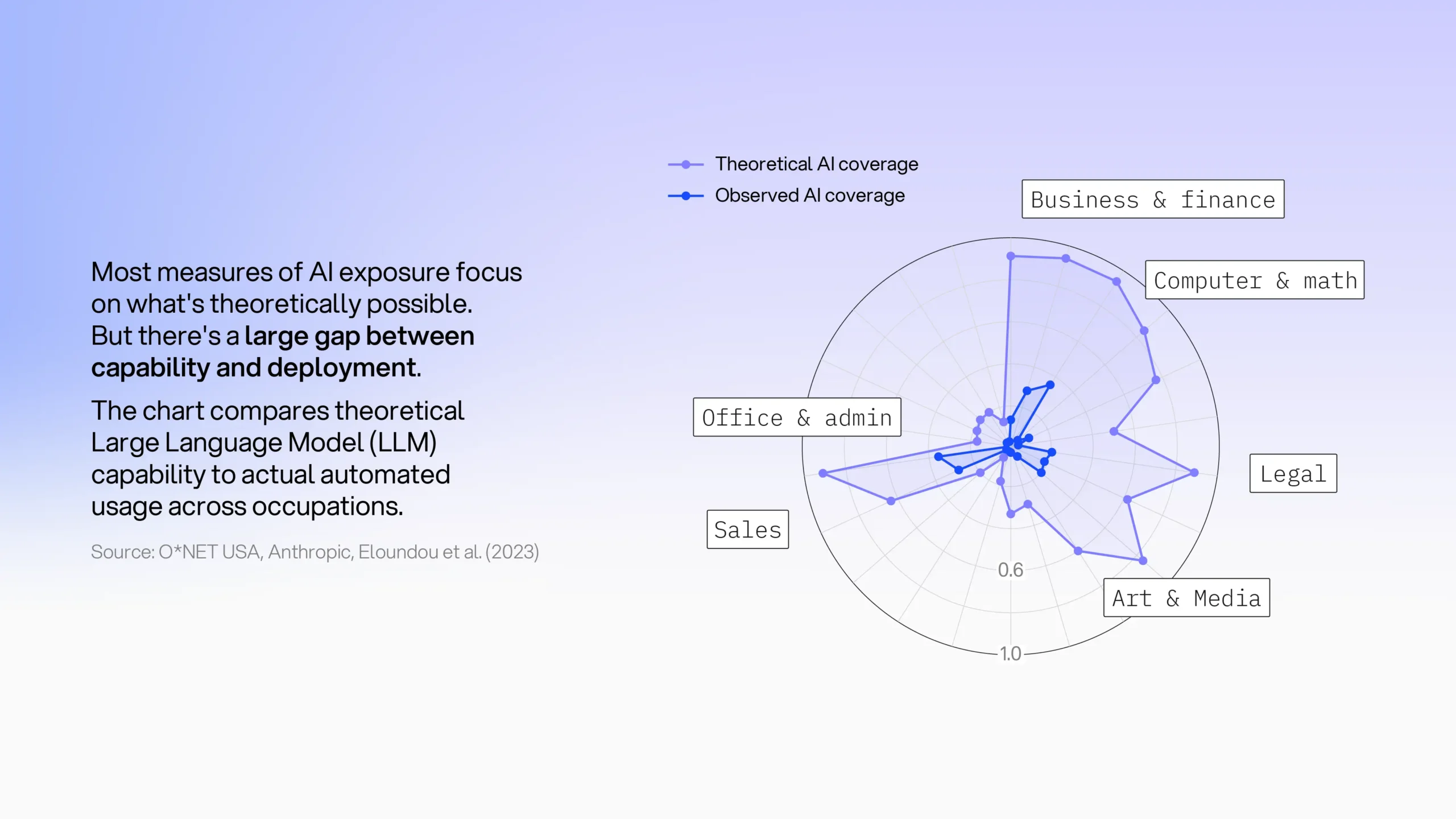
The report’s data shows that actual AI exposure is still a tiny fraction of its theoretical potential. Looking at knowledge-intensive professions, from administration to finance and software development, there is a sharp disconnect between “theoretical AI coverage” and “observed AI coverage.” Even in sectors where the infrastructure is purely digital, the deep integration of algorithms into complex workflows has not reached the critical mass predicted by early models.
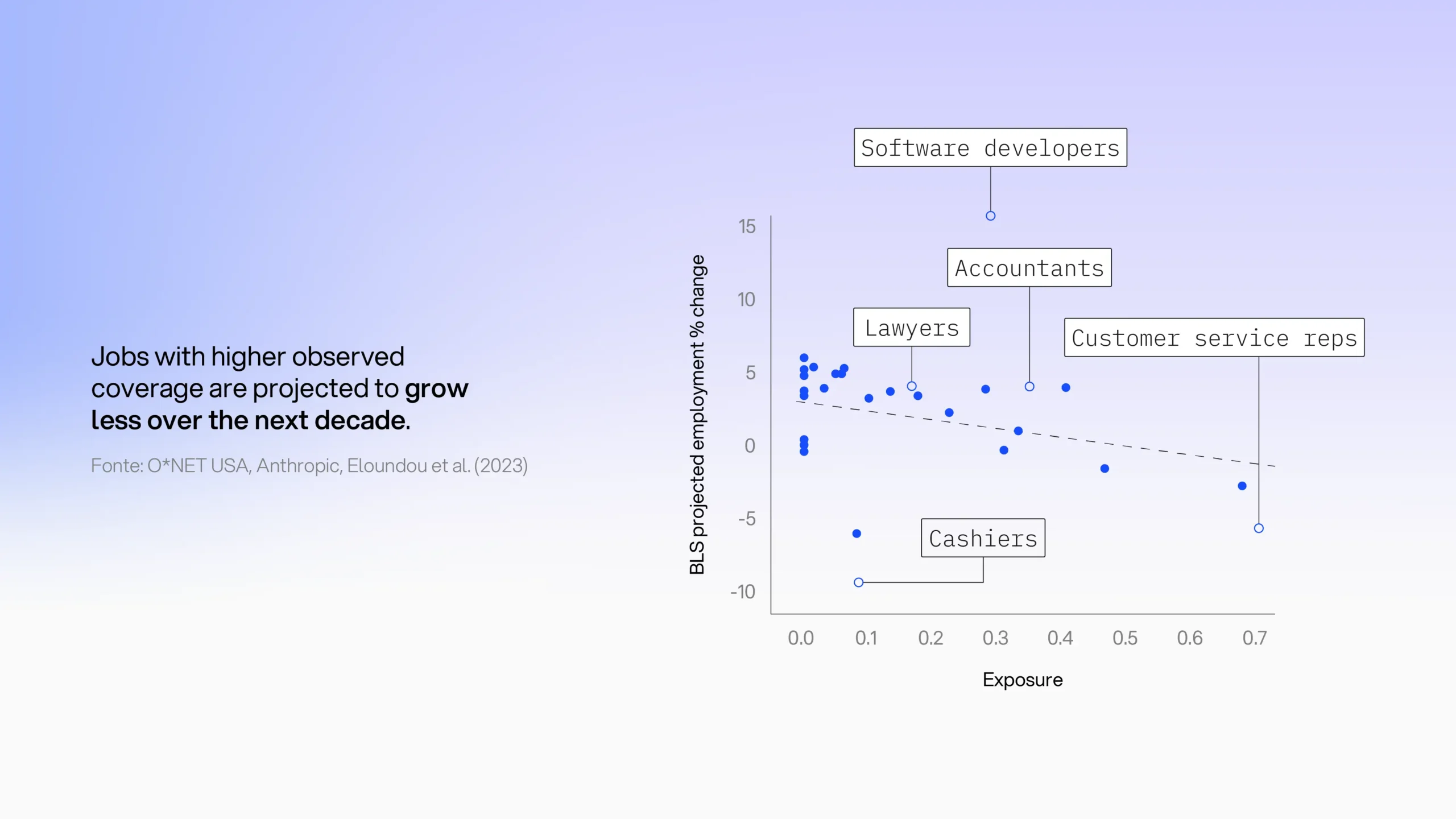
If the AI adoption gap is this wide in digital-native ecosystems, its scale becomes critical when attempting to transfer artificial intelligence into manufacturing and industrial processes.
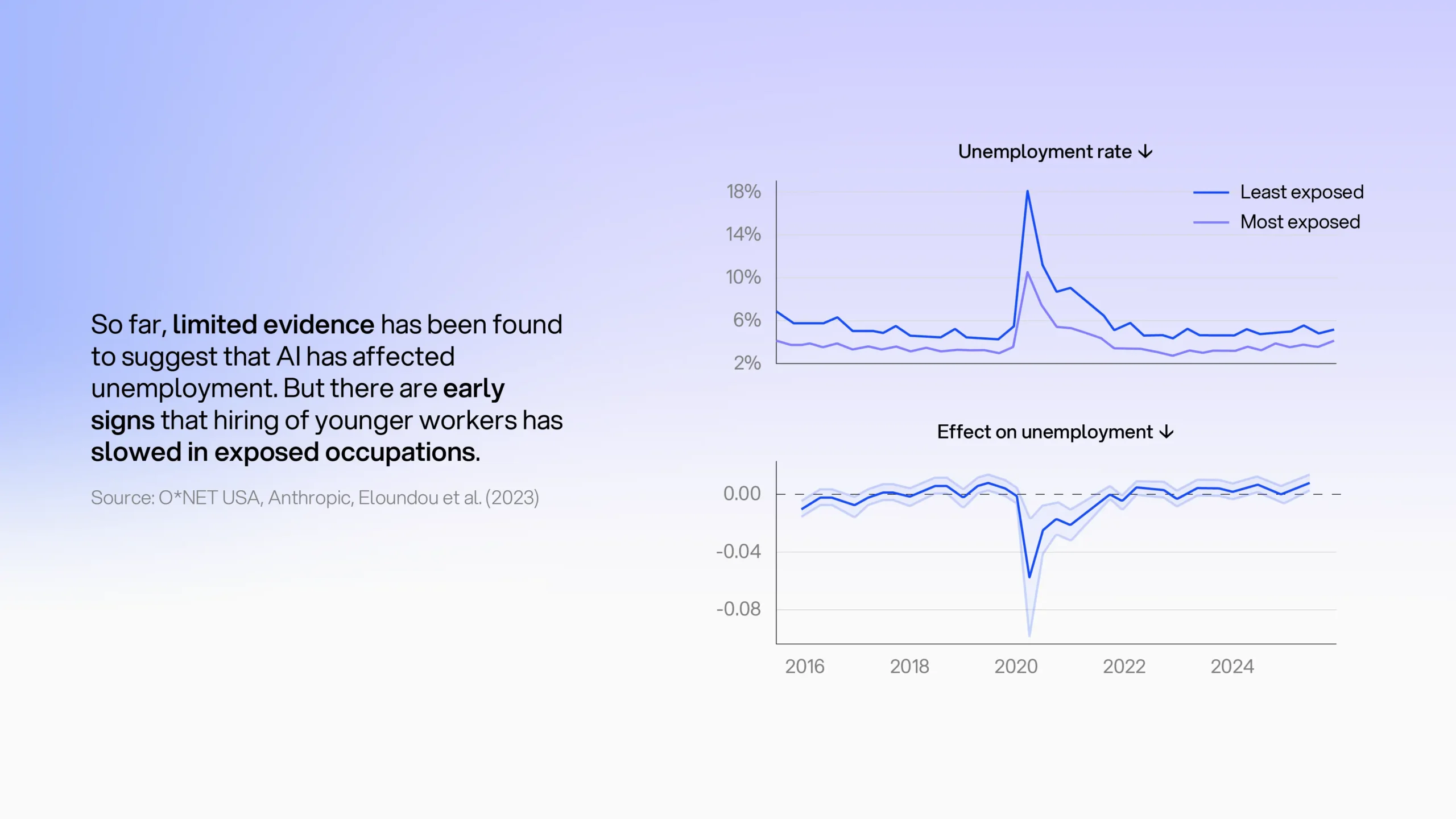
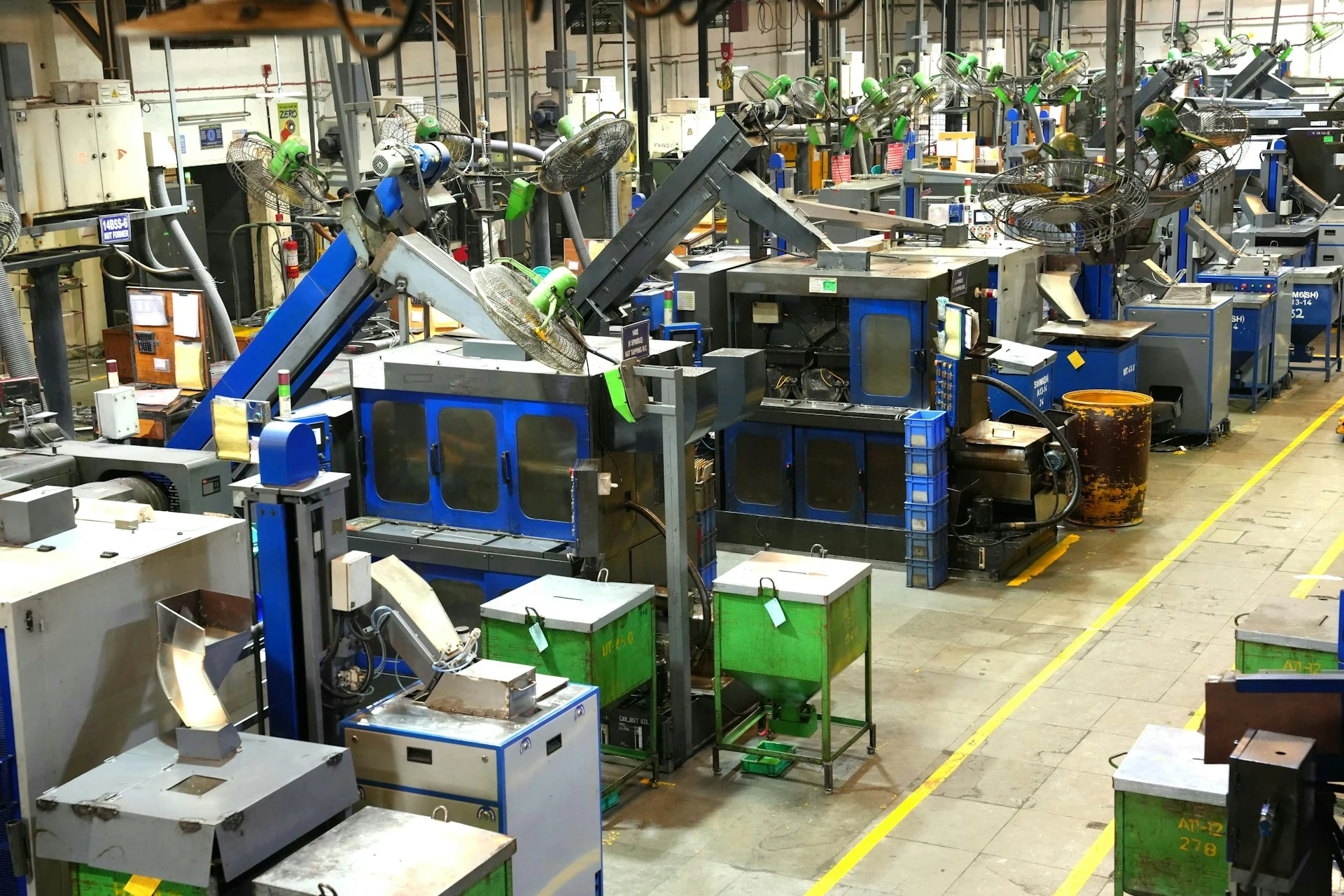
Many companies approach technological innovation by merely adopting productivity software or data analysis tools. They stop at a level that does not affect the core hardware of their business. The reason for this “surface-level innovation” is structural: standard artificial intelligence, by its very nature, lacks the tools to interact natively with the dynamics of the physical world.
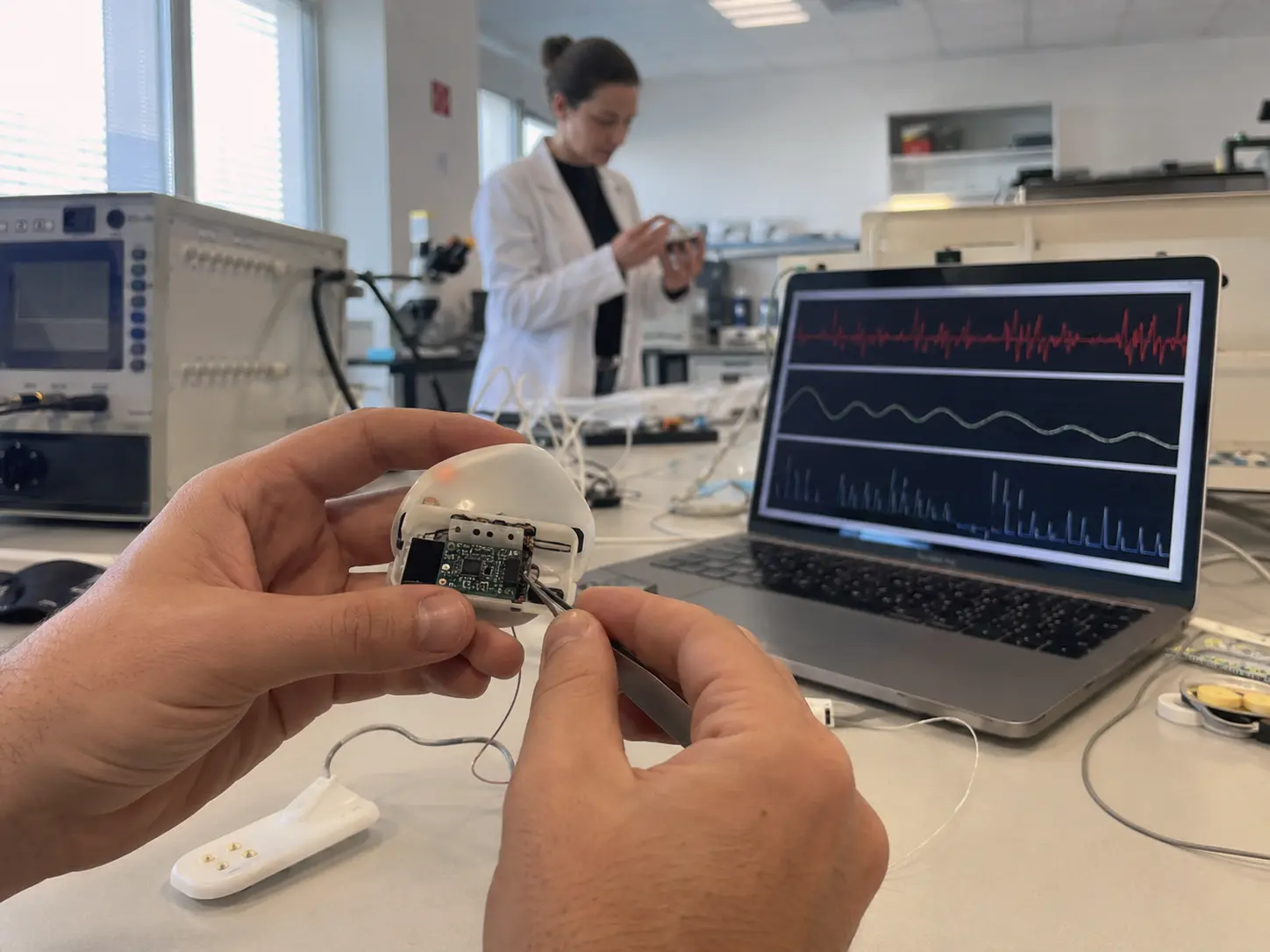
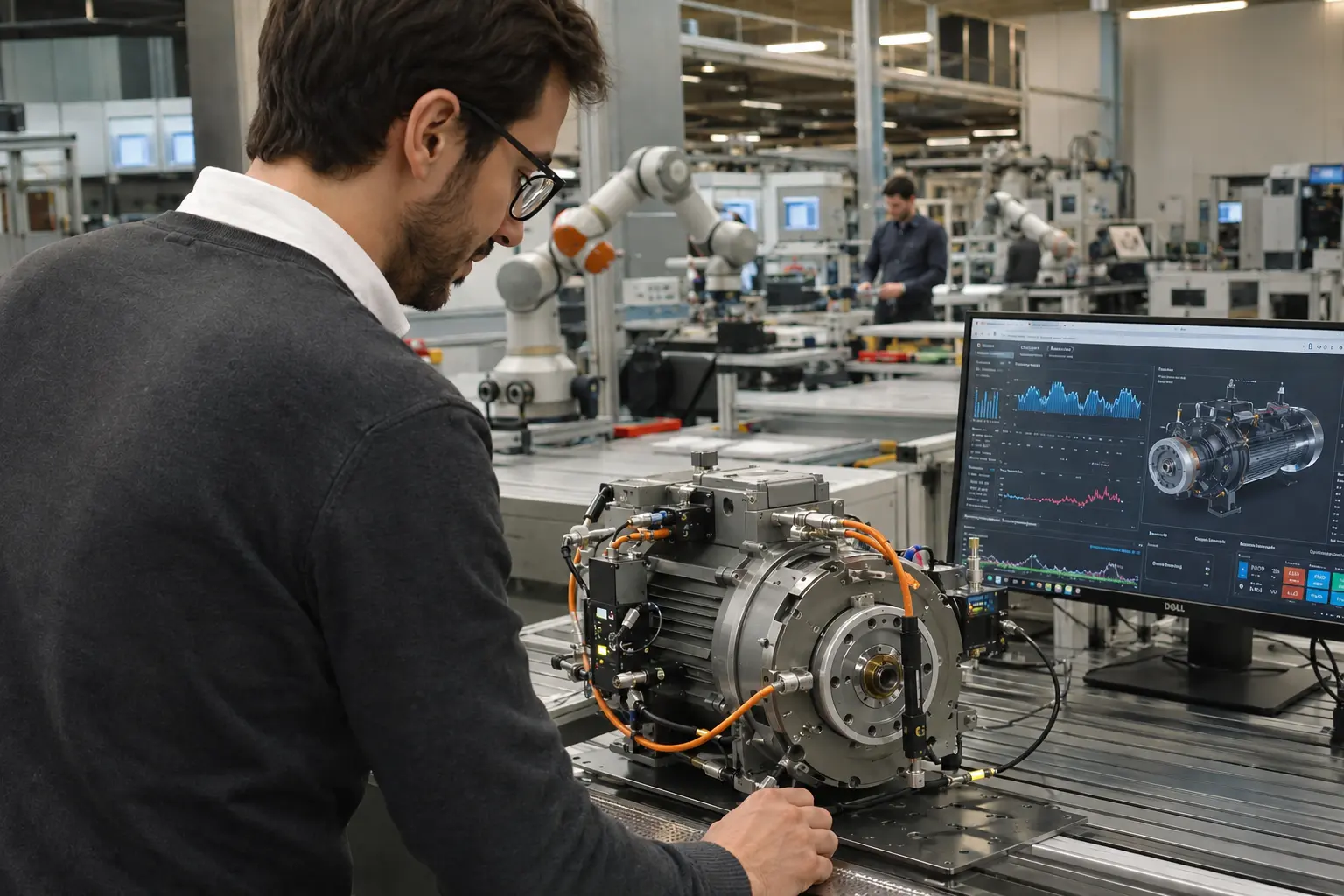
Bringing intelligence into an industrial environment or a consumer product requires complex technological convergence. Having an advanced algorithm is not enough. The software architecture must communicate seamlessly with edge electronics (to ensure local data processing with minimal latency) and with mechatronic systems (for physical actuation and sensors). This intersection of skills, combining data science, electronic engineering, and mechanics, rarely exists organically within a single corporate structure.
This space of complexity defines the transition from Digital AI to Physical AI: a paradigm where artificial intelligence stops being just an analysis tool and becomes an active, decision-making element integrated into the physical product. Closing the AI adoption gap means mastering this transition.
To overcome the natural barriers to bringing these technologies to market, e-Novia adopts a structured approach based on the Venture Studio. e-Novia’s Venture Studio model was created with a clear goal: to act as a bridge between universities, research centers, and the industrial landscape, transforming advanced technological solutions and entrepreneurial ideas into scalable businesses.
This model isolates the complexity of deep tech development, speeding up the time-to-market for highly innovative hardware-software solutions. Two concrete examples of how artificial intelligence can be successfully integrated into physical devices come from companies born within our ecosystem.
A prime example of Physical AI application is Wahu: the smart sole that adapts to you. Wahu was created to transform daily walking through technological innovation. Its platform incorporates proprietary W-Lift™ technology, inspired by adaptive robotics to respond in real-time to both the user’s morphology and the environment.

W-Lift™ allows the shoe’s sole to modulate its behavior, actively adapting to each person’s physical traits and different surfaces or conditions. This solution lays the foundation for a new generation of smart footwear, ready to meet the needs of the technical and urban footwear market, proving how an algorithm can translate into a tangible biomechanical benefit.
At the same time, the wearable solutions developed by Weart digitize the sense of touch, allowing users to feel physical or virtual objects across space and time. The company’s flagship product is the TouchDIVER Pro, a device capable of reproducing tactile sensations with a high degree of realism.
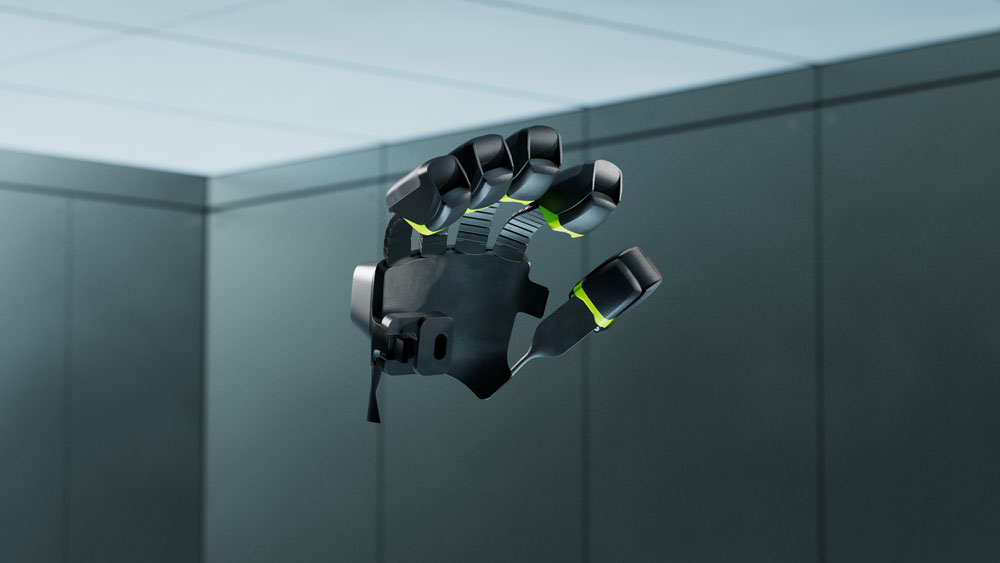
Weart’s devices enhance multimedia experiences across many fields, aiming to redefine how users interact with digital content in their daily lives. Applications range from entertainment and marketing to professional training and content sharing. The integration of actuators capable of generating forces, vibrations, and thermal changes, guided by real-time software, represents the peak of Physical AI applied to the human-machine interface.
The real adoption of artificial intelligence in physical products does more than just optimize performance; it acts as a catalyst for transforming corporate business models. Industrial companies that successfully close the AI adoption gap gain the ability to move from simply selling a physical product to providing value-added services (Servitization).
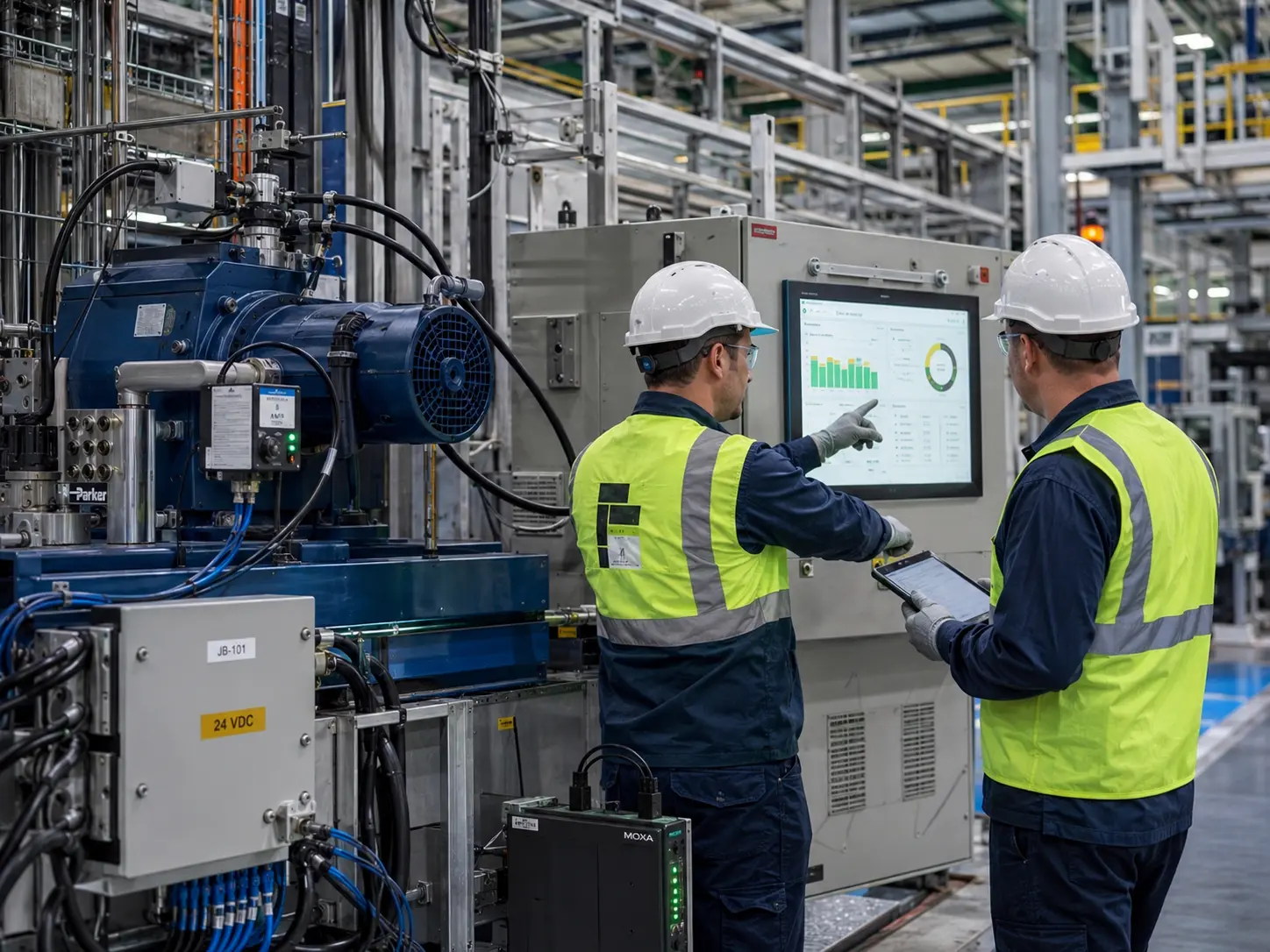
Through our technology innovation consulting, we help companies implement systems capable of monitoring component health in real-time, predicting wear and tear in harsh environments, and adapting machine behavior to external conditions. This means being able to offer end customers uptime guarantees (operational continuity), predictive maintenance as-a-service, and continuous Over-The-Air (OTA) feature updates directly on existing hardware.
In conclusion, the true competitive advantage of the next decade will not lie in simply adopting third-party AI software. Instead, it will be found in the engineering and strategic ability to merge computational intelligence with physical and industrial reality, measuring success not by the number of digital licenses, but by the industrial impact generated.