logo
logo
Date
5 May 2026
Author
e-Novia Editorial Team

Industrial Machinery Retrofitting: From Smart Revamping to Predictive Intelligence

Date
5 May 2026
Author
e-Novia Editorial Team
Share
Share
Table of Contents

Indice dei contenuti

In the current manufacturing landscape, process optimization and the transition to the digital factory frequently collide with a structural obstacle: the high prevalence of obsolete assets still in operation. Replacing the entire machinery fleet with state-of-the-art equipment through a drastic rip-and-replace approach is an unfeasible option for most companies due to massive capital expenditure (CAPEX) and prolonged plant downtime.

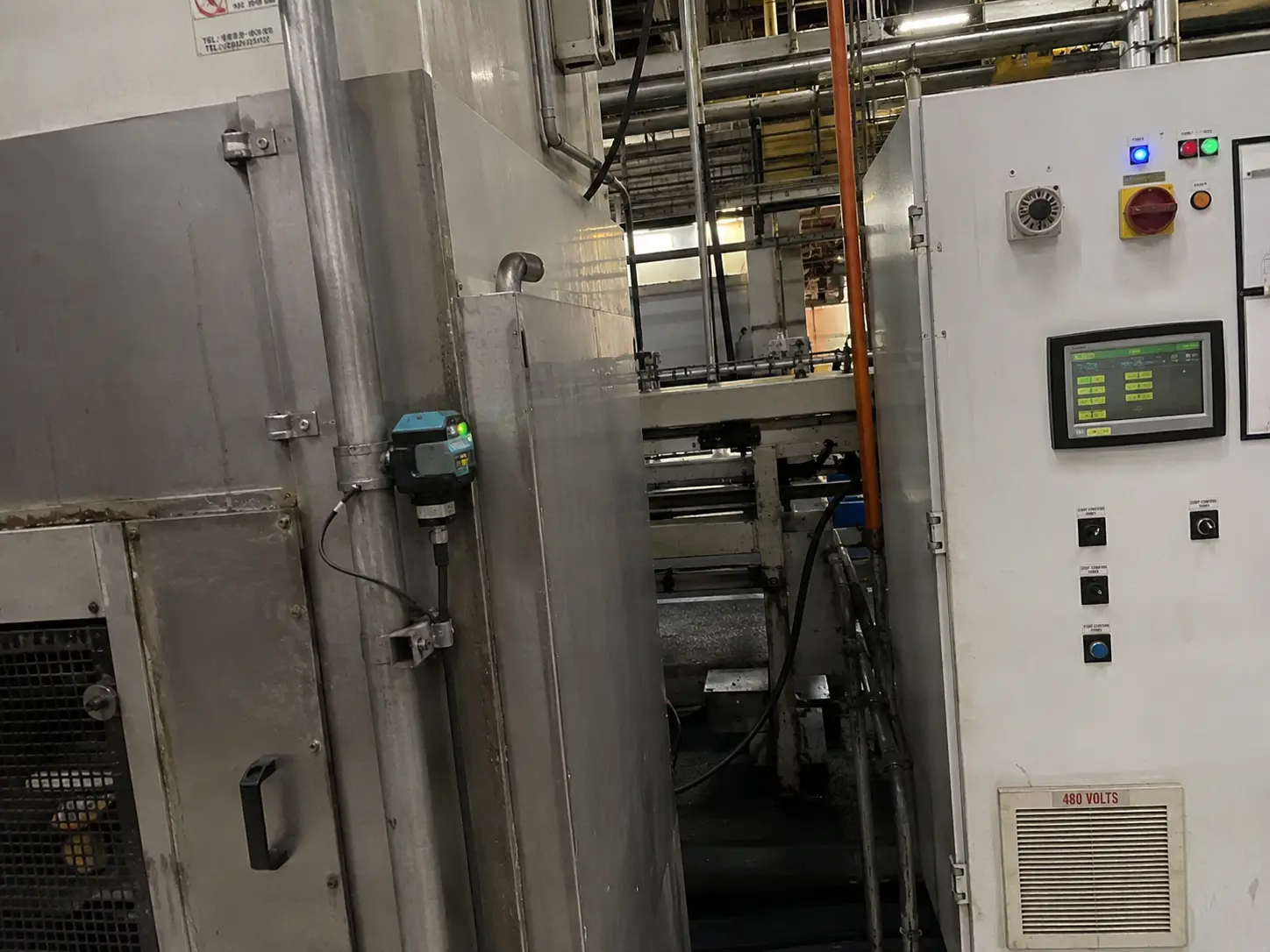
In this scenario, dominated by brownfield architectures (existing, operational industrial plants characterized by mechanically valid machinery lacking native connectivity), industrial machinery AI retrofitting emerges as a fundamental strategic lever. It is no longer just a hardware upgrade, but the most efficient engineering pathway to transform legacy systems into intelligent, autonomous nodes.

The standard retrofit architecture: overcoming data isolation


The engineering challenge behind retrofitting is the implementation of low-intrusiveness solutions that allow asset digitization without altering the automation logic or control cycles of older systems. The traditional architecture for modernizing machinery typically spans three layers:

  1. Edge Sensing: The physical acquisition of field data through the integration of external sensors (accelerometers, thermal probes, power consumption meters).
  2. Edge Computing: The use of gateways that translate the closed signals of legacy machines into modern standards, performing initial local data filtering.
  3. Cloud Integration: The upper layer where data converges into enterprise systems to feed control dashboards and reporting.

While this infrastructure represents the essential technological precondition for Industry 4.0, merely connecting the asset no longer guarantees a sustainable competitive advantage.

The gap between visibility and action: the limits of traditional architectures


The core vulnerability of older systems equipped with basic retrofit kits is the inability to objectify the process in real-time. Without active monitoring of physical variations, companies remain tethered to purely reactive operational strategies, with direct repercussions on operating expenses (OPEX).

The most glaring limitation manifests in quality management. In traditional systems, manufacturing defects are detected exclusively at the end of the line. When an anomaly is identified at the end of the cycle, the costs of raw materials, time, and energy have already been irrecoverably incurred. This delay generates scrap and hinders production optimization. To overcome these structural inefficiencies, mere data collection must evolve into autonomous decision-making models.

The paradigm shift: integrating Physical AI


The true paradigm shift, capable of drastically reducing the costs associated with poor quality, lies in processing continuous streams of raw data through Artificial Intelligence architectures applied to the physical world (Physical AI).
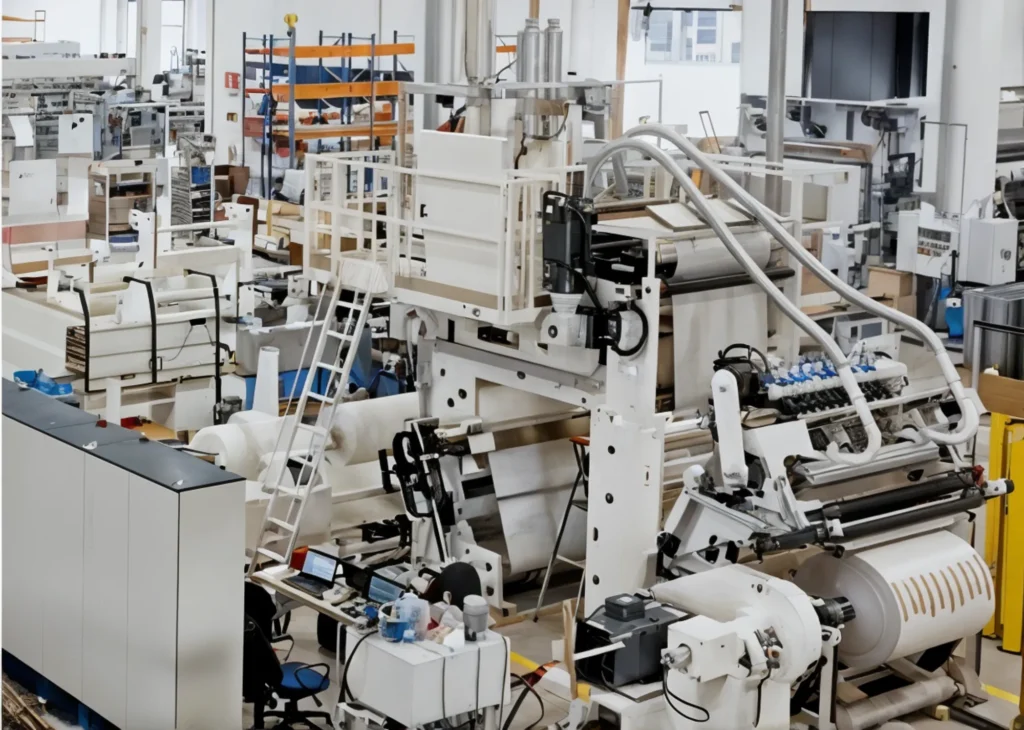
The objective is to transfer computing power directly to the machine edge (Edge AI), minimizing response times and bypassing the limitations of legacy machinery. This approach materializes in the development of true Industrial Co-Pilots: advanced algorithms that work alongside operators and machines, enabling the transition from reactive quality control to Predictive Quality. Key technological drivers include:

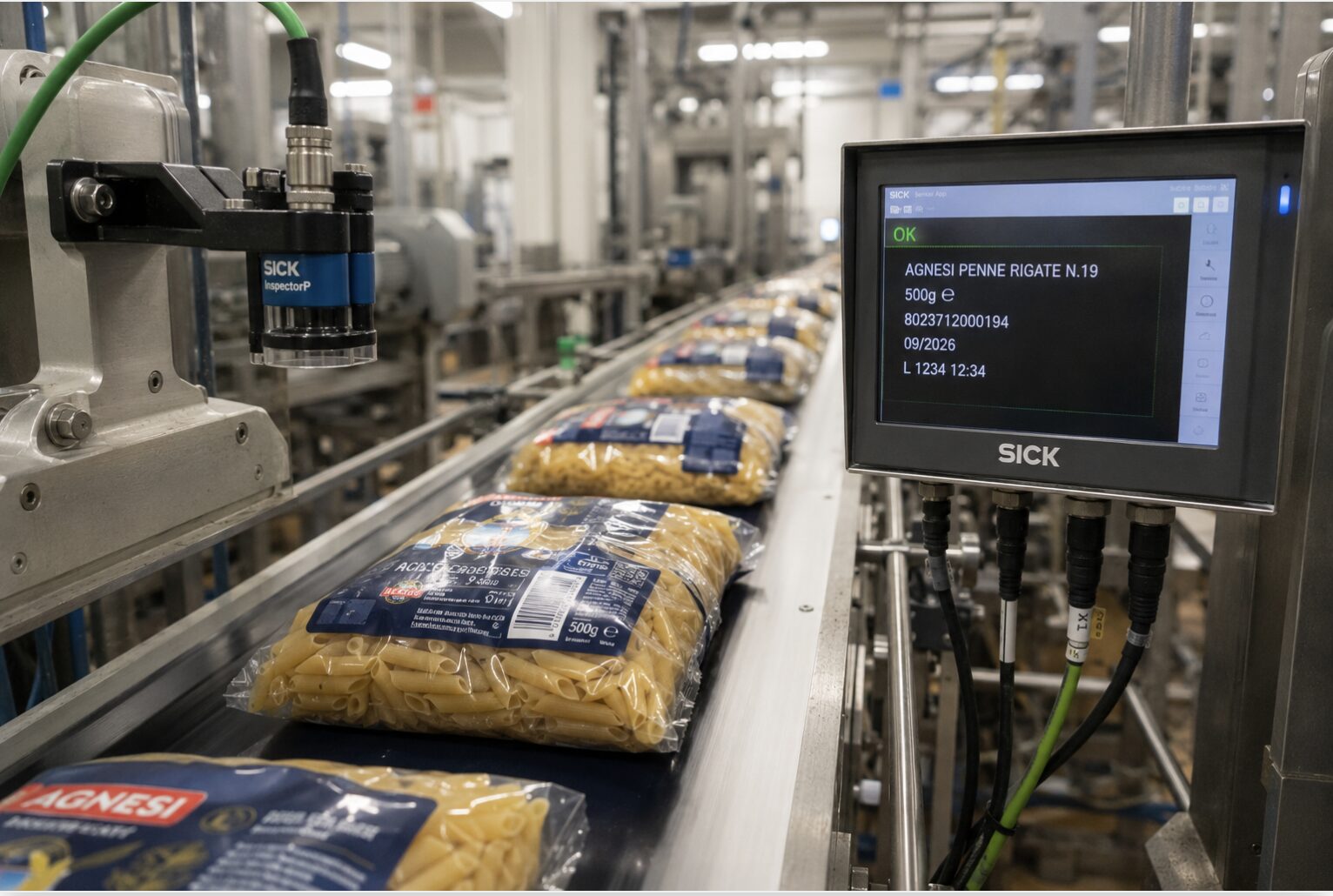
  • Advanced Computer Vision: Neural networks (algorithms simulating human learning) analyze real-time video streams to detect complex defects imperceptible to the human eye, ensuring 100% production inspection.
  • Acoustic and Vibrational Analysis: Every machine possesses its own kinematic signature (the unique footprint of mechanical movement). AI models learn the state of “optimal operation” and, by monitoring micro-acoustic or vibrational variations, deduce tool wear before it generates scrap.
  • Sensor Fusion and In-line Forecasting: By cross-referencing diverse operational parameters (temperatures, vibrations, electrical draw) with historical control data, the predictive system triggers automatic corrections to save the production batch. dei controlli, il sistema predittivo attiva correzioni automatiche per salvare il lotto produttivo.

Beyond theory: the 4 engineering execution challenges


Many industrial AI projects fail in the transition from the laboratory to the factory floor. To translate the potential of Co-Pilots into real business value, a strategic approach must confront the true criticalities of the production environment head-on:

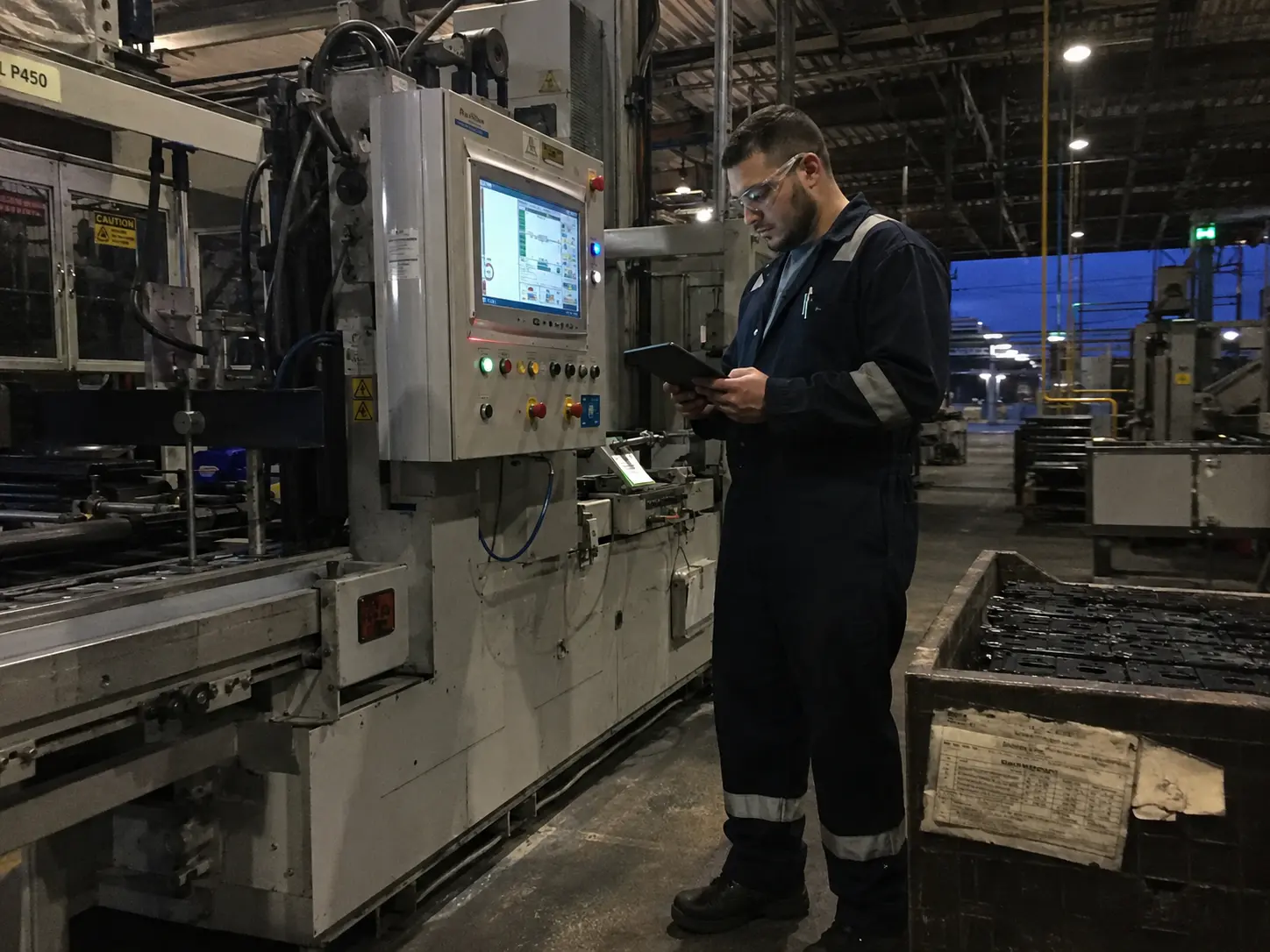
  1. Latency and Inferential Robustness: To close the control loop on rapid processes (e.g., injection molding), sending data to the cloud creates an unacceptable delay. Inference (the algorithm’s processing and decision-making) must occur in milliseconds, directly on the machine. Furthermore, the model must not degrade its performance in the presence of normal background vibrations typical of a factory.
  2. Mechanical Validation vs. Historical Model: Asserting that AI “learns the optimal state” by looking at historical data is a dangerous simplification. On obsolete assets, historical data often reflects chronic drift, not the theoretical optimum. Training a model on flawed data means automating inefficiency. A rigorous mechanical tuning process is required before training the algorithm.
  3. Sensor Calibration and Model Drift: Low-cost sensors can suffer instrumental drift within a few months, turning into false-alarm generators. The true hidden cost is not the initial retrofit kit, but the management of Model Drift (the progressive loss of algorithm accuracy). A structured engineering approach involves the evolutionary management of models, ensuring constant reliability over time without burdening the client’s operations.
  4. Balancing OEE vs. Cycle Time: The paramount KPI for a Production Director is not just scrap reduction, but OEE (Overall Equipment Effectiveness) and Cycle Time. If the Co-Pilot extends the cycle time by 5% to correct a parameter and eliminate scrap, the factory loses productive capacity. AI must optimize the trade-off between quality and operational speed, without ever penalizing volumes.

e-Novia guides manufacturing companies through a profound journey of process innovation consulting, taking charge of these engineering and algorithmic complexities. From infrastructure assessment to the performance integration of Co-Pilots, the intervention aims to accelerate results while minimizing implementation risks.

The impact of an industrial machinery AI retrofitting project conducted with this awareness is measurable on concrete fronts: the objectification of quality parameters, OEE stabilization, and precise energy tracking, preparatory for accessing green incentives and crucial for consolidating one’s tech sovereignty and competitiveness.

👉 Discover how e-Novia supports enterprises and industrial leaders in adopting Physical AI technologies and developing Co-Pilots for production process optimization.

Domande frequenti

Traditional revamping involves a deep and often intrusive modernization of a machine's mechanics. AI retrofitting, conversely, utilizes a lightweight architecture (Edge sensors and local algorithms) to add predictive capabilities to existing assets, minimizing plant downtime and optimizing operating costs.

Replacing a functional plant requires significant capital investment (CAPEX) and long setup periods. In the presence of mechanically sound machines, intelligent retrofitting is often the strategically superior choice: it requires a contained investment and generates a rapid Return on Investment (ROI) through the drastic reduction of scrap.

The infrastructure relies on the integration of advanced sensors (industrial cameras, accelerometers, high-frequency microphones) paired with Edge Artificial Intelligence models. This combination, known as Physical AI, allows data to be analyzed in real-time on the machine, identifying process drifts before they turn into defects on the finished product.

Our news