Urban Mobility Data: Why the Right Data Matters More Than the Volume
At Milan’s MOBIDAYS, Blimp shares how data helps identify where to act on urban...

Deep tech has become one of the defining themes in the global conversation around industrial innovation, technological competitiveness and long-term growth. For companies operating at the intersection of advanced engineering, venture building and Physical AI, it represents more than a technology trend: it is a framework for turning scientific research into scalable industrial value.
But what is deep tech, exactly?
The term refers to technologies built on a strong scientific or engineering foundation, capable of creating a durable competitive advantage that is difficult to replicate. Unlike purely incremental innovation, deep tech solutions typically require significant R&D, technical validation and industrial integration before reaching the market.
This is why deep tech is increasingly relevant for sectors such as manufacturing, mobility, infrastructure, healthcare and energy , industries where competitive differentiation depends not only on software, but on the ability to combine intelligence, physical systems and operational execution.
For e-Novia, this is where innovation becomes tangible: transforming emerging technologies into intelligent products, industrial applications and scalable ventures.
To understand what deep tech means, it is important to move beyond the idea that any advanced technology automatically qualifies as deep tech.
Artificial intelligence, robotics or IoT alone are not enough. Deep tech emerges when technology is built around proprietary know-how, advanced engineering capabilities or a scientific breakthrough that creates meaningful barriers to entry.
An international reference point on the topic is the MIT REAP framework on deep tech, which helps distinguish frontier technologies from more incremental forms of innovation.
In practical terms, deep tech companies often share a few common characteristics:
The objective is not simply to launch a new digital product, but to solve meaningful industrial or societal problems through technology.
Deep tech is not confined to a single sector. It is better understood as an innovation approach that can reshape multiple industries.
Today, some of the most relevant application domains include:
These transformations are enabled by a combination of technologies such as:
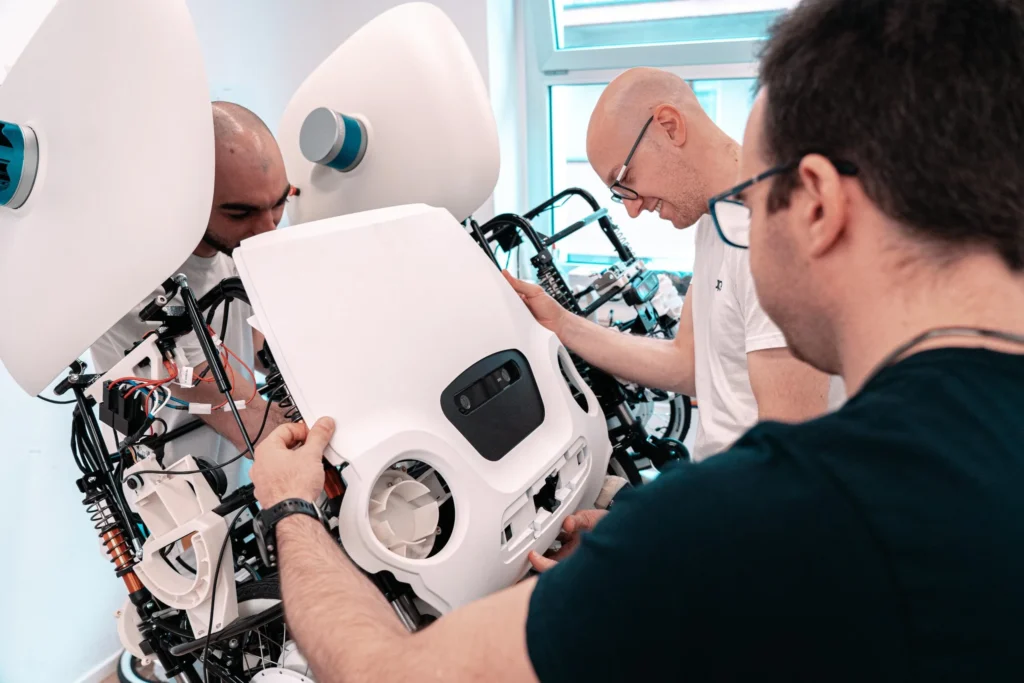
Within this landscape, Physical AI acts as a cross-functional layer that connects intelligence with real-world systems. Instead of limiting AI to software environments, Physical AI embeds intelligence into products, machinery and infrastructure.
One of the most important shifts in industrial innovation is the convergence between AI and the physical world.
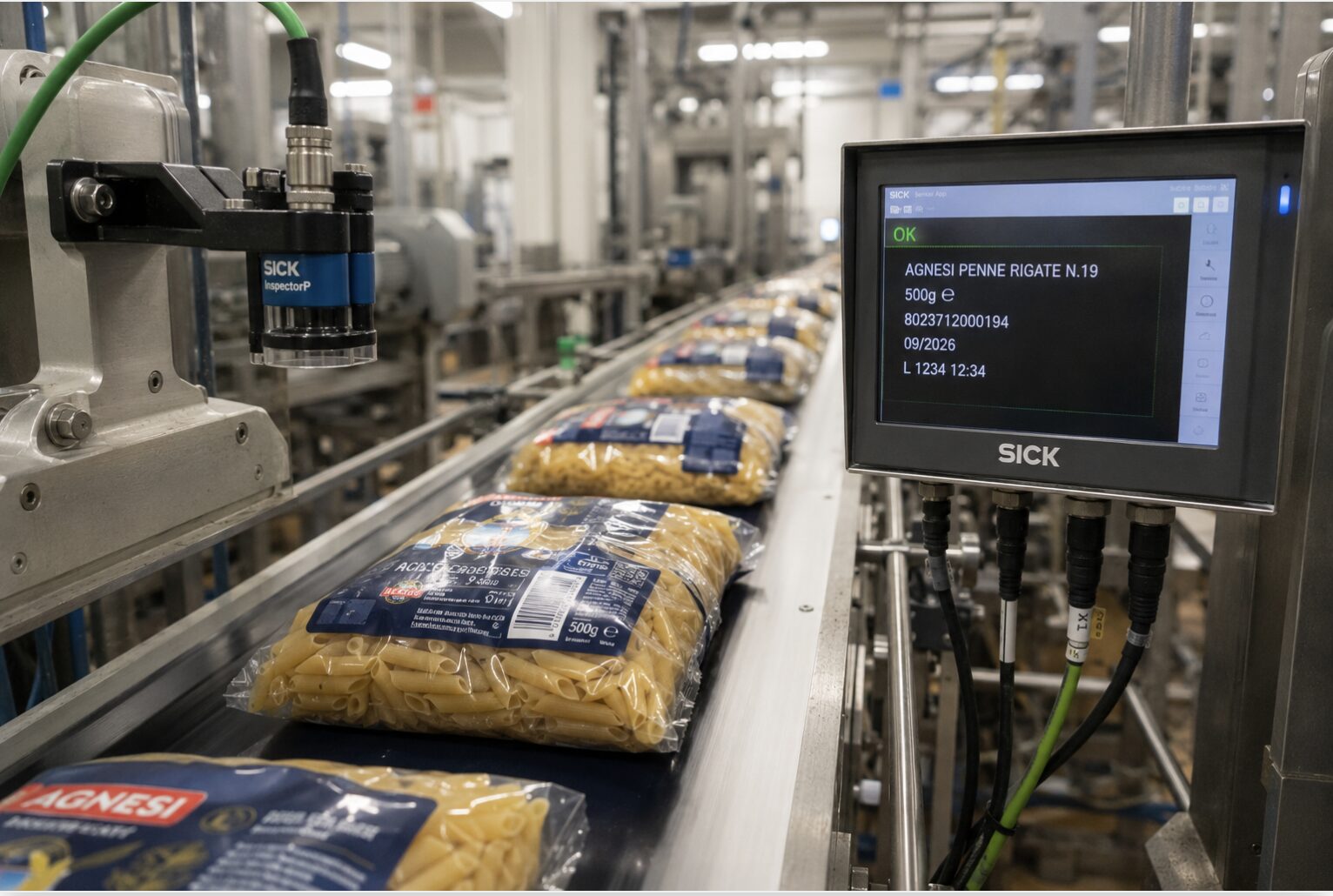
Physical AI enables machines, industrial assets and connected products to perceive their environment, interpret operational data and respond dynamically in real time. The result is a new generation of intelligent systems capable of improving efficiency, safety, usability and operational resilience.
For companies, this changes the role of the product itself. Products are no longer static objects delivered to the customer once. They become evolving systems capable of generating data, enabling services and supporting continuous optimization.
This transformation is already reshaping industrial sectors ranging from manufacturing and mobility to infrastructure monitoring and automation.
Real deep tech innovation becomes visible when research is translated into operational impact.
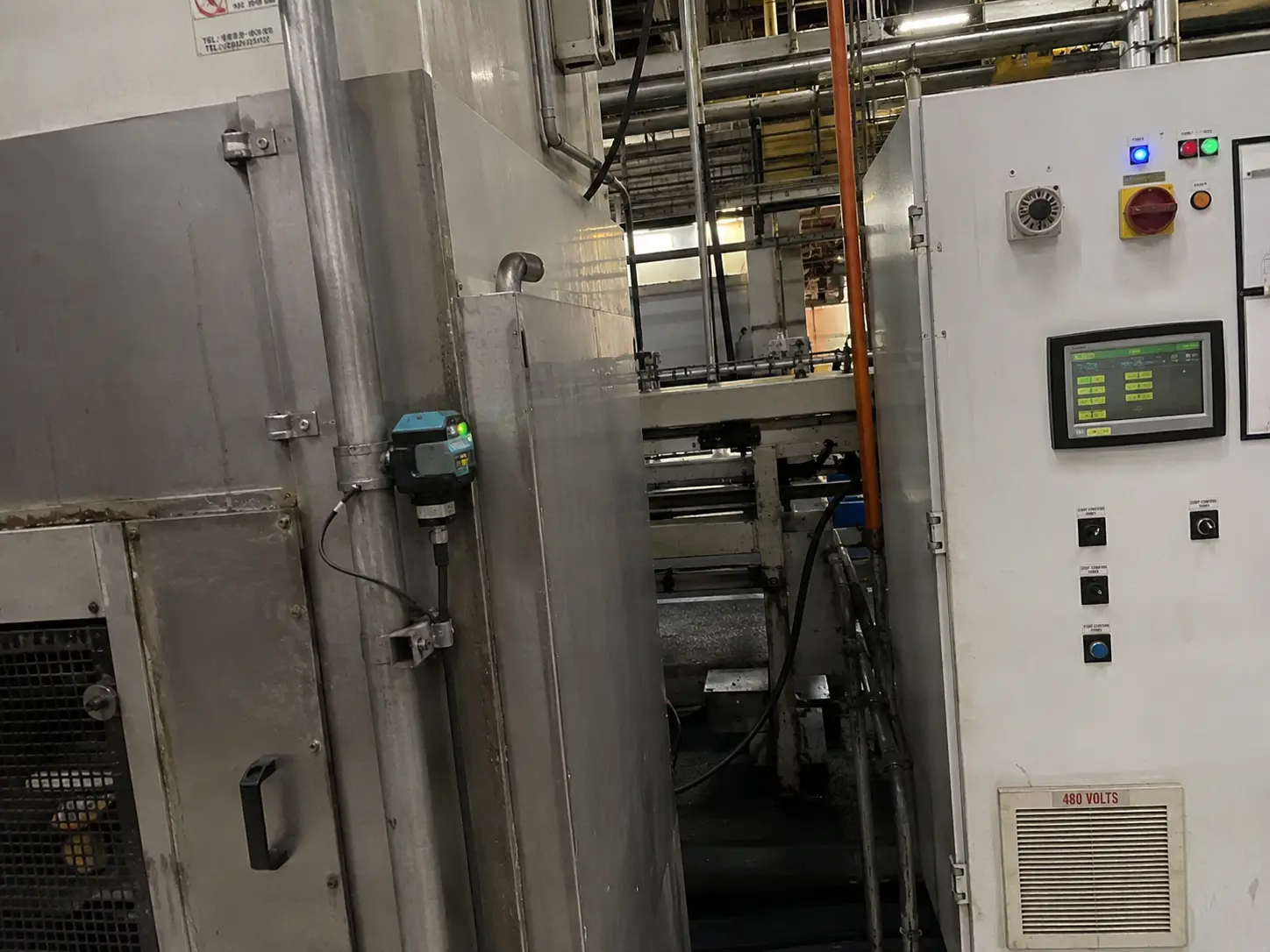
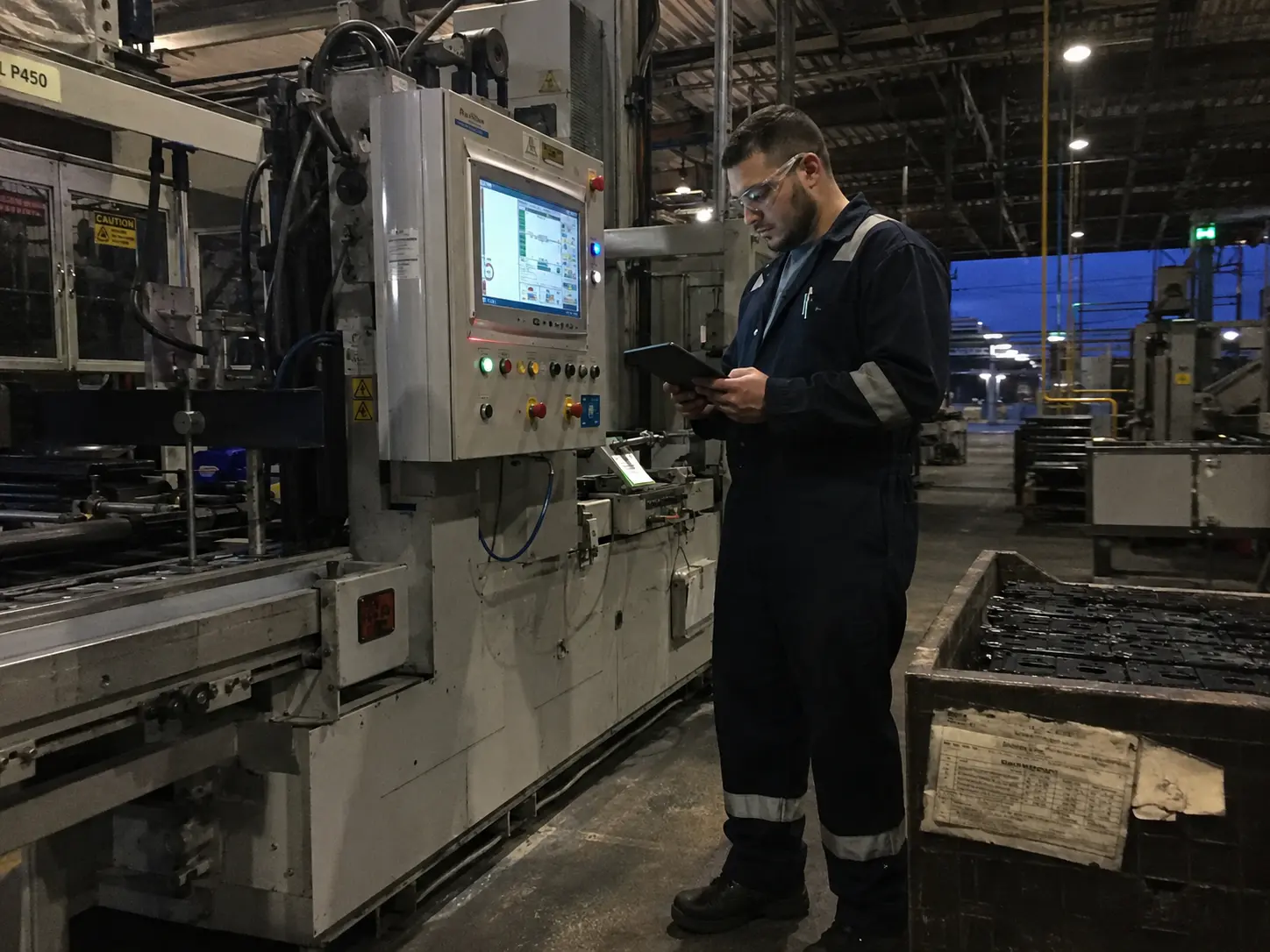
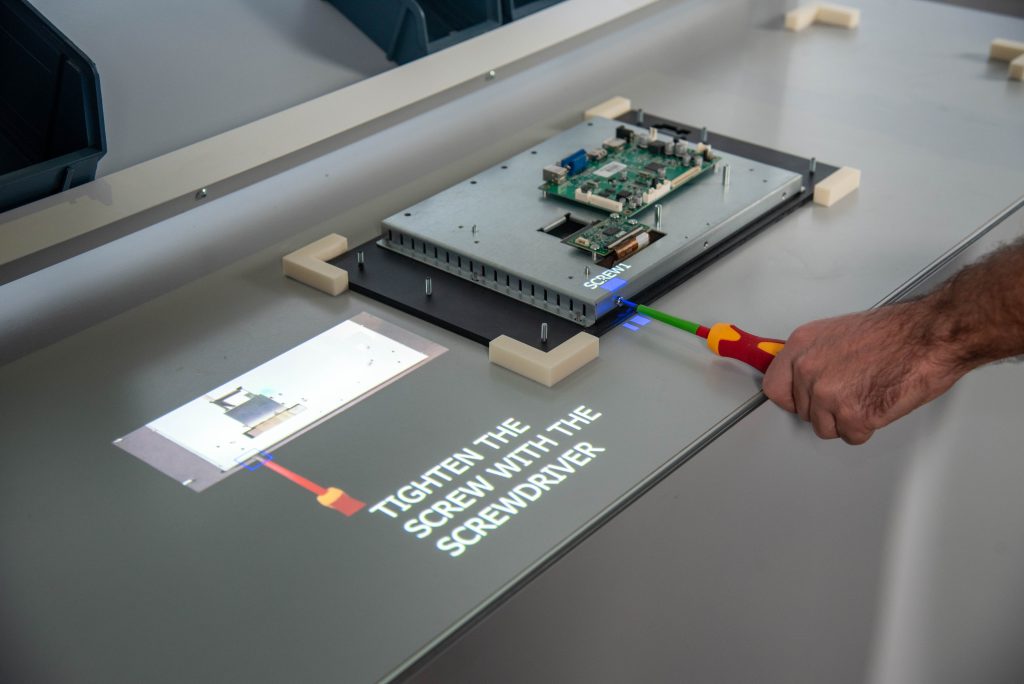
One example is Smart Robots, a company developed through the e-Novia Venture Studio. Smart Robots applies computer vision and AI to manual industrial operations, helping operators reduce errors and improve process quality in manufacturing environments.
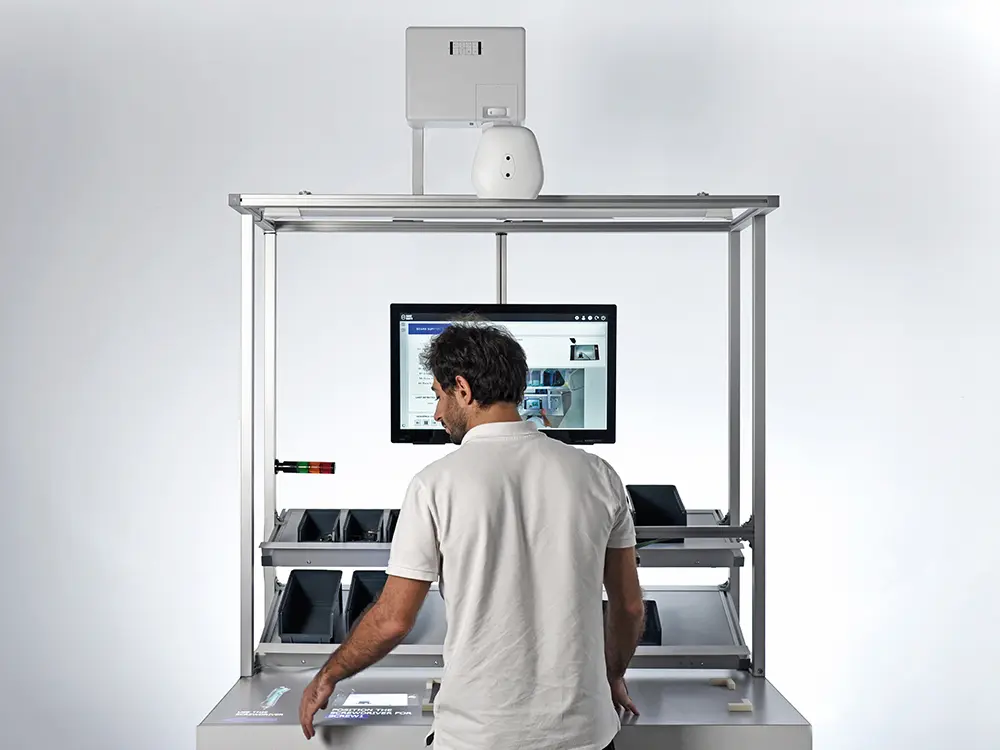
Another example is Tokbo, an initiative born from a technology developed by Agrati , a global leader in fastening solutions , with the support of e-Novia. By transforming structural bolts into intelligent connected components, Tokbo enables predictive maintenance and infrastructure monitoring services for industrial assets.

These examples highlight an important aspect of deep tech: value is created not only through invention, but through the ability to industrialize technology and integrate it into real
For industrial companies, understanding what deep tech is has become a strategic necessity.
Deep tech can help organizations:
In many sectors, the next competitive advantage will not come from software alone. It will come from the ability to integrate AI, engineering and industrial execution into products and processes.
This is particularly relevant in the transition toward Industry 5.0, where automation is increasingly designed to augment human capabilities rather than simply replace them.
Collaborative robotics, for example, is becoming a key component of industrial transformation. As explored in this article on collaborative robotics and Industry 5.0, the goal is to build more adaptive, resilient and human-centered industrial systems.
Companies can approach deep tech through multiple innovation models: open innovation programs, university collaborations, startup partnerships, corporate venture capital or venture building.
Within this landscape, the venture studio model has emerged as one of the most structured approaches for turning emerging technologies into scalable businesses.
In e-Novia’s case, the venture studio acts as a convergence platform between research, industry and entrepreneurship. The objective is not simply to support early-stage startups, but to guide deep tech initiatives from technical validation to industrialization and go-to-market execution.
This approach becomes particularly important in deep tech because the main challenge is rarely the initial idea itself. The real challenge is execution: validating the technology, integrating it into industrial systems and creating a viable path to scale.
Deep tech matters because it addresses problems that cannot be solved through incremental innovation alone.
As industries become more connected, intelligent and data-driven, companies will need technologies capable of operating in complex physical environments , not only in digital ecosystems.
This is where deep tech creates strategic value.
It connects scientific research with industrial application. It transforms engineering into scalable products. And it enables companies to build defensible innovation advantages in markets where execution, integration and technological depth increasingly matter.
For organizations navigating industrial transformation, deep tech is no longer a niche topic. It is becoming a central capability for long-term competitiveness.
👉 Discover how e-Novia supports companies, researchers and industrial partners in developing Physical AI technologies and scalable deep tech initiatives.