Physical AI represents the next frontier in technological innovation, and Italy is uniquely positioned to lead this emerging market. During AI Week in Milan, Alec Ross, the former tech advisor to Barack Obama, highlighted a remarkable opportunity for our country
The Four Dimensions of Artificial Intelligence: Where to Compete
Ross outlined a clear map of the global AI landscape, identifying four distinct categories:
- Perceptual AI uses advanced sensors to interpret the surrounding environment, creating a digital understanding of the physical world through computer vision, acoustic analysis, and environmental detection.
- Agentive AI makes autonomous decisions based on complex algorithms, operating independently in sectors like automated trading and logistics management.
- Generative AI creates original content—text, images, or code—where the United States and OpenAI dominate with systems like ChatGPT.
- Physical AI is the ultimate integration: AI that interacts directly with the real world through robots, intelligent machinery, and industrial automation systems.
Physical AI in Italy: From Manufacturing Legacy to Global Leadership
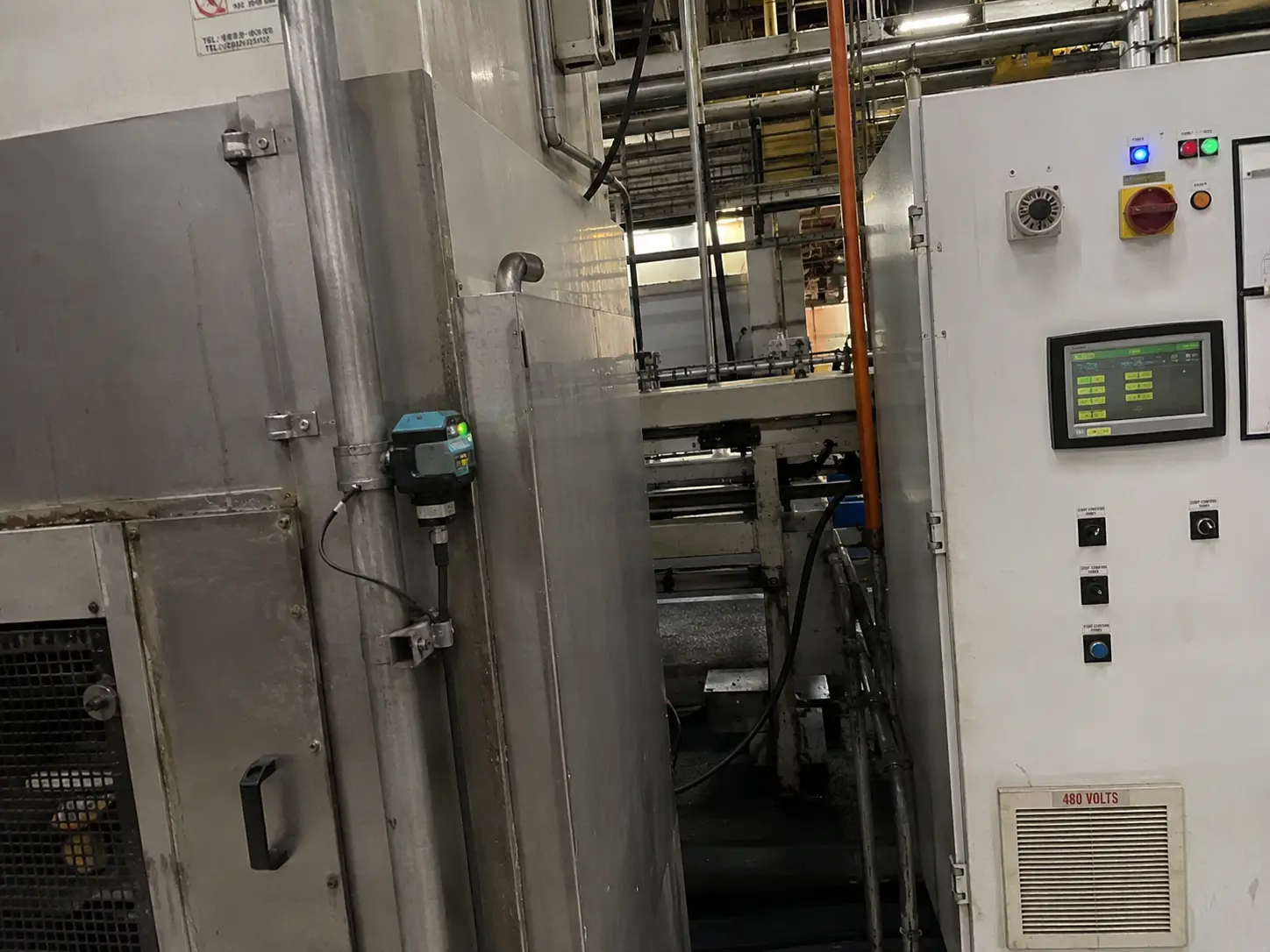
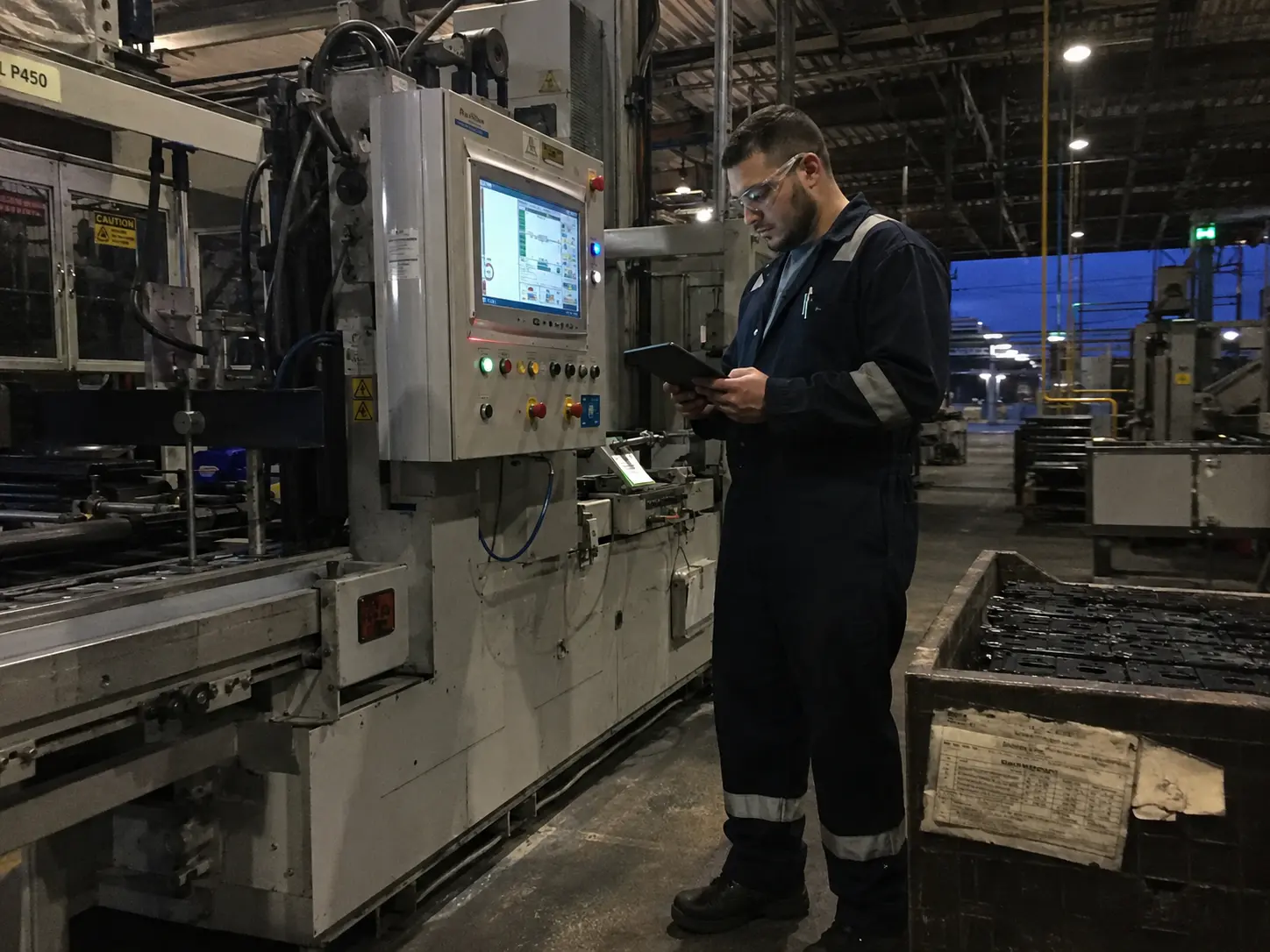
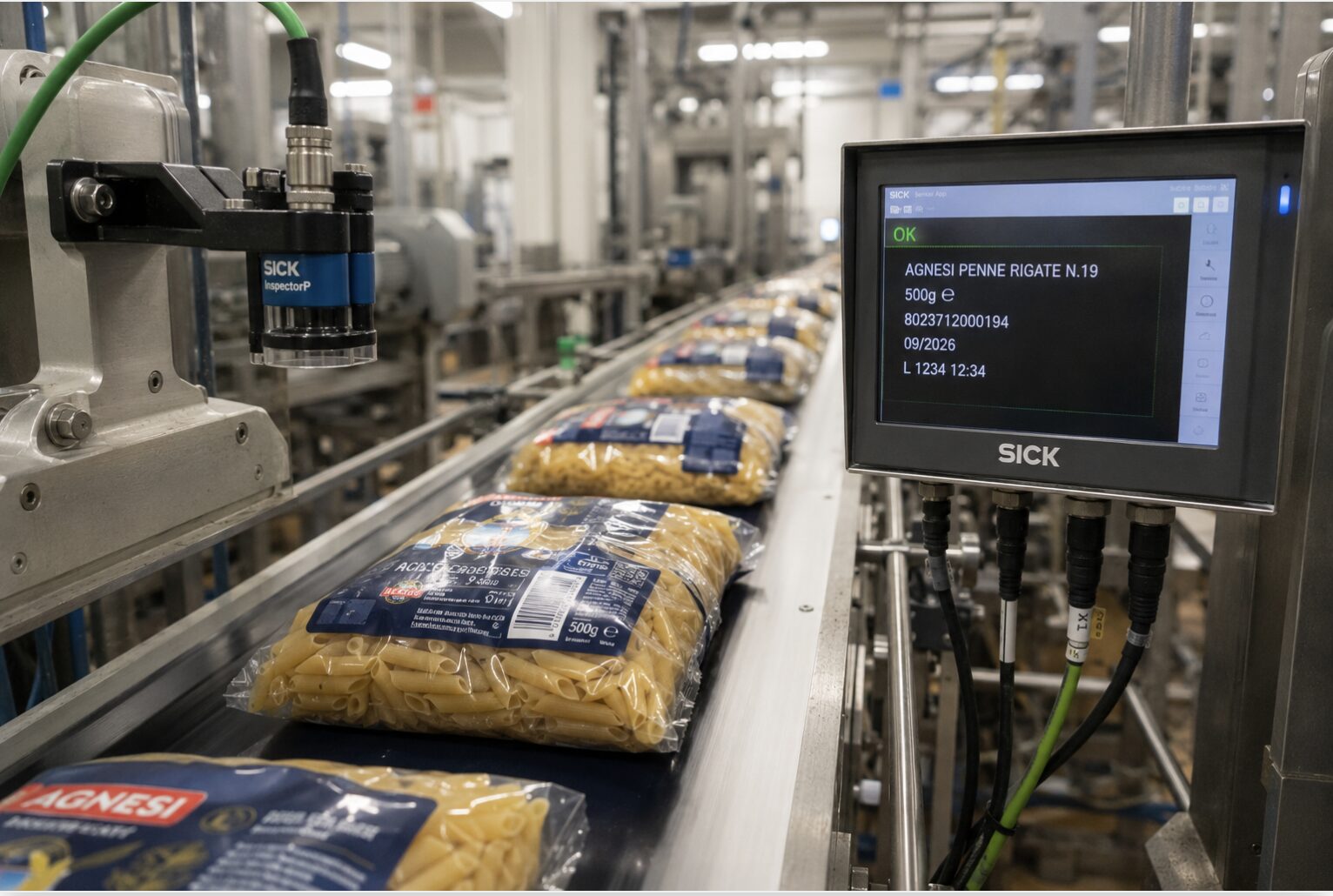
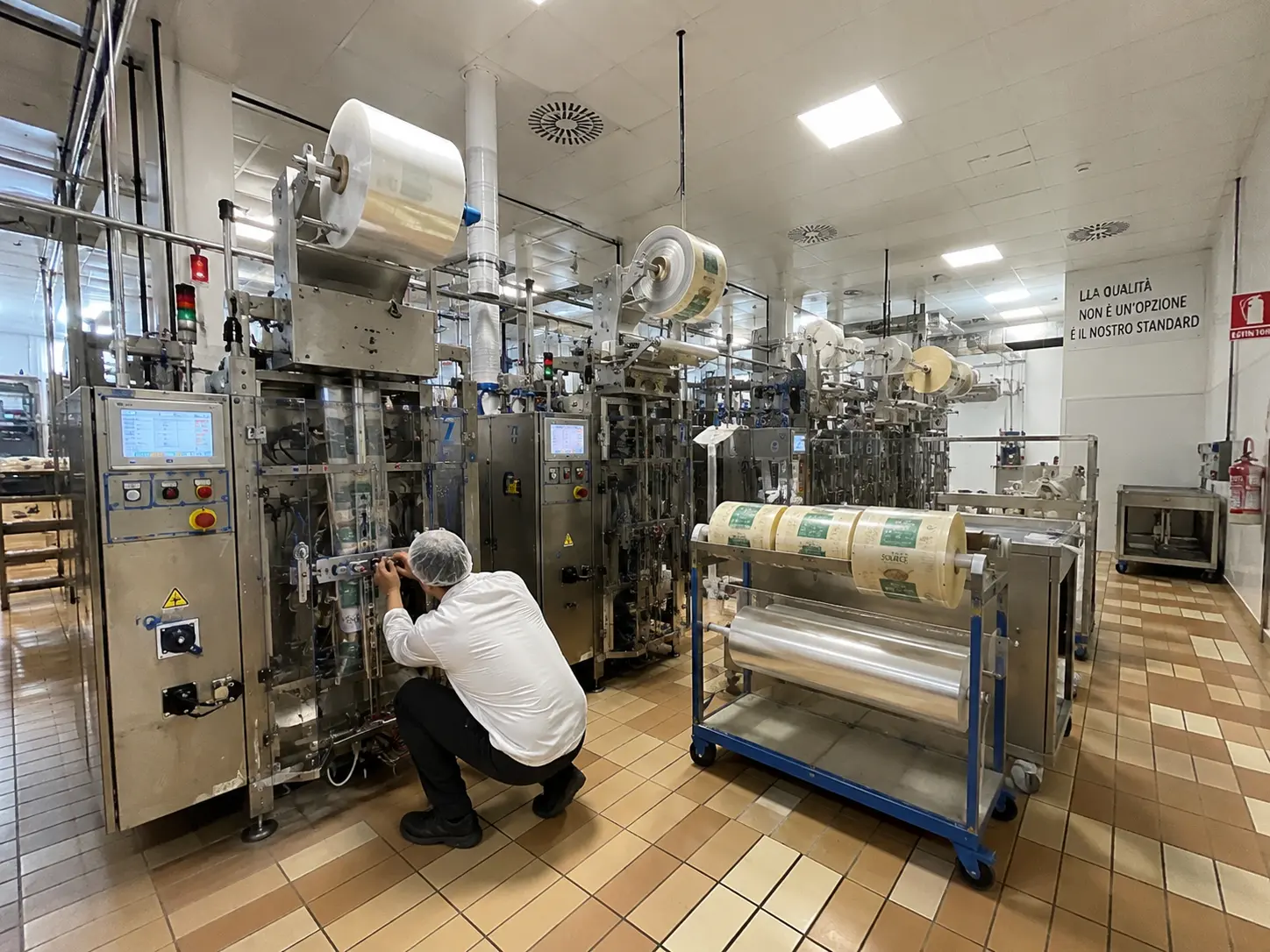
Physical AI is not science fiction—it’s an industrial reality transforming factories, warehouses, and production systems. A key example is Walmart warehouse robots being produced in Italy’s Abruzzo region, showcasing how Italian manufacturing excellence is evolving toward Physical AI solutions.
This success stems from three distinctive competitive advantages Italy holds:
- Strong manufacturing heritage: Decades of expertise in precision production and advanced mechatronics provide a solid foundation for integrating AI into physical systems.
- An ecosystem of innovative SMEs: Italian small and medium enterprises demonstrate greater agility than industrial giants, enabling rapid experimentation and flexible implementation of Physical AI solutions.
- World-class universities: Italian institutions like polytechnical schools and research centers produce talent in robotics, automation, and AI that directly fuels industrial innovation.
Beyond the U.S.-China Competition: Europe’s Third Way
While the U.S. and China vie for dominance in generative and agentive AI, Europe—and Italy in particular—has an opportunity to lead in Physical AI. This field demands different competencies:
- Hardware-software integration rather than sheer computational power
- Industrial process expertise rather than massive datasets
- Security and reliability over speed of deployment
e-Novia: Driving the Physical AI Transformation
As a group specializing in Physical AI, e-Novia is already transforming traditional companies into leaders in this field. Our approach combines:
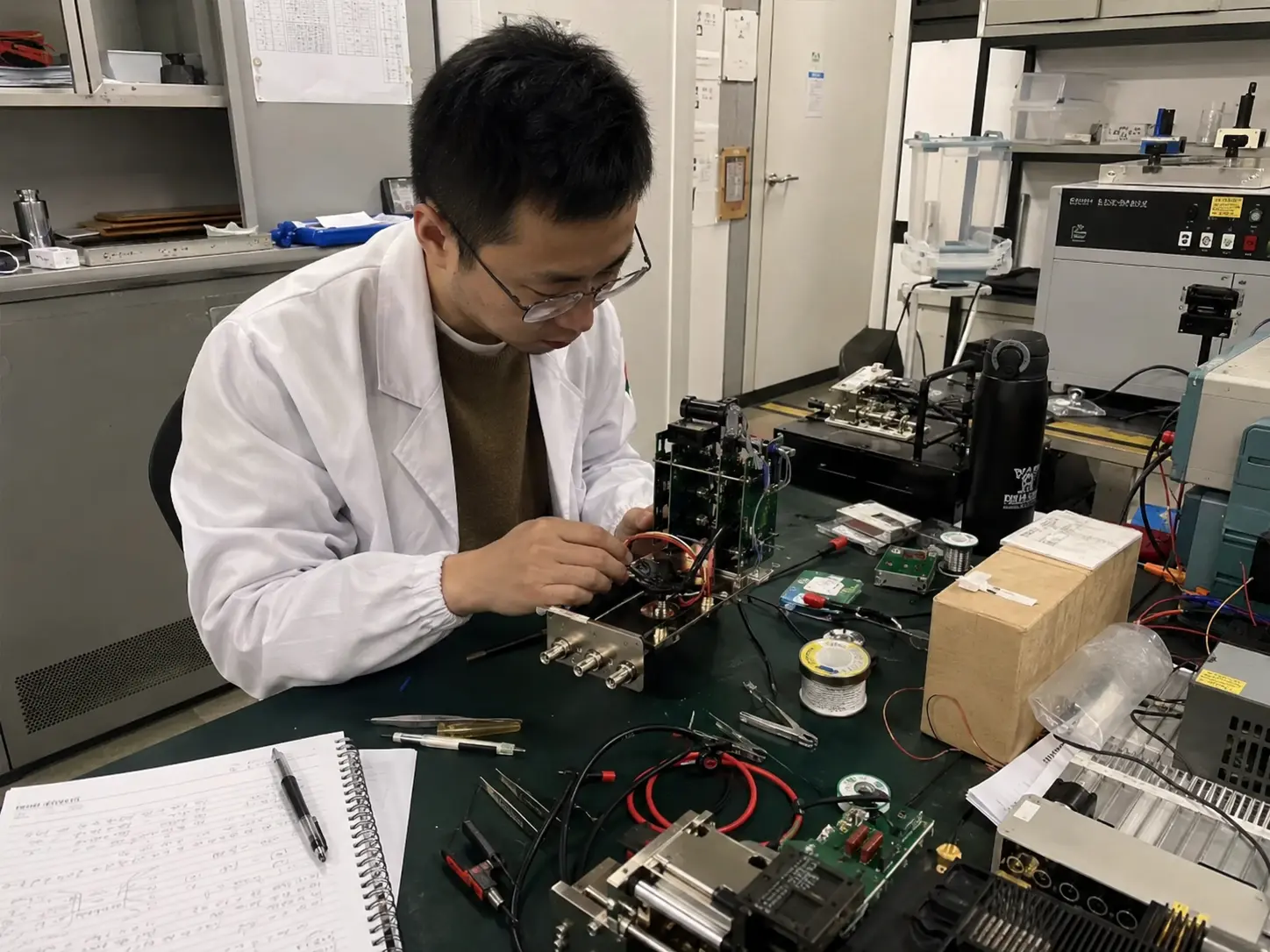
- Multidisciplinary teams integrating expertise in AI, mechanical engineering, business development, and investments
- Technological scouting through university partnerships to identify breakthroughs in robotics, automation, and embedded AI
- Market validation to transform academic research into concrete, scalable industrial solutions
The Future is Physical: Real Opportunities for Italian Industry
Physical AI represents a market worth hundreds of billions of euros over the next decade. For Italy, this translates into:
- 4.0 reindustrialization with fully autonomous factories
- Global technology exports of Physical AI solutions
- International venture capital investment attraction
- Qualified job creation in high-value-added sectors
The window of opportunity is open now. Early movers in Physical AI won’t just adopt a technology—they’ll define the future of European industry.a.