Building Physical AI ventures at e-Novia Investor Day
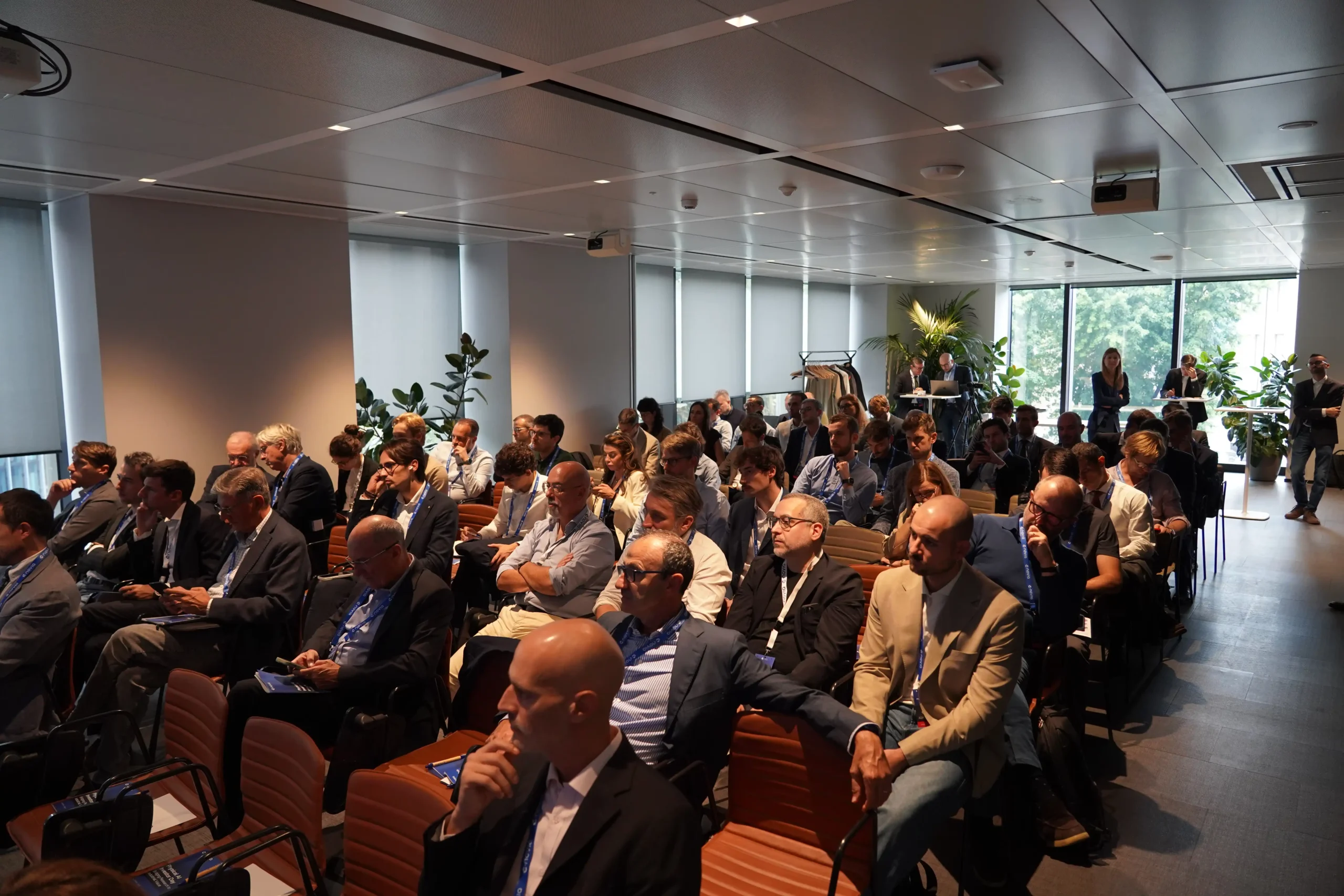
How e-Novia’s Physical AI Investor Day connected startups with investors and industry...

The mass adoption of the Internet of Things (IoT) solved the problem of industrial connectivity. However, it created a new structural issue: data asymmetry. Companies collect terabytes of data from their plants every day, but they struggle to extract operational value in real time. In this scenario, simply collecting data no longer provides a competitive advantage.
The strategic response to this critical issue is the Artificial Intelligence of Things (AIoT). This is not an incremental update. It is a systemic transformation. AIoT integrates Artificial Intelligence directly into the IoT infrastructure. If sensor networks are the nervous system of a plant, AI becomes the brain. It turns passive networks into ecosystems that can understand data and act as semi-autonomous systems. These systems always operate under human supervision, using deterministic fallbacks to ensure maximum safety and compliance.
Traditional data architectures constantly transfer data from machines to centralized Cloud servers for processing. This approach has clear limits in mission-critical environments. Network latency or lost connections can lead to expensive machine downtime or severe safety risks.
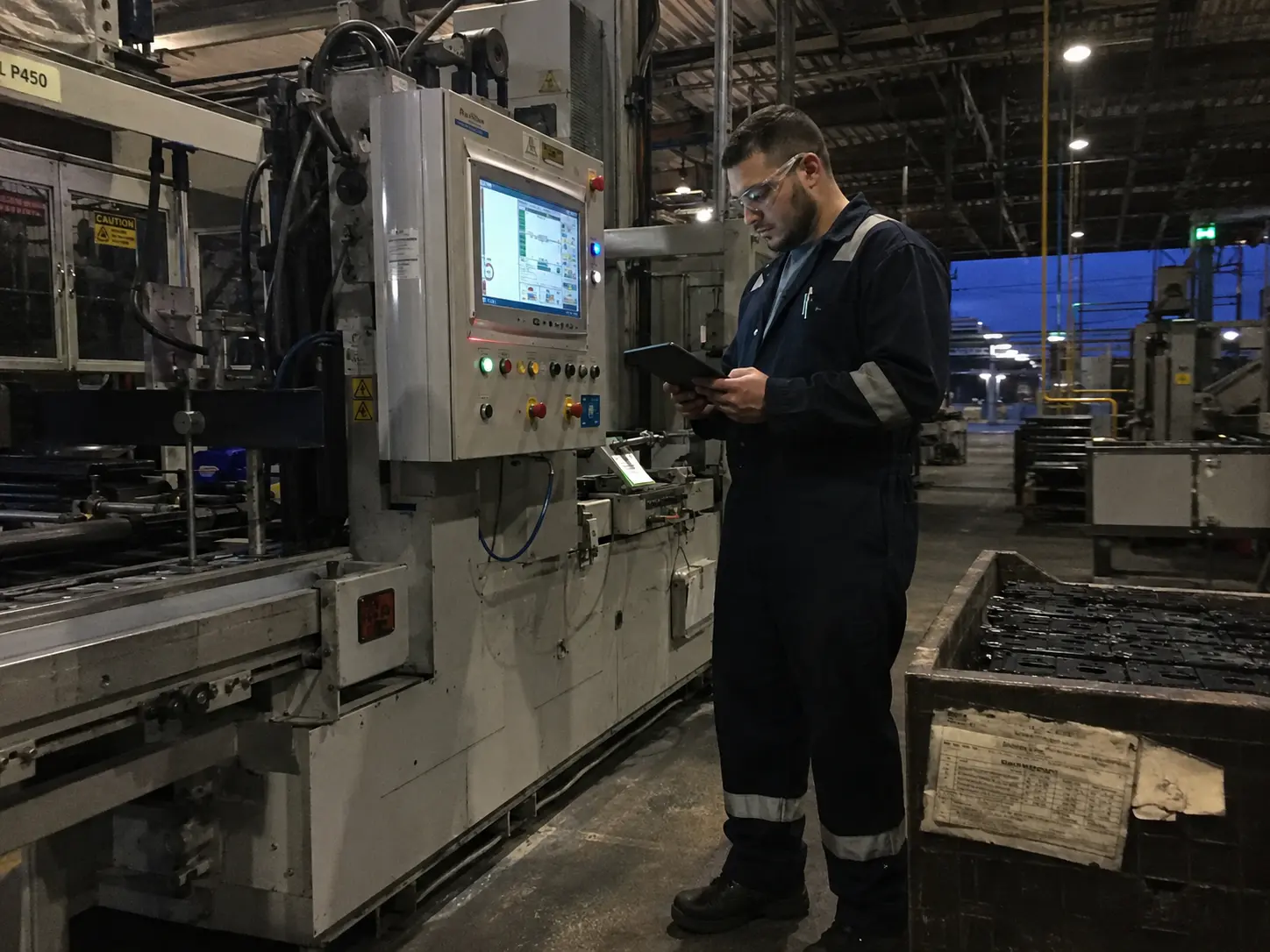
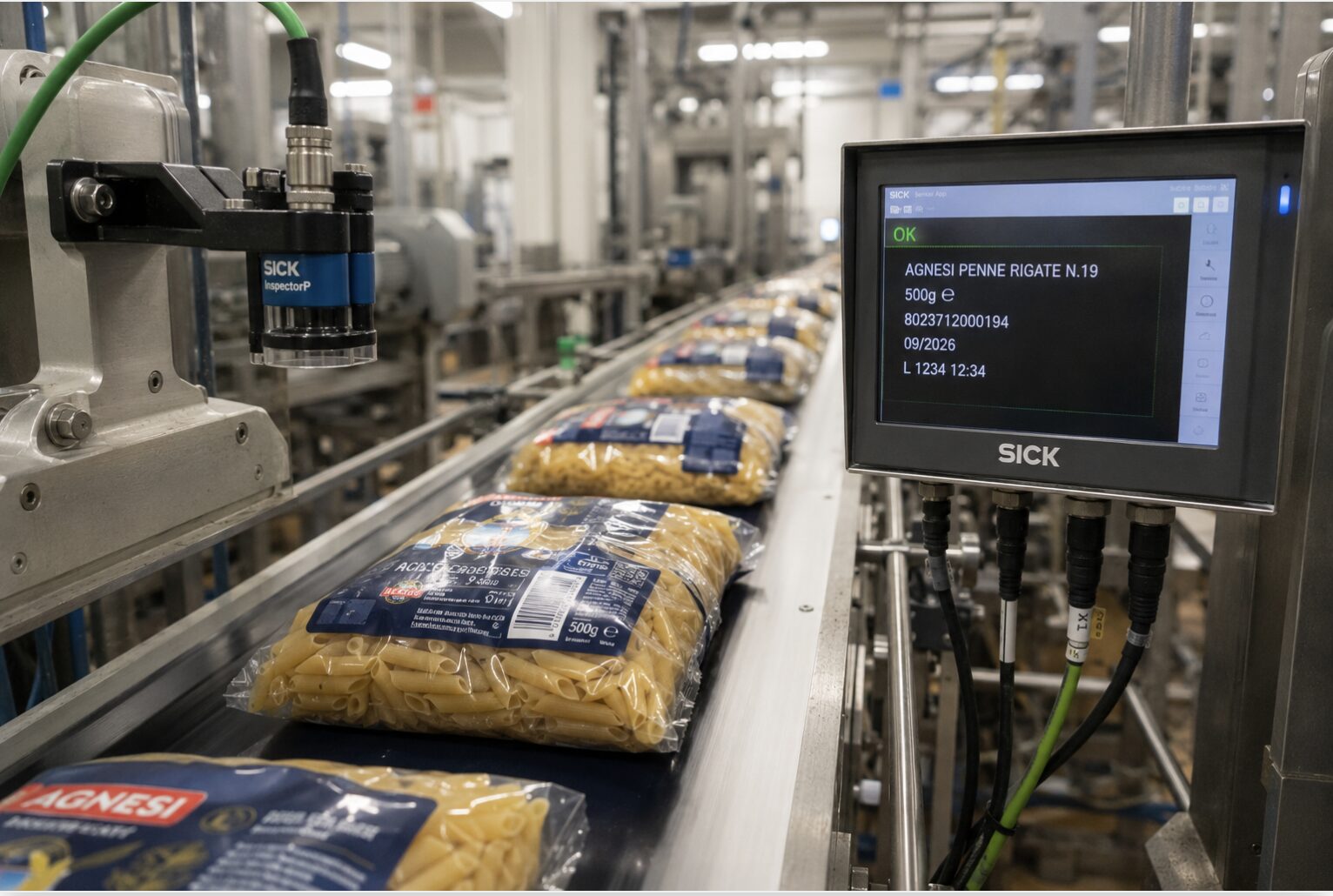
AIoT reverses this dynamic. It brings computing power directly to the hardware and industrial processes. This is the shift toward a methodological model that e-Novia calls Physical AI. In this vision, algorithms and mechatronics merge. Machines are no longer simple tools controlled by central dashboards. They become intelligent agents. They can diagnose themselves and help operators adapt dynamically to changes in the production environment.
To enable AIoT, organizations must redesign their system architecture. They need to distribute intelligence across three main layers:
Moving the decision center to Edge Computing is not just a technical choice. It is a strategic move for risk management. Processing data at the source greatly reduces operational latency, ensuring sub-second responses for robotics. It also optimizes bandwidth costs and minimizes the exposure of data traveling to the Cloud. However, adding more devices to the field inevitably increases the physical and firmware attack surface. Because of this, true security does not come automatically from using Edge Computing. It requires an architecture built strictly on Security by Design principles.
The maturity of AIoT is measured by its direct impact on a company’s financial and operational metrics. It radically improves profitability and Overall Equipment Effectiveness (OEE). Integrating intelligence into the physical world unlocks new levers of value:
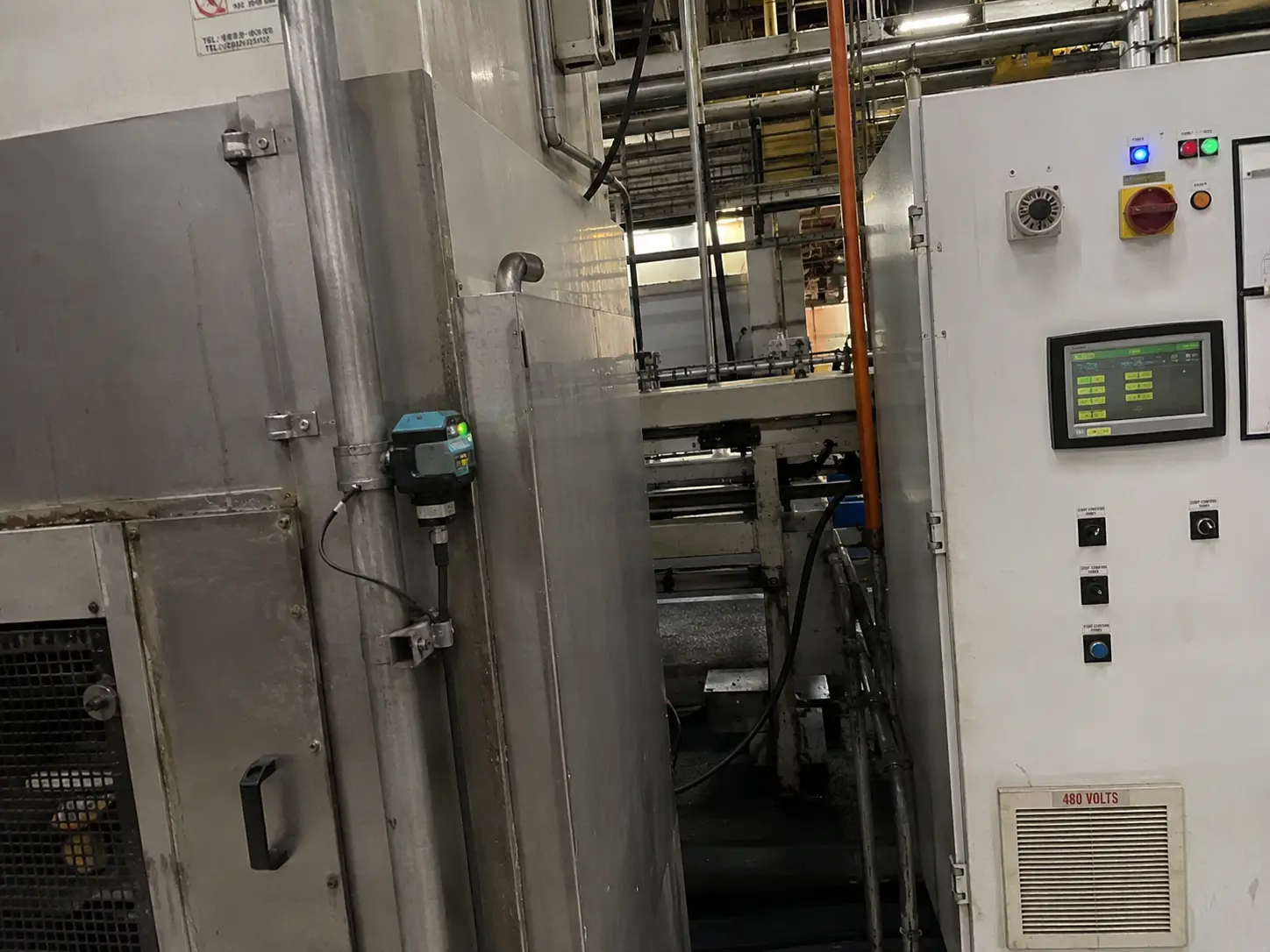
The transition to AIoT faces systemic friction. Business leaders often deal with highly fragmented industrial systems (Operational Technology, OT). These include legacy machines that do not talk to each other or to IT software.
Trying to apply artificial intelligence to non-standardized data creates unreliable algorithms. In addition, there is an urgent need to ensure technological and data sovereignty. Strict regulations, like the European Cyber Resilience Act (CRA), mandate security by design for all connected products. Industrial companies cannot afford to give control of their process know-how to third-party Cloud platforms. This makes the adoption of Zero-Trust architectures absolutely necessary.
Managing this transition requires end-to-end orchestration. At e-Novia, we support companies in overcoming integration barriers. We design solutions where hardware and algorithms are built to work together.
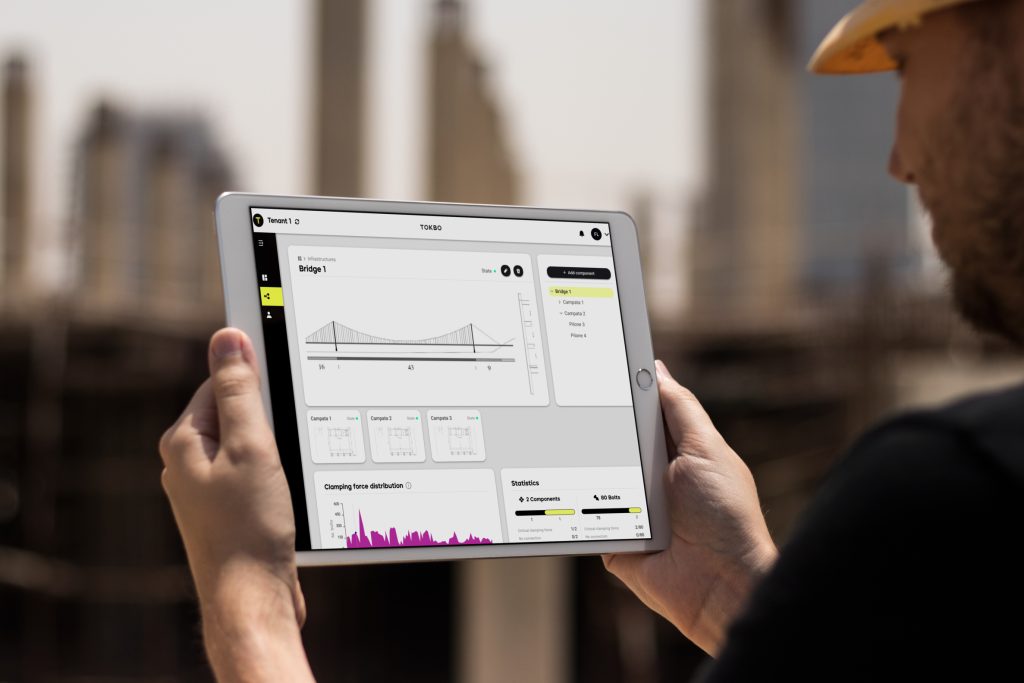
To neutralize technological fragmentation, we developed Think.Link, a modular IoT platform designed natively to host Artificial Intelligence models. More than just software, Think.Link acts as a systemic orchestrator. Its Device Integration Hub standardizes different industrial protocols to create a solid database. Meanwhile, the Digital Twin Manager allows companies to simulate complex scenarios before deployment.
Acting as a bridge between advanced research and industrial scale, e-Novia works alongside business leaders. From identifying the use case to engineering the connected product, we turn technological innovation into measurable business impact.