Product Innovation: A Strategic Guide to Turning Ideas into Industrial Value
Product innovation is currently one of the primary drivers of corporate competitiveness within the B2B and industrial landscape. In a global ma...

Product innovation is currently one of the primary drivers of corporate competitiveness within the B2B and industrial landscape. In a global market characterized by shrinking technology life cycles, escalating customer expectations, and industries grappling with rising tariffs and energy costs, merely defending existing market share is no longer viable. For decision-makers and corporate leaders, innovating requires a fundamental rethinking of the very nature of the goods offered, transforming them from mere physical objects into intelligent systems capable of generating continuous value.

Whether it involves advanced components, industrial machinery, mobility devices, or energy solutions, New Product Development (NPD) now demands a paradigm shift. We are no longer solely discussing mechanical design or aesthetic upgrades, but a profound convergence of physical engineering, advanced electronics, and artificial intelligence.
Traditional definitions, such as those provided by the OECD (Organisation for Economic Co-operation and Development) manuals, describe product innovation as the market introduction of a good or service that is significantly improved with respect to its technical specifications, materials, or performance. While historically this translated into a more powerful engine or a lighter material, today this academic definition collides with a far more complex and challenging industrial reality.
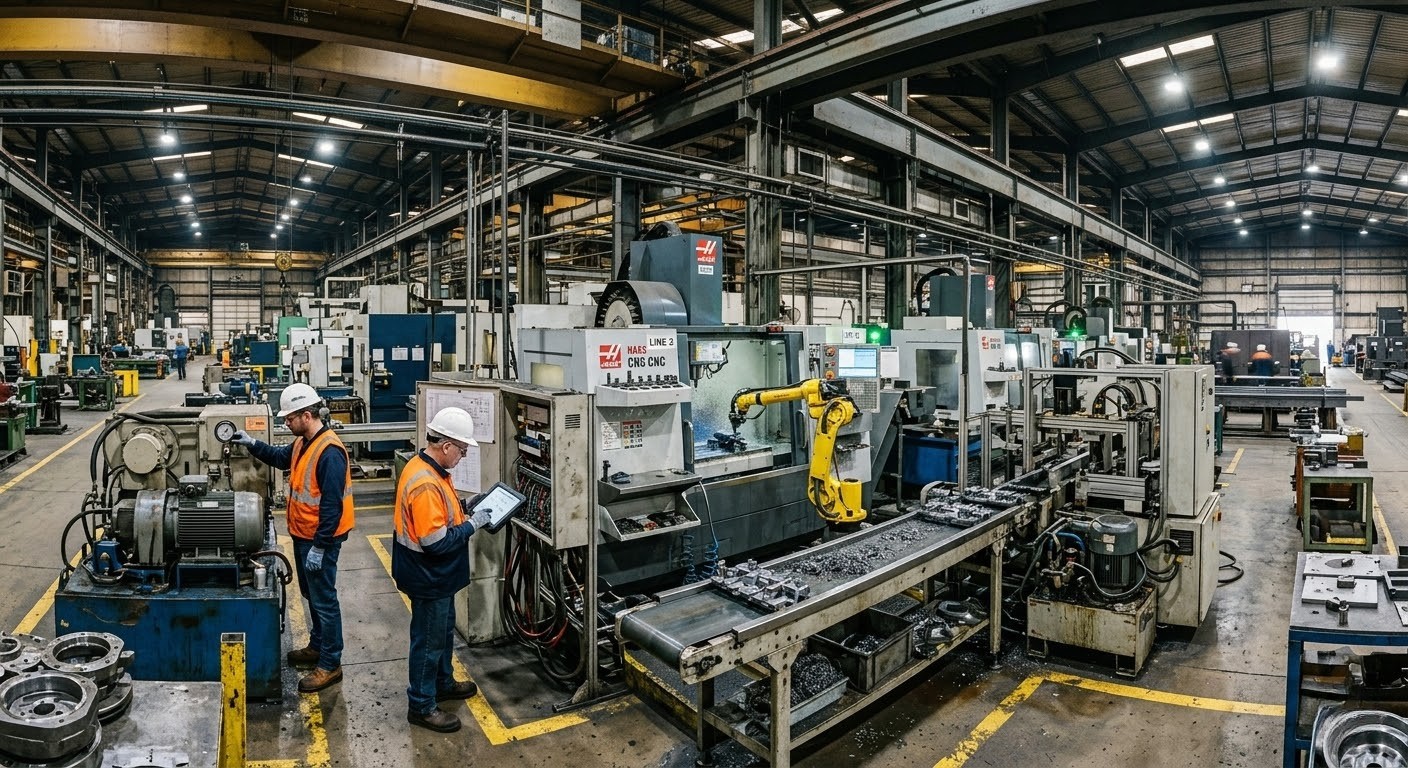
Modern products are no longer isolated entities. They are becoming interconnected nodes within broader ecosystems. True innovation today involves infusing intelligence into mechanical systems, equipping them with perceptive and decision-making capabilities. This transition, from passive hardware to intelligent mechatronic systems, is what separates companies capable of leading the market from those destined to follow it.
Confining innovation to online processes drastically limits its business impact. In an ecosystem where the IoT market is experiencing double-digit growth, driven by Smart Factories, Smart Cars, and intelligent Buildings, product innovation becomes the fundamental driver for generating new revenue streams, extending beyond mere cost efficiency.
Confirming this strategic trajectory is McKinsey & Company, whose research on the Internet of Things highlights how the global economic value generated by connected systems in the physical world (particularly in B2B and manufacturing contexts) is projected to reach trillions of dollars by 2030.
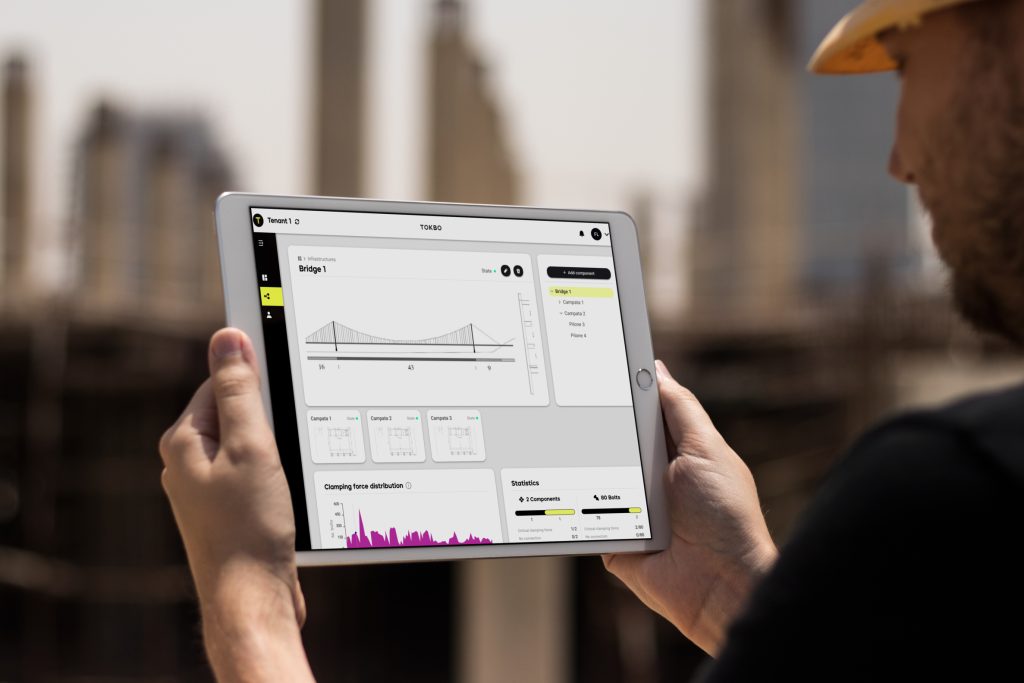
In this scenario, the true revolution is no longer confined to servers or cloud dashboards but enters the products themselves through Physical AI. Artificial intelligence intervenes precisely where value materializes: it merges with sensors and actuators, and data is transformed into direct, physical actions on infrastructures.
Through Physical AI, AI does more than display insights on a digital dashboard; it becomes the strategic lever to differentiate in increasingly saturated markets. This technology enables advanced business models such as servitization (Product-as-a-Service), not only transforming hardware sales into a recurring, guaranteed service but also drastically elevating the quality of the user experience. The interaction shifts from passive machinery management to engaging with a proactive, autonomous system capable of anticipating operational needs in real time.
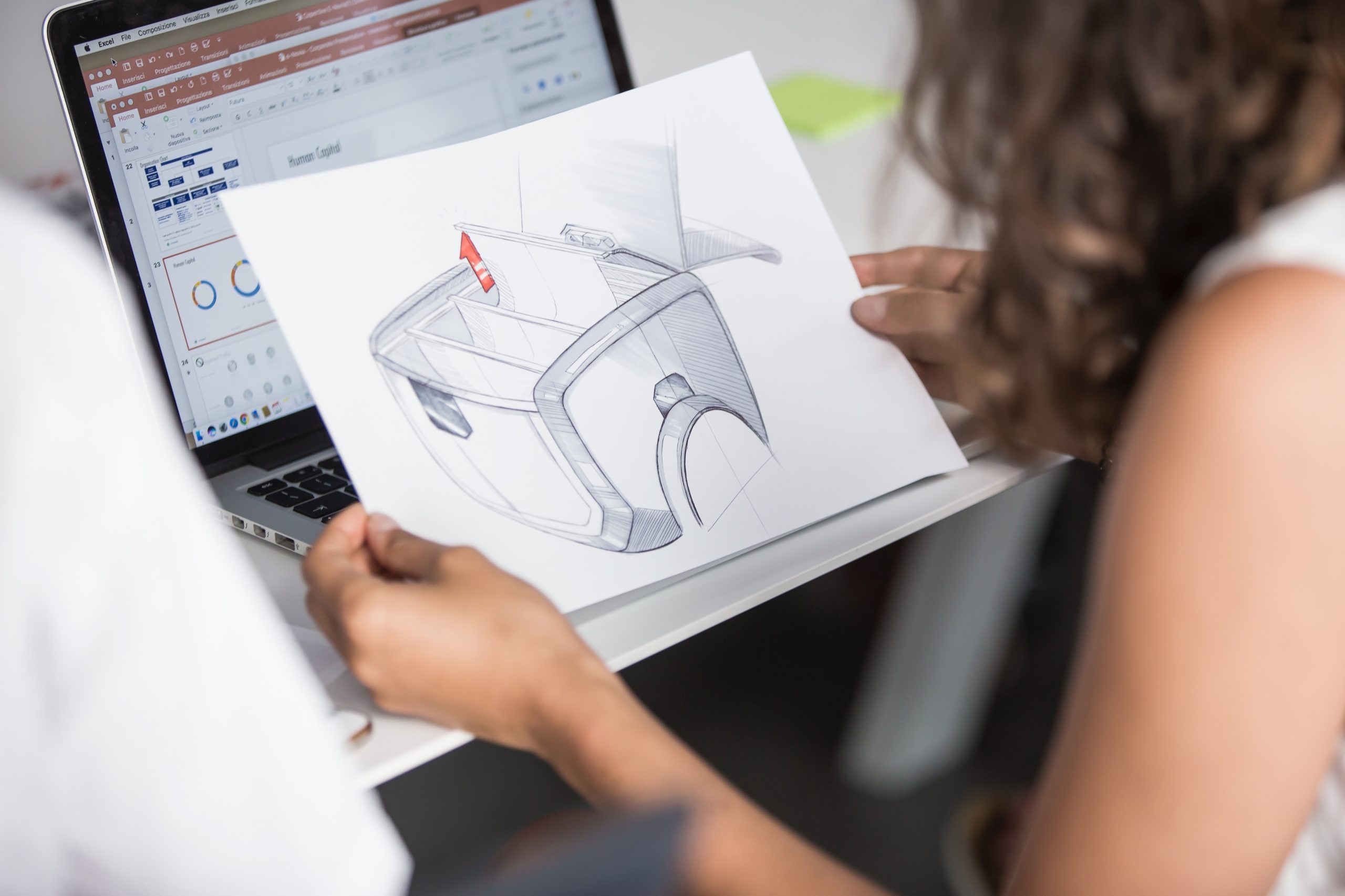
One of the most common pitfalls in developing complex hardware and software solutions is becoming enamored with the technology while losing sight of the end-user. Pioneers of product innovation, such as Jony Ive, have historically demonstrated that a system’s success does not reside in its raw engineering power, but in the profound “care” poured into the user experience.
At e-Novia, we apply this same vision and translate it into the deep tech industrial world. Our methodology is based on the premise that technological complexity must never manifest as an arbitrary imposition. Instead, it demands rigorous effort to remove every redundant element, ensuring the technology fades away to leave a clear, pure, and inevitable user experience. We maintain that the true challenge of product innovation today is not making a complex technology work, but making it transparent.
Frequently, technically flawless engineering projects, equipped with cutting-edge sensors and sophisticated data architectures, are ignored or bypassed by operators in the field. The primary reason is cognitive friction. A new industrial device requiring a steep learning curve, demanding extra steps compared to routine processes, or interrupting the natural flow of attention is not perceived as an aid, however intelligent it may be, but as an obstacle.
Today, industrial professionals and operators expect the product to speak their language and adapt to the operational context. The success of an innovation is measured by the naturalness of its adoption: the interaction must be fluid, seamlessly blending data processing with critical, split-second decisions, precisely as intentional design removes every barrier between the user and the function.
To ensure an idea transcends a mere concept on paper, a rigorous methodological approach spanning the entire development lifecycle is essential, integrating strategic design and robust engineering.
Managing all these phases internally requires resources, multidisciplinary expertise, and timeframes often incompatible with market windows. Through our innovation workshops, we partner with companies from the earliest stages to identify the highest ROI use cases, building clear and actionable roadmaps.
Subsequently, leveraging our expertise in advanced engineering and Physical AI, we guide partners through the entire product innovation consulting journey, transforming technological complexity into reliable solutions, free from cognitive friction, and ready to generate measurable industrial impact.