logo
logo

The Future of Last-Mile Delivery: From Global Trends to Real-World Implementation

Date
1 April 2026
Author
e-Novia Editorial Team
Share

While supply chain strategies are highly optimized, the ultimate logistical challenge lies in the final stretch: the journey from the distribution hub to the consumer.

With the explosion of e-commerce, last-mile delivery has become the critical point of urban operations. Traffic congestion, environmental regulations, and rising costs mean this final leg can account for over 50% of the total delivery expense. As highlighted in a recent Forbes analysis, the last mile is the ultimate testing ground for technological innovation.

To meet these challenges, we at e-Novia promote a data-driven, collaborative approach between technology partners and institutions. Let’s explore the innovations reshaping this sector and how we put them to the test in a real-world ecosystem.

The Four Pillars of Urban Logistics Innovation


Four fundamental macro-trends are currently driving global investment toward efficiency and sustainability:

  1. Micro-Fulfillment Centers (MFC): Compact urban facilities that bring products closer to consumers to shorten delivery distances.
  2. Multimodal Fleets: Integrating various delivery methods to handle demand spikes flexibly.
  3. Autonomous and Off-Highway Vehicles: Implementing self-driving platforms that navigate efficiently in pedestrian zones or controlled urban areas with zero emissions.
  4. Parcel Lockers: Secure, 24/7 smart lockers that consolidate deliveries, reducing traffic and failed delivery attempts.

From Innovation to Action: e-Novia’s Role in the GREEN-LOG Project


The real breakthrough happens when these technologies work within a single ecosystem. This is the goal of GREEN-LOG, a European project designed to accelerate the transition to zero-emission urban logistics.

Within this international framework, e-Novia played a key operational role by managing and coordinating the tests at the Ispra Living Lab, located on the European Commission’s JRC (Joint Research Centre) campus. In this open-air laboratory, we turned theoretical logistics trends into operational reality, successfully completing two full demonstration cycles.

YAPE Technology and Off-Highway Excellence


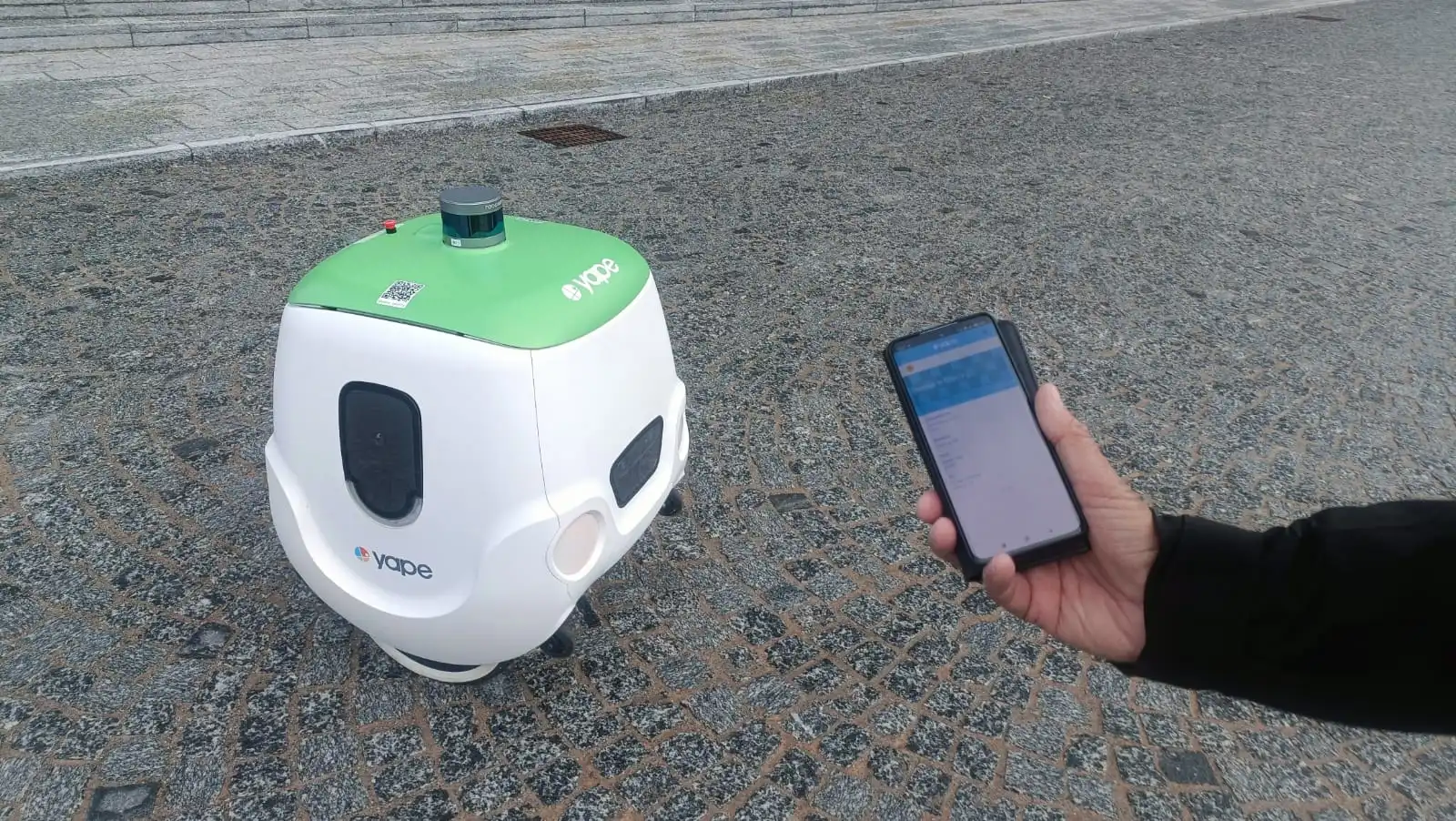
A core component of the trial was the technology provided by YAPE, a group company specializing in autonomous driving software for off-highway vehicles.

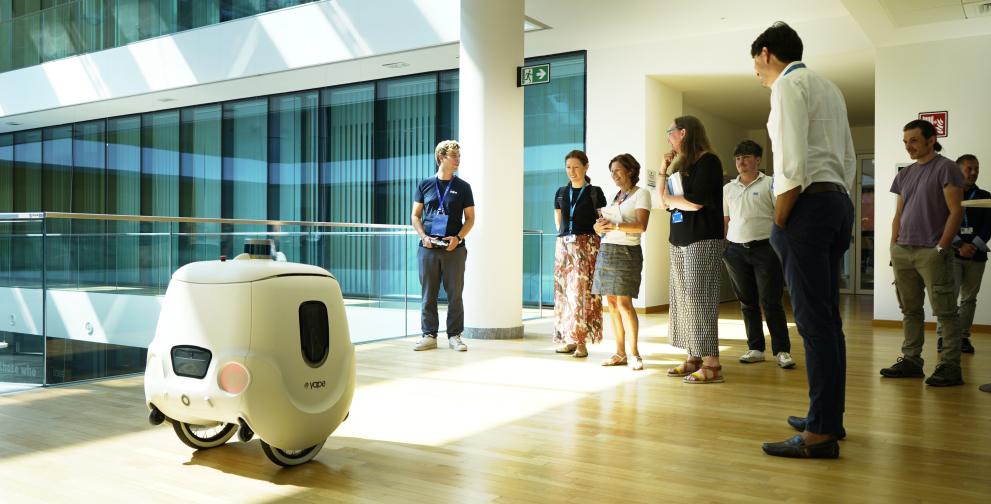
Drone di last-mile delivery di YAPE testato all'Ispra Living Lab

At the Ispra Living Lab, we demonstrated how our Physical AI vision addresses logistical hurdles:

  • Specialized Autonomous Driving: Robotic platforms, powered by YAPE software, navigated autonomously and safely among pedestrians and campus infrastructure. This validated the effectiveness of off-highway systems in complex, controlled urban environments.
  • Logistical Integration: We connected the campus canteen to a network of 7 strategic delivery points, orchestrating the flow through three interconnected digital ecosystems: the order platform, the vehicle management system, and the user device data architecture.

Results and Scalability: The Power of Data


At e-Novia, a “human-centered” approach is not an abstract concept, but a measurable metric. The true adoption of a new logistics technology is determined in the field by analyzing real behaviors. For this reason, at the Ispra Living Lab, we structured a rigorous quantitative and qualitative analysis based on surveys divided into two phases (Phase 1 completed between October and November 2025, Phase 2 currently ongoing).

We didn’t just test the autonomous driving software: we mapped sociodemographics, awareness levels, and user attitudes. Thanks to the data collected across 7 delivery points (6 buildings and 1 strategic aggregation point), we accurately tracked the preferred day of the week, the most utilized time slots, and the order volumes per building.

Most importantly, we were able to analytically compare the pre-pilot baseline experience—the traditional manual collection of meals at the canteen—with the overall evaluation of the autonomous droid delivery service. These operational insights, combined with the final CO₂ reduction calculations and the environmental impact report, provide the KPIs needed to certify actual user satisfaction and assess the project’s scalability for future deployments.

👉 Want to dive deeper into the technical results? Watch the video lecture led by our experts.

Our news

Test Last-Mile delivery di e-Novia e YAPE ad Ispra Living Lab

The Future of Last-Mile Delivery: From Global Trends to Real-World Implementation

While supply chain strategies are highly optimized, the ultimate logistical challenge lies in the final stretch: the journey from the distribut...
analisi-dati-IoT-manifattura

The Evolution of Industrial Data: From IoT Collection to Strategic Action with Physical AI

The widespread adoption of connected technologies on the factory floor has generated an unprecedented amount of data. Today, industrial leaders...
Workshop

Technological Innovation and Operational Overload: Transforming Intuition into a Strategic Asset

“I have this idea, but I never have the time to explore it.” This remark is frequently heard within the C-suite and R&D depa...
Robot a guida autonoma YAPE utilizzato come dimostratore Physical AI e media digitale per Adtech

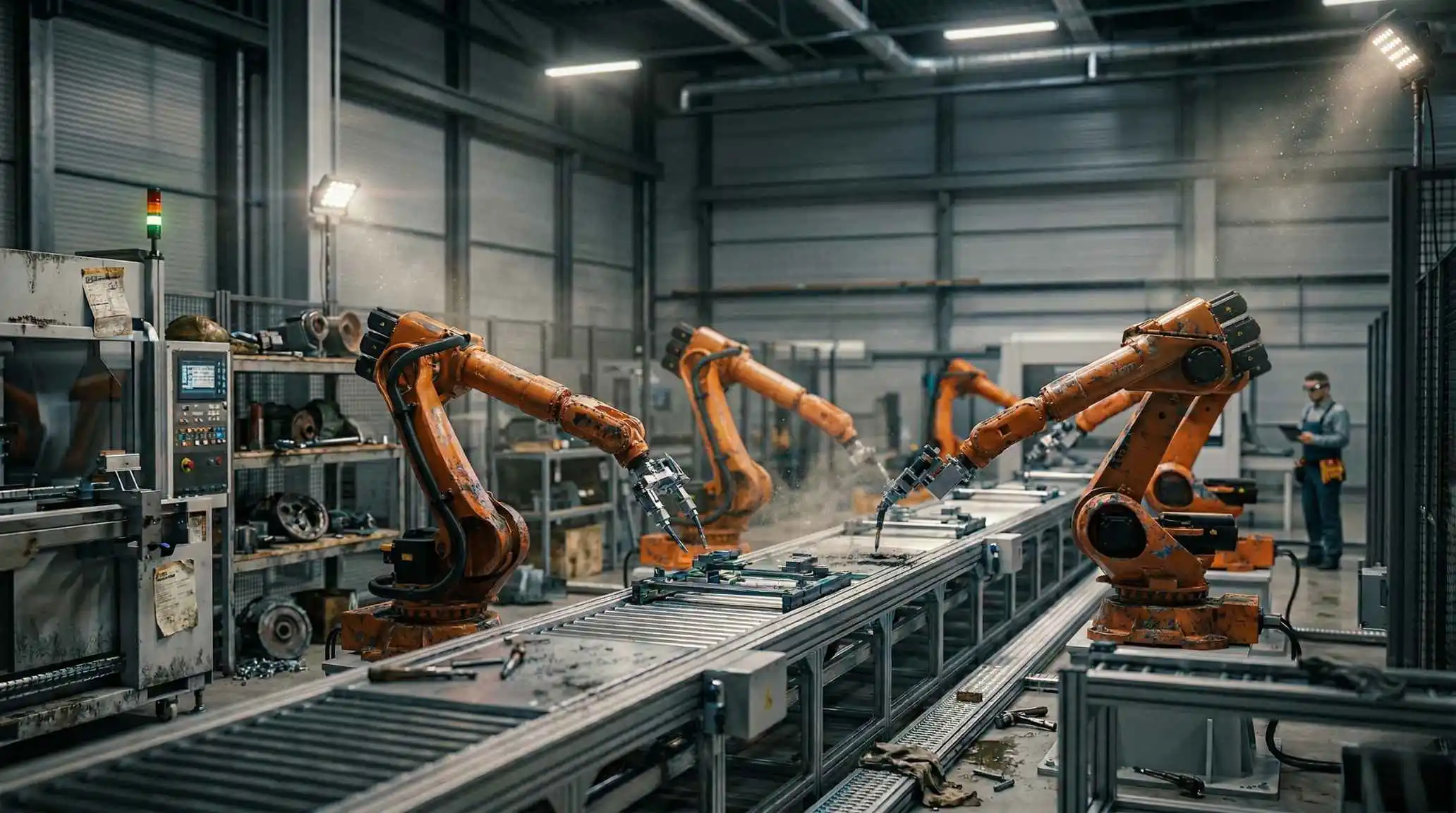
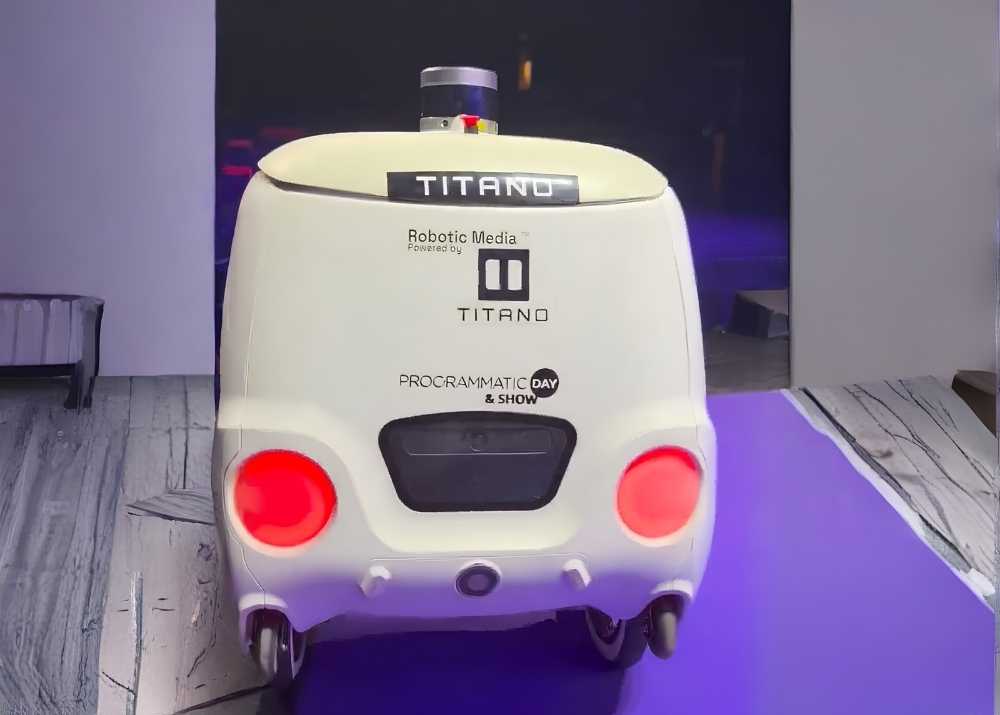
The Convergence of Physical AI and Marketing: The Case of Media Robots

The evolution of contemporary marketing strategies is leading to a progressive blurring of the boundaries between digital space and the physica...
Ars-Bionica-entra-nelle-Novia-Venture-Studio

From research to enterprise: Ars Bionica joins e-Novia’s Venture Studio

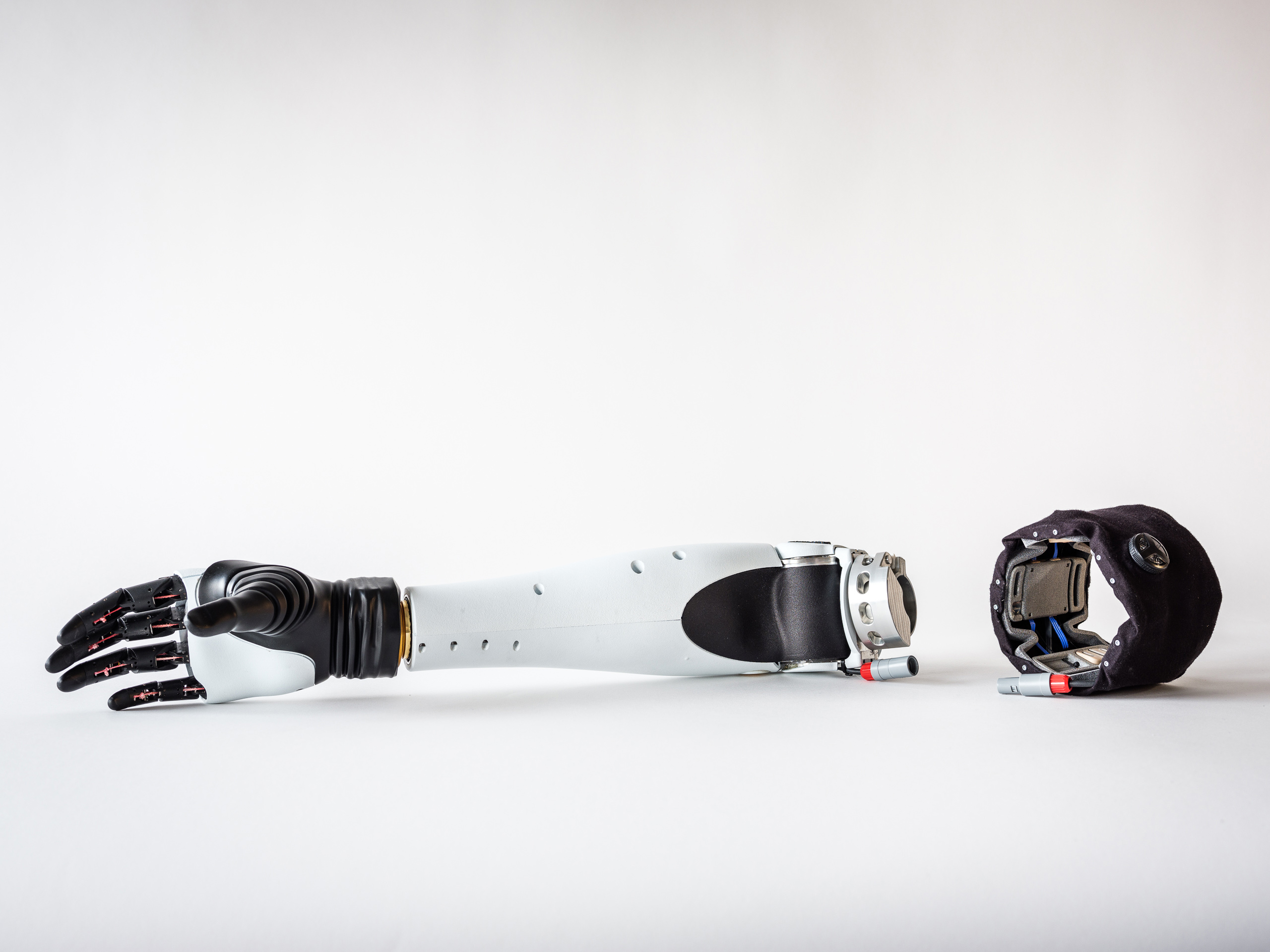
Ars Bionica joins the e-Novia ecosystem, marking a new step in the journey from scientific research to industrial venture creation. The comp...
joshua-sortino-LqKhnDzSF-8-unsplash-scaled

The 5 Technology Innovation Trends Shaping Italy in 2026

From AI-powered products to intelligent infrastructure Every year, international research firms publish forecasts on the technologies ex...
Sistema di manutenzione predittiva con sensori industriali e analisi dei dati

How to Implement Predictive Maintenance in Industrial Assets

In today’s industrial environment, maintenance can no longer be treated as a function separate from asset management. It directly affects produ...
Fabbrica 5.0: Physical AI per qualità, manutenzione ed energia

AI Governance in Companies: Why It Has Become a Leadership Imperative

Artificial intelligence has moved quickly from experimentation to practical deployment. Over the past few years, companies across industries ha...