Process innovation: how to transform industrial production in 2026
For decision-makers and plant managers, process innovation represents the fundamental strategic asset to ensure the long-term competitiveness a...

For many industrial companies, servitization is becoming a positioning choice before it is a commercial model. It is not simply about attaching services to a product; it is about redefining where value is created and how it becomes repeatable over time: from one-off transactions to ongoing relationships, from individual features to end-to-end experiences, from promised performance to measured performance.
This shift matters most in sectors where hardware is increasingly subject to price pressure and comparability, while differentiation moves toward the ability to deliver continuity, safety, performance, and upgradability across the lifecycle.
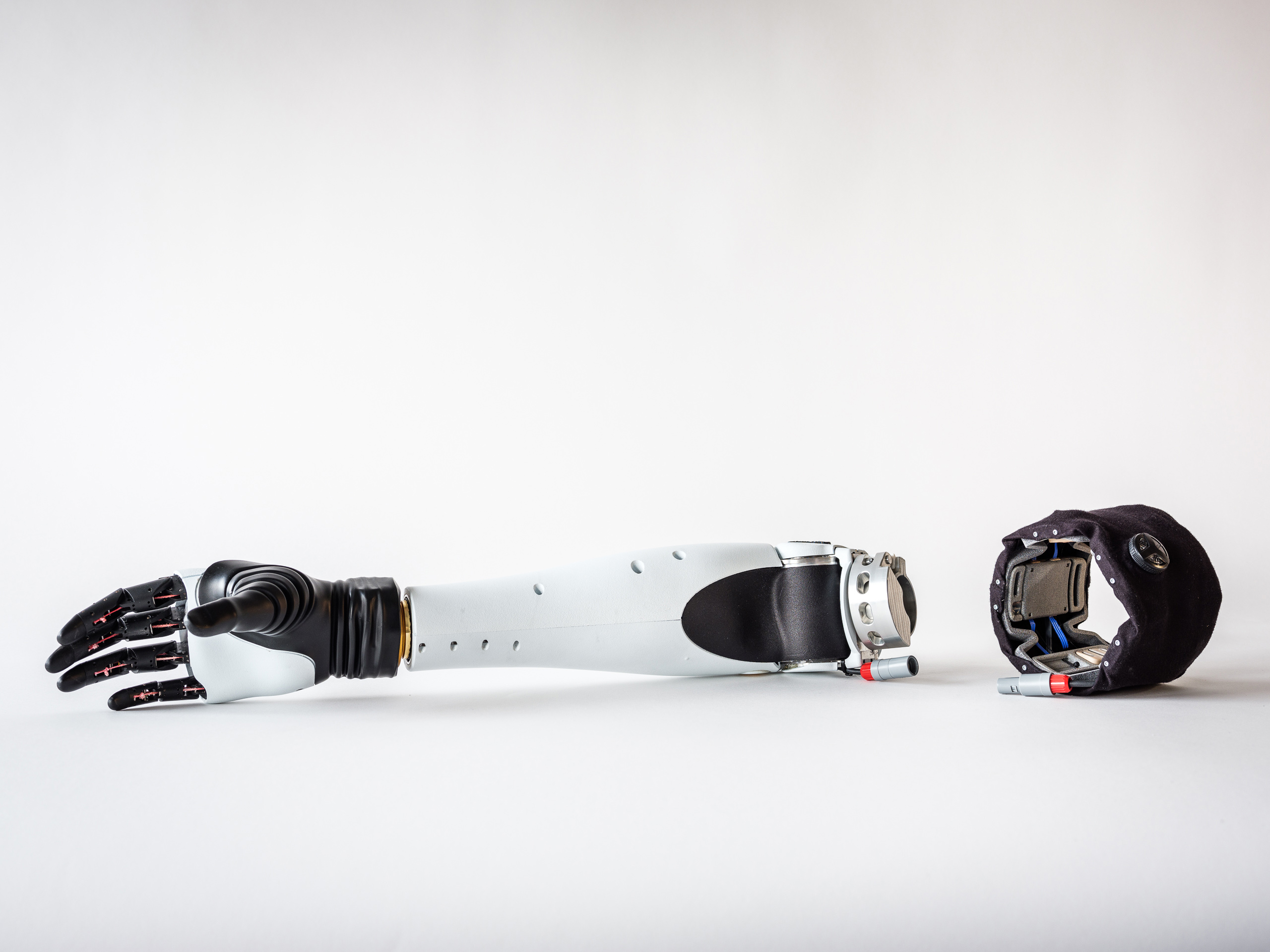
In that context, Physical AI, the convergence of artificial intelligence, mechatronics, and advanced robotics, enters naturally as an enabling factor rather than a label.
When intelligence is “physical,” it does not only interpret data after the fact: it integrates real signals (sensors), usage constraints (context), and operational rules (decisions and actions) within a system that must perform reliably under variable conditions. This ability to translate data into system behavior makes a servitization trajectory more credible, because the service is not just information, it becomes continuous, practical support for decision-making, safety, and performance.
Servitization stops being an experiment and becomes a structural growth driver only when three conditions converge. The first is economic: margin pressure makes growth driven purely by volumes and replacement cycles less sustainable. The second is operational: customers and operators seek to reduce complexity and variability, shifting responsibility toward those who know the asset best and can keep it in optimal conditions. The third is technological: increasingly connected and updatable products make it possible to build services that improve over time rather than peak at purchase.
The outcome is a meaningful redefinition of value creation metrics. Strategic focus shifts from supplying a physical good to guaranteeing a measurable, continuous capability. Servitization consolidates when the offer evolves into a system architecture: hardware, software layers, data governance, operations, and the business model must be orchestrated by design. That is where innovation stops being a prototype and becomes a scalable asset.
Tesla’s evolution provides a clear lens on a pivotal strategic shift: moving beyond the identity of an automotive company to position as a distributed robotics platform, through autonomous taxi fleets and, potentially, humanoid robots. When a company takes this path, the objective is not “technology for technology’s sake,” but engineering recurring value streams that are less dependent on selling a single asset.
Within that architecture, autonomous driving software becomes a core servitization engine: no longer a feature sold once, but a capability that can be activated, updated, and expanded over time—continuously broadening the value perimeter (features, service levels, performance). If the robotaxi trajectory consolidates, monetization naturally shifts toward usage-linked models and service participation, reducing reliance on the vehicle’s industrial margin.

If Optimus, Tesla’s anticipated humanoid, reaches consumer or prosumer markets, the logic is likely to be similar. The robot would not be treated as a standalone product, but as a platform of progressive capabilities, with servitization acting as the economic infrastructure needed to sustain the investment.
For industrial players, the strategic point is straightforward: servitization and Physical AI, when integrated, are not a marketing narrative. They are one of the most rigorous paths to turn complex technology into an industrializable system and a monetizable service—built on scalability, reliability, and continuity.
A practical illustration of how intelligence applied to the real world enables servitization is TrackTribe, the first native digital ecosystem of Brembo Performance, developed with the support of e-Novia and e-Shock. The foundational insight is simple but strategic: for riders on track, access to telemetry data is not enough. Data exists, but it is often difficult to translate into practical actions to improve technique and safety. Add to that the role of community—measuring and benchmarking against other riders is part of the experience itself.

TrackTribe addresses this by integrating physical and digital components into a coherent system. A dedicated app interfaces with an on-bike device equipped with advanced sensing (inertial platform, GPS, and a remote pressure sensor). One design choice is particularly significant: the activation logic is context-bound. Through geolocation, the system enables itself only on track and disables itself on public roads. Here, technology is not an accessory; it is a usage rule embedded into the system, ensuring the experience remains aligned with Brembo’s commitment to responsible riding.
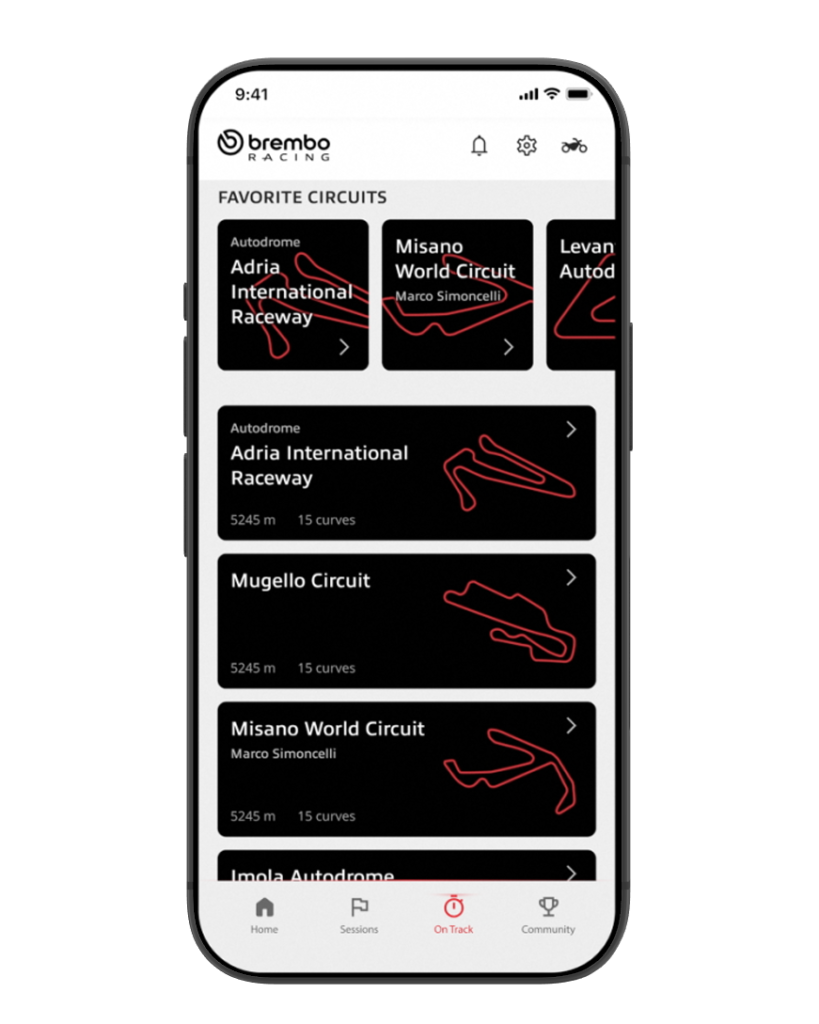
From a servitization standpoint, TrackTribe demonstrates a key transition: the market offer is not “a hardware kit,” but a platform for measurement and continuous improvement. By connecting data acquisition, usage context, and community interaction, a physical product becomes a scalable experience that can support skill growth over time.
Read more (Brembo TrackTribe – the digital system by Brembo):
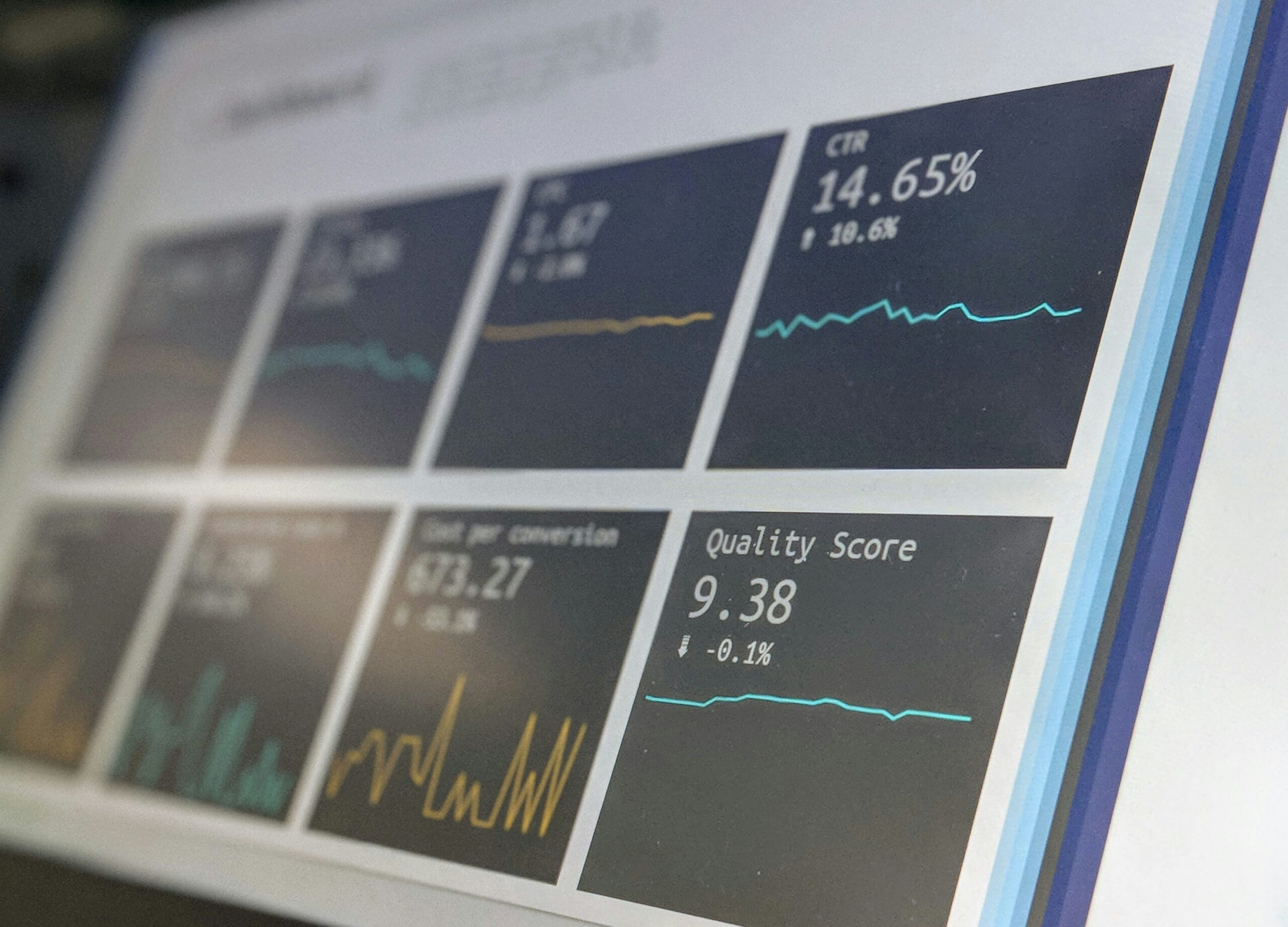
The monetization conversation around servitized models is often distorted by a recurring misconception: reducing it to a tactical choice between subscription and pay-per-use. For an industrial company, the real conceptual shift is not changing the price list; it is recognizing that servitization entails a radical reallocation of risk. Moving from product sale to service delivery means no longer pushing inefficiency risk onto the customer; it means absorbing it by committing to a defined outcome (e.g., zero downtime, maximum energy yield, safety compliance).
In this context, Physical AI becomes more than a technological enabler, it increasingly functions as a financial risk control layer for the business model. If a company contractually commits to results, the only way to keep cost-to-serve profitable is to embed “physical” intelligence on the asset: intelligence that does not merely surface alerts in dashboards after the fact, but integrates operational rules at the edge to correct anomalies, adapt to context, and prevent failures in near real time. In short, Physical AI protects margins because it systematizes risk mitigation.
When this architecture matures, monetization shifts from commercial bet to dynamic value capture. The company is no longer charging for access or time alone, but for the density and criticality of autonomous decisions the system can reliably execute: critical events avoided, real-time optimization achieved, and fleet-level learning compounded over time. The economic center of gravity moves away from hardware monetization toward monetizing process continuity and operational reliability.
1) Design the service as a system, not an add-on.
This means defining the adoption journey, usage moments, value KPIs, and boundaries of responsibility. Servitization fails when it remains a peripheral layer; it works when it becomes part of the product roadmap and operating model.
2) Decide where intelligence “lives.”
In some contexts, computation must be close to the event (latency, safety, continuity). In others, fleet logic is more effective (benchmarking, improvement loops, governance). Servitization quality often depends on how intentionally this split is designed.
3) Align technology, operations, and commercial execution.
Recurring revenues require recurring delivery: support, updates, version management, processes, and accountability. This is where execution capability matters, turning a technology vision into an industrializable, sustainable, and sellable system.
Servitization requires more than vision; it requires execution capability that integrates technical architecture, industrial process, and economic sustainability. At e-Novia we operate as a bridge between academia and industry to accelerate the translation of innovation into market-ready systems and reduce development risk.
We identify high-potential opportunities, validate requirements and constraints, and lead end-to-end delivery, from concept definition through industrialization and scale manufacturing. Our experience in designing AI-powered physical solutions, combined with an academic-industrial network, enables companies to turn emerging technologies into replicable systems ready for market adoption.